When the Drop Hits Different: DJ_Dave, Mad Decent, and the Stack Behind the Show
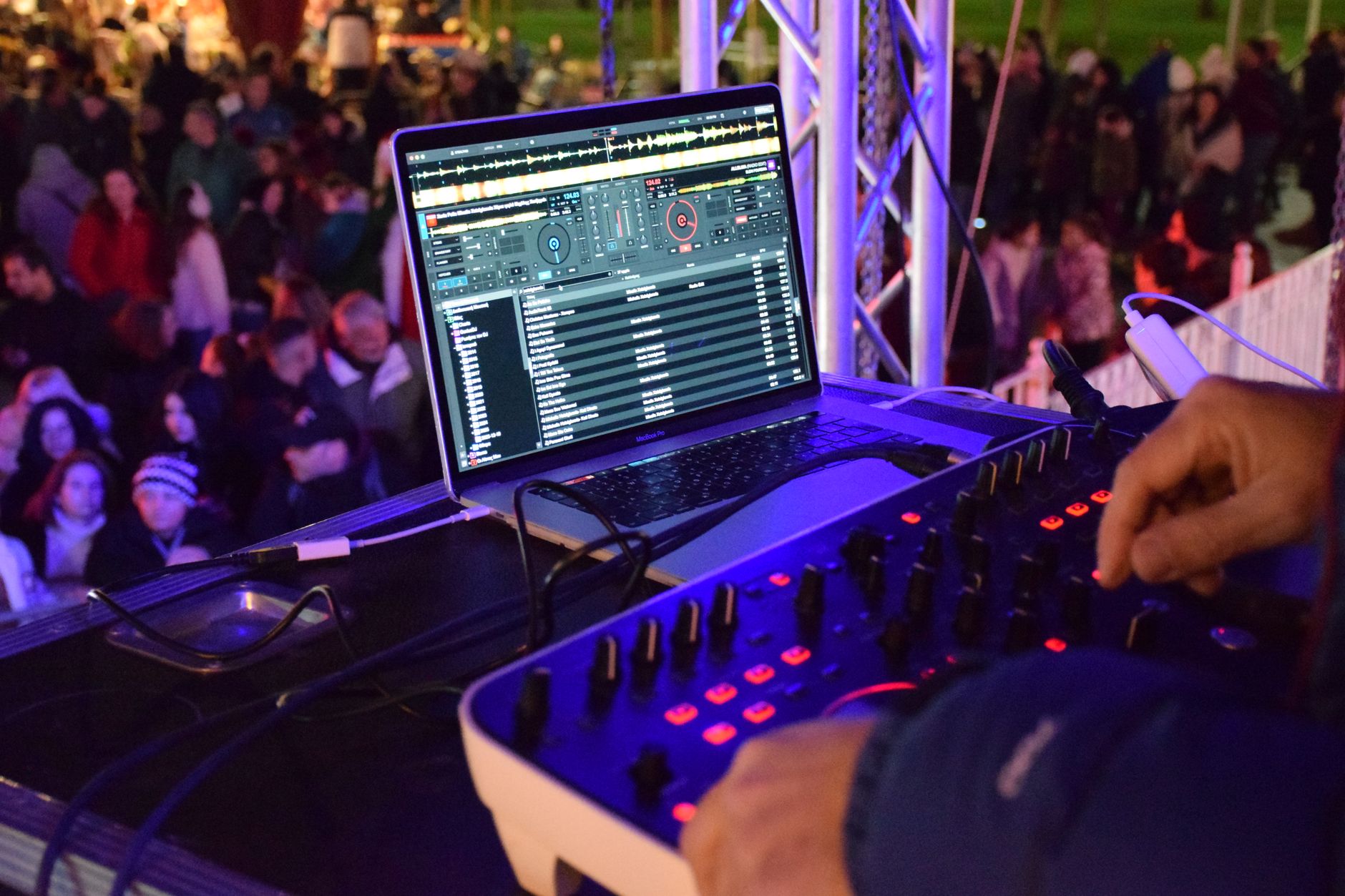
Most people hear a track. Engineers hear the signal chain. DJ_Dave’s upcoming headline tour, timed to the Hardcore Software release on Mad Decent, isn’t just a victory lap for a genre-bending EP — it’s a case study in how modern electronic artists move from bedroom render to venue-grade reality without losing the plot.
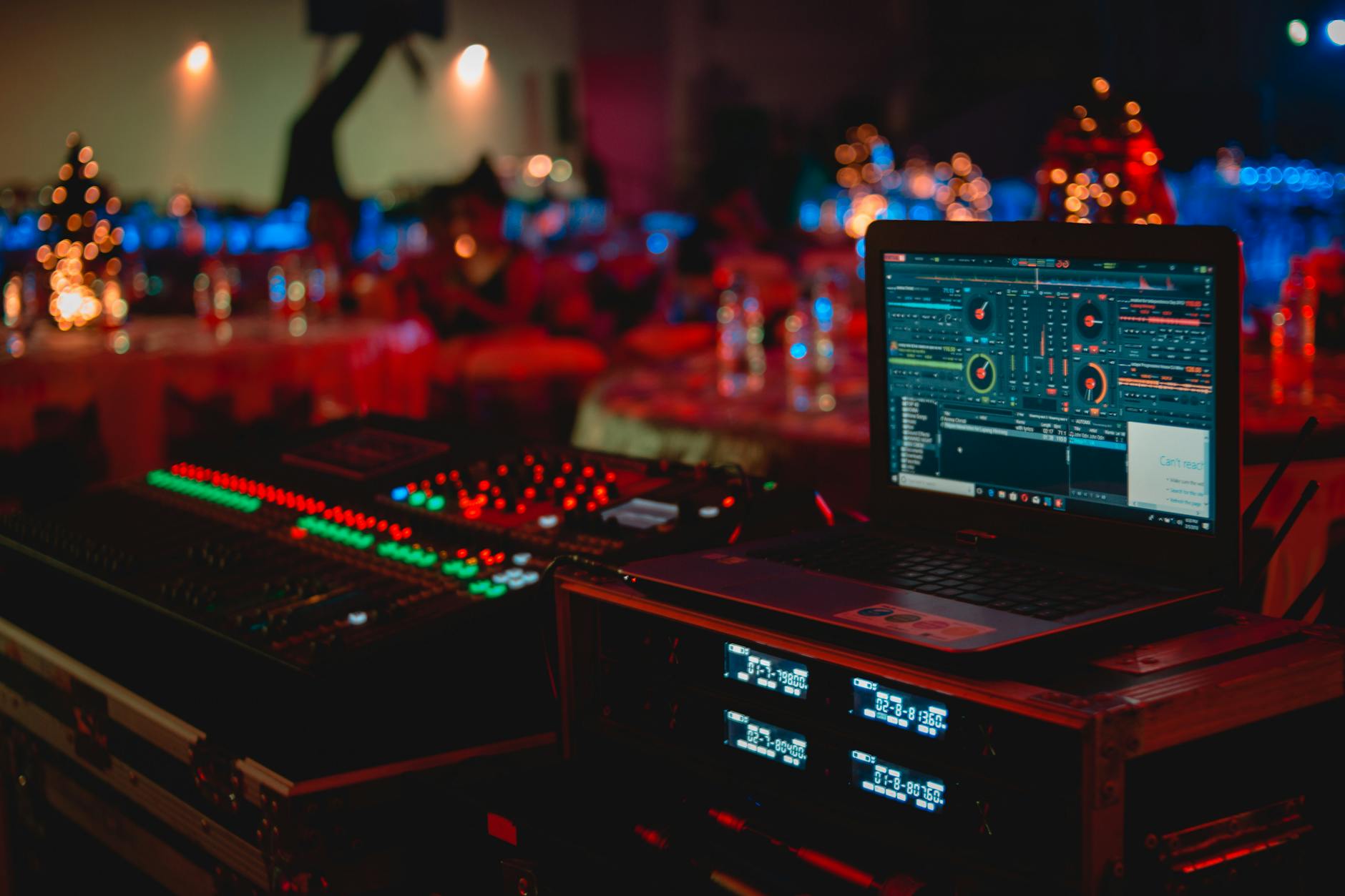
The Release Is the Easy Part
Pressing “upload” on DistroKid or TuneCore takes thirty seconds. Making the master survive a Funktion-One rig at 2 AM in Bristol takes discipline. Hardcore Software arrives on Mad Decent, a label that’s quietly built a catalog where breakbeat heritage meets club-ready low end. The press cycle will talk influences — jungle, footwork, early Warp records — but the real story lives in the session files: gain staging that leaves 3 dB headroom for the venue limiter, sidechain compression that keeps the kick punchy after the promoter’s “house EQ” pass, and stems exported at 48 kHz/24-bit because the touring laptop still runs an older interface.
Dave’s not precious about gear. He’s precious about translation. That’s the difference between a producer who plays out and a DJ who produces.
Tour Logistics Are a Data Problem
First headline run means first rider negotiation, first advance sheets, first “can we get a monitor mix on aux 3” email chain. The stack that solves it isn’t sexy: a shared Notion workspace for tech riders, a Google Sheet that cross-references venue capacity with expected SPL, a Telegram group where the lighting op drops cue sheets as voice notes. But it works because someone — probably Dave, probably 3 AM — built the template once and refuses to reinvent it per city.
- Stage plot: one controller, one laptop, two DI boxes, zero analog outboard.
- Monitor ask: stereo in-ears, pre-fader split, no wedge.
- Power: true sine-wave UPS for the playback machine; venue distro is for lights.
That level of specificity doesn’t come from hope. It comes from the gig where the promoter’s generator dipped 15 Hz and the set crashed. You only learn that lesson once.
Software as Instrument, Not Crutch
The EP title is a wink — Hardcore Software — but the production notes tell the truth. Track three’s break section was sliced in Reaper using a custom Lua script that re-triggers slices at probabilistic intervals. Track five’s bass is a single Serum instance modulated by an MPE-enabled controller that Dave mapped himself. No preset packs. No sample packs marketed as “jungle essentials.” The sound is homemade because the tools were homemade first.
That’s the quiet shift in the scene. Ten years ago you bought the pack. Now you write the script. The artists who last are the ones who treat the DAW as a development environment.
What the Crowd Actually Hears
Friday night in Leeds. The room hits capacity at 12:40. Dave drops the second track — the one with the reversed amen break that resolves into a half-time stomper — and the floor moves as a single organism. Nobody cares about the Lua script. Nobody cares about the gain staging. They care that the drop feels like a piston hitting bottom dead center.
That’s the contract. The tech earns its keep by disappearing. Mad Decent knows it. Dave knows it. The next city on the routing sheet — Glasgow, then Amsterdam — will get the same translation because the template held.
Watch the tour. Listen to the EP. But if you build tools, read the credits. The real release notes are in the session logic.
Source: original report