SoftBank’s Robotics Bet on Gravis Shows Where the Smart Money Sees Physical AI Going
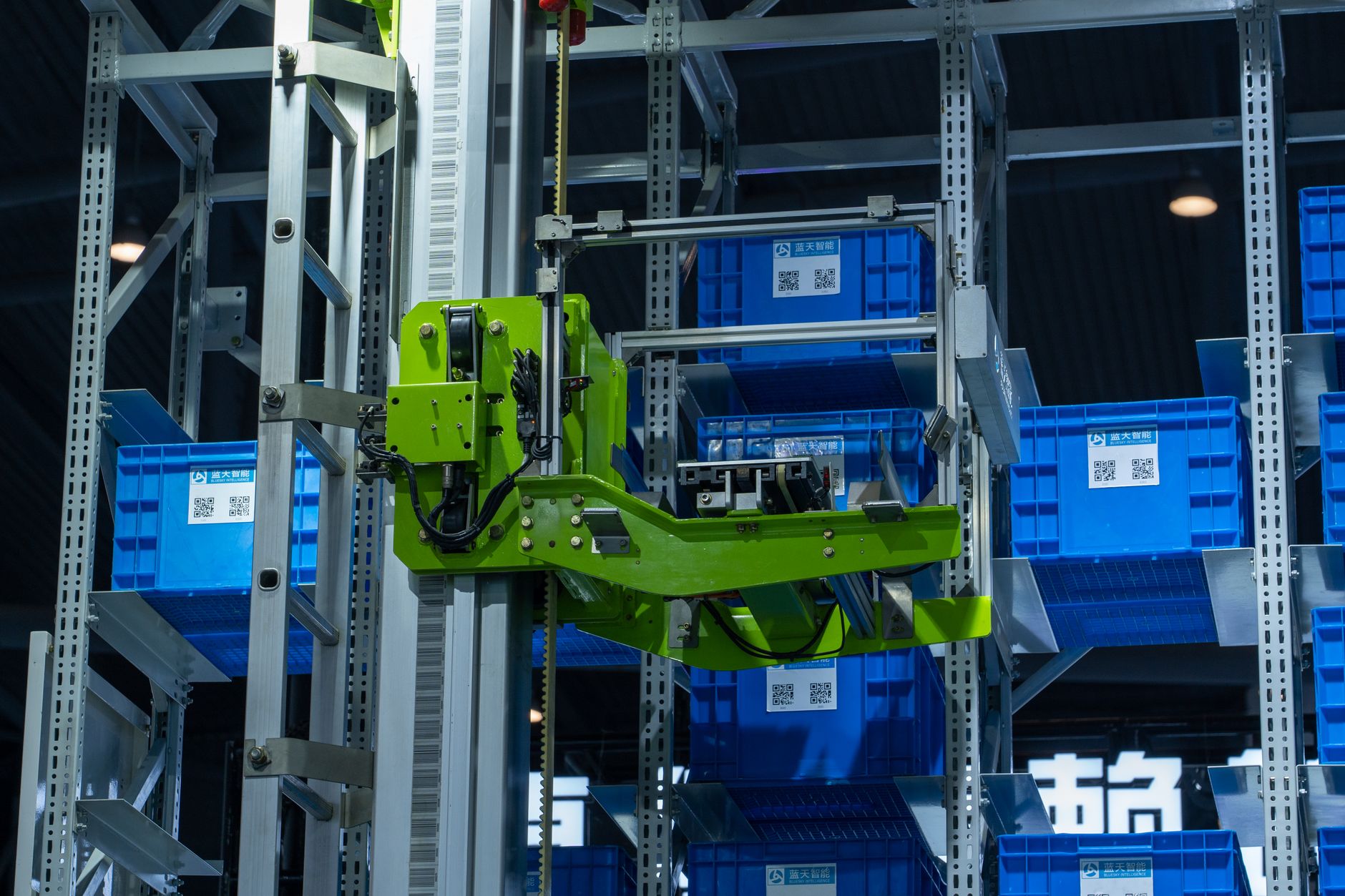
SoftBank’s Vision Fund is reportedly circling Gravis Robotics, a startup building autonomous mobile manipulators for warehouse and factory floors. The deal isn’t closed, but the signal is clear: the biggest check-writer in tech still believes the next trillion-dollar wave lives where software meets steel.

Why Gravis, Why Now
Gravis doesn’t make humanoid robots that backflip across YouTube. It builds squat, wheeled platforms with articulated arms that can pick, pack, and palletize without a safety cage. That’s the unsexy layer of automation — the middle mile between conveyor belts and human hands — where labor shortages bite hardest. Amazon, Walmart, and every third-party logistics operator in the Inland Empire are begging for this exact capability.
SoftBank knows the terrain. They backed Boston Dynamics before Hyundai bought it. They’ve watched Agility Robotics and Berkshire Grey struggle to scale. Gravis’s pitch: fleet-ready hardware, simulation-trained policies, and a deployment model that looks more like SaaS than capital expenditure. If the numbers hold, a single robot pays for itself in under 14 months at current temp-agency rates.
The Vision Fund’s Shifting Logic
Masayoshi Son’s fund used to spray cash at anything with a .ai domain and a TAM slide. That era ended when WeWork and Greensill collapsed in the same quarter. The new filter: hard tech, defensible moats, and unit economics that survive a down round. Robotics checks all three boxes — if you pick the right form factor.
Humanoids are a science project. Mobile manipulators are a product. Gravis chose the latter. Their robots don’t walk; they drive. They don’t reason; they execute policies trained on millions of simulated picks. The compute budget stays in the cloud, the hardware stays simple, and the failure modes stay observable. That’s the kind of discipline SoftBank’s current partners actually respect.
What This Means for the Rest of the Stack
A Vision Fund term sheet at $500M+ post-money drags the whole category forward. Competitors — Pickle, RightHand, the stealthy spinouts from Nvidia’s Isaac lab — suddenly have a valuation anchor. LPs who’ve been sitting on robotics allocations get cover to deploy. And the talent market tightens: every controls engineer with ROS 2 and Isaac Sim experience just got a 30% raise.
But the downstream effects matter more. Warehouse management systems (WMS) vendors like Manhattan Associates and Blue Yonder now have a credible automation partner to integrate with, not a slide deck. Conveyor OEMs — Hytrol, Dematic, Swisslog — can quote end-to-end cells instead of manual stations. The integration layer, long the graveyard of robotics pilots, finally gets a standard counterparty.
The Real Risk Isn’t Technical
Gravis’s robots work. The demos are real, the cycle times are documented, the safety certifications are filed. The risk is deployment throughput. Can they ship, install, and commission 500 units in 2025 without each site turning into a six-month professional services engagement? That’s where Boston Dynamics stumbled — not the backflips, the onboarding.
SoftBank’s operational partners (they have a few dozen portfolio companies running actual warehouses) could solve this. If Gravis gets preferential access to SoftBank Logistics’ facilities for reference deployments, the learning curve compresses. If not, they’re just another robot company with a great demo and a services backlog.
Watch the Next Two Quarters
The term sheet leaks, the due diligence completes, the money wires — or it doesn’t. But the signal has already landed. Physical AI funding is consolidating around form factors that earn their keep in existing buildings, with existing workforces, under existing safety codes. Gravis sits squarely in that intersection. Whether SoftBank signs or walks, the category just got its clearest validation since Amazon bought Kiva.
Smart founders in the space aren’t chasing humanoid grants anymore. They’re studying Gravis’s fleet management API, their simulation-to-real transfer pipeline, and their service contract structure. That’s where the next generation of robotics companies will be built — not in the lab, but in the loading dock.
Source: original report