Meta’s New Brain-Reading AI Isn’t Magic — It’s a Window Into a Complicated Future
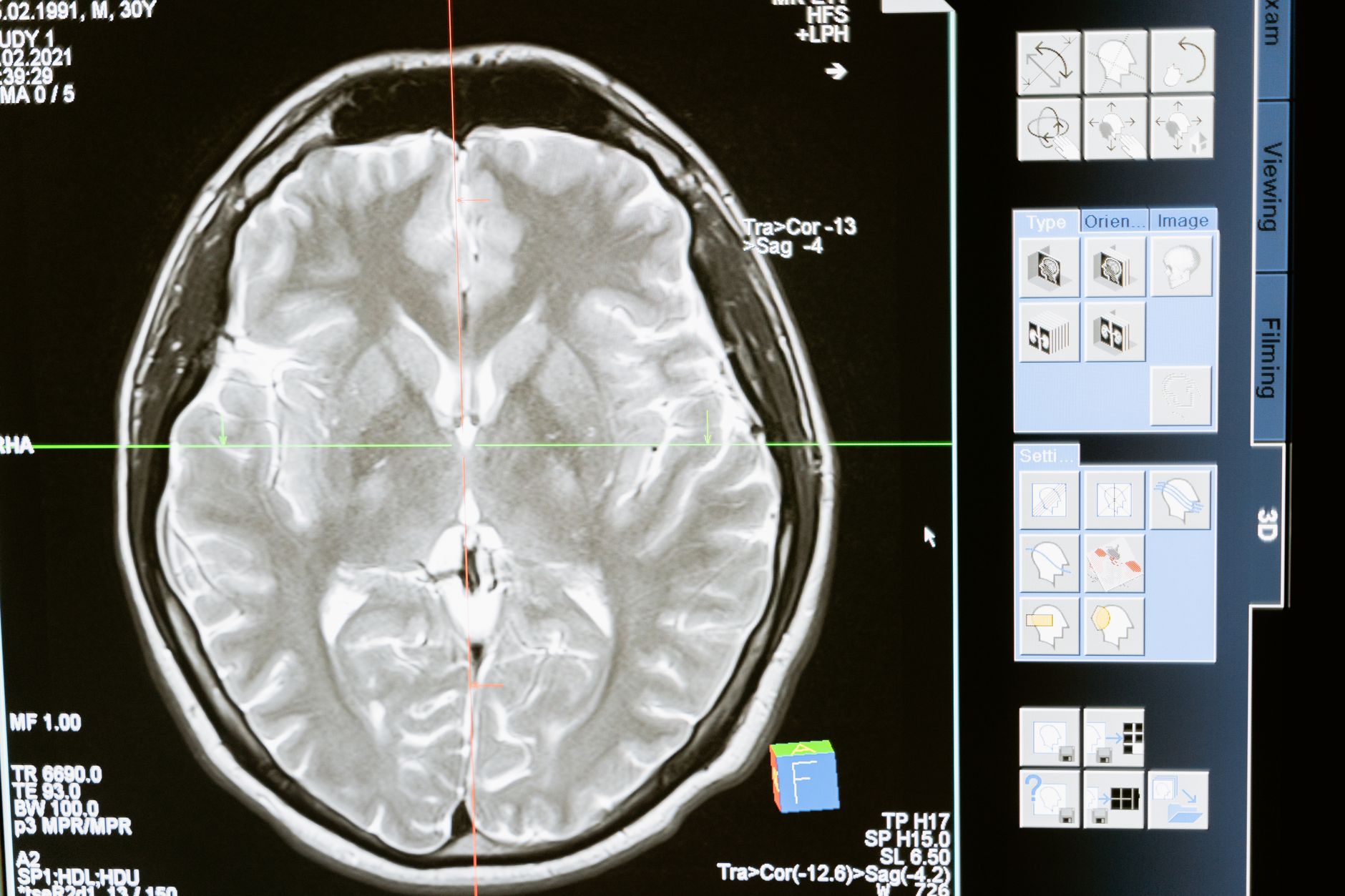
Meta just dropped a new paper on Brain2Qwerty v2, and the headlines are predictable: it reads your mind! It converts brain activity into text on a screen! While the technology is genuinely impressive, focusing only on the “wow” factor misses the far more interesting and complicated story here. This isn’t a sci-fi mind-reading device. It’s a specialized, lab-bound system that reveals as much about the limitations of current brain-computer interfaces as it does about their potential.
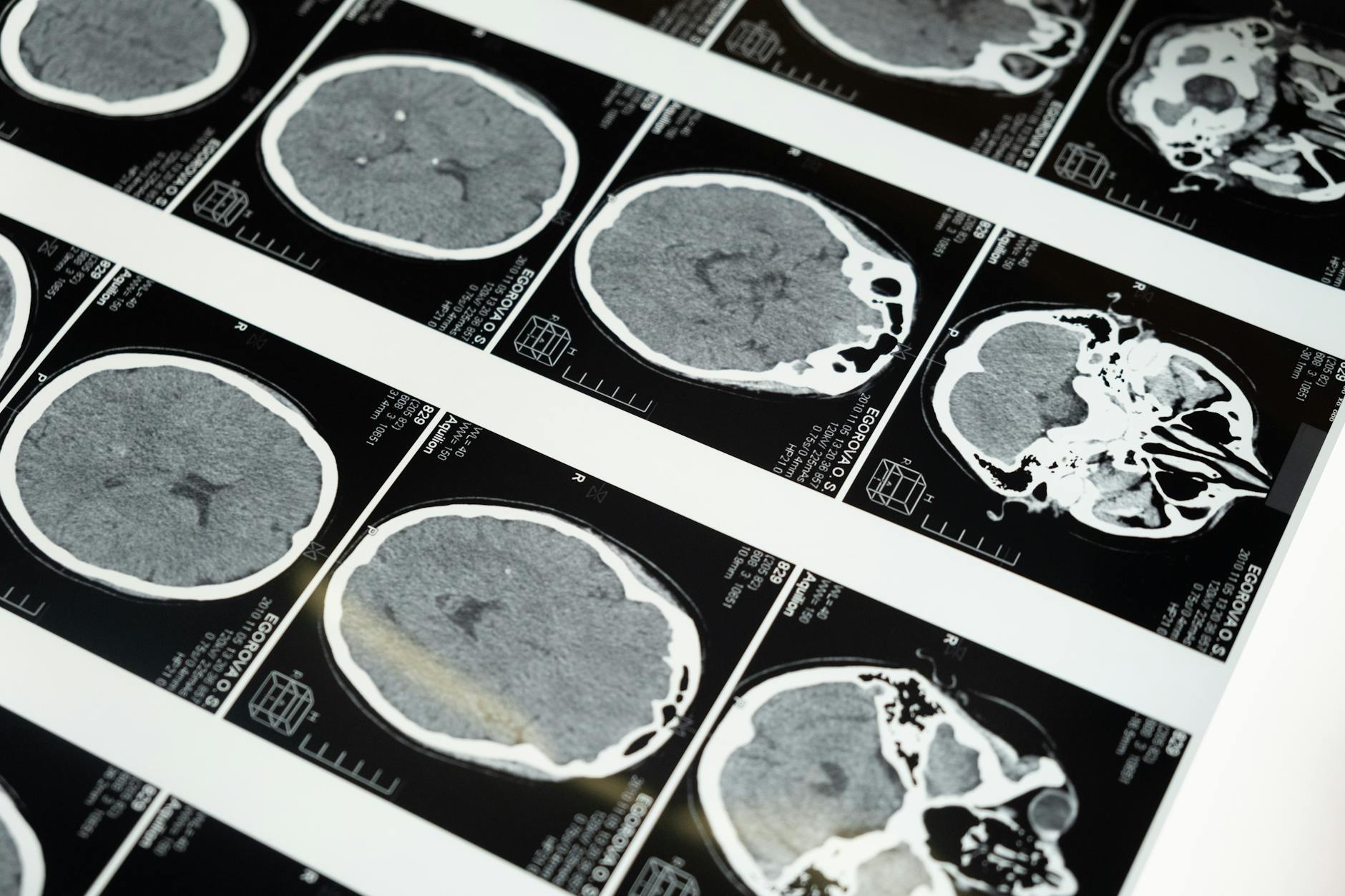
Let’s be clear about what Brain2Qwerty v2 actually is. It’s a non-invasive system that uses magnetoencephalography (MEG) to capture the faint magnetic fields generated by neuronal activity. Then, a sophisticated AI model decodes that data to predict which characters a person is intending to type. The “v2” iteration improves on the first version by using a transformer architecture, which is better at understanding sequences and context, boosting its typing accuracy significantly.
The Impressive Feat (Within Its Four Walls)
Within the controlled environment of a research lab, the results are a meaningful step forward. Subjects sit in a MEG scanner—a massive, sensitive, and extremely expensive helmet of sensors—and simply imagine typing sentences. The system, after calibration, can reconstruct those sentences with decent accuracy. This demonstrates a direct, learnable link between complex cognitive intentions and measurable magnetic signatures in the brain.
The real achievement isn’t “reading minds,” but rather successfully mapping a specific, structured motor intention (typing on a mental keyboard) to a neural output pattern using deep learning. The transformer model is key here, as it can correlate patterns over time, much like it does with words in a sentence, but now with brain signals. This is fundamental research that advances our understanding of neural decoding.
The Gulf Between Lab Demo and Everyday Reality
Here’s where the hype needs a reality check. MEG technology is the opposite of portable. Those scanners are room-sized, cost millions, require magnetic shielding to block out interference, and need cryogenic cooling. You can’t fit one in a smartphone or even a laptop. This technology exists in a realm completely separate from consumer BCIs.
Compare this to the invasive systems from companies like Neuralink, which implant electrodes directly into the brain. Those offer higher resolution signals but come with surgical risks. Non-invasive approaches like EEG are more portable but offer far noisier, less precise data. Brain2Qwerty v2 operates in a unique, high-fidelity niche that is scientifically valuable but commercially and practically distant.
The system also requires individual calibration. The AI needs to be trained on a specific person’s brain patterns before it can decode their intentions accurately. This isn’t a plug-and-play solution. It’s a highly personalized system, which further complicates any path toward widespread use.
Why This Research Still Matters
Dismissing it as a mere lab curiosity would be wrong. This work is a crucial building block. It proves that, given enough data and the right AI architecture, we can decode increasingly complex mental tasks. Each incremental improvement in accuracy and each new neural pattern we learn to interpret adds to a growing library of human neuroscience.
This research helps lay the groundwork for future assistive technologies. For individuals with severe paralysis or locked-in syndrome, any reliable method of communication derived from brain signals, no matter how controlled the initial environment, is a monumental step. The path from a lab-based MEG system to a practical, everyday assistive device is long, but each advance in decoding algorithms brings it a few steps closer.
Ultimately, Brain2Qwerty v2 is a mirror. It shows us the incredible complexity of the human brain and the sophistication of AI designed to interpret it. But it also starkly reflects the engineering, ethical, and practical mountains we have yet to climb before the idea of seamless, non-invasive thought-to-text becomes anything more than a fascinating research milestone. The future of BCIs will be built not on breakthrough demos, but on the slow, steady progress of solving these very real-world constraints.
Source: original report