Virtual Reality Training for Cops: A Smart Move or a Dangerous Simulation?
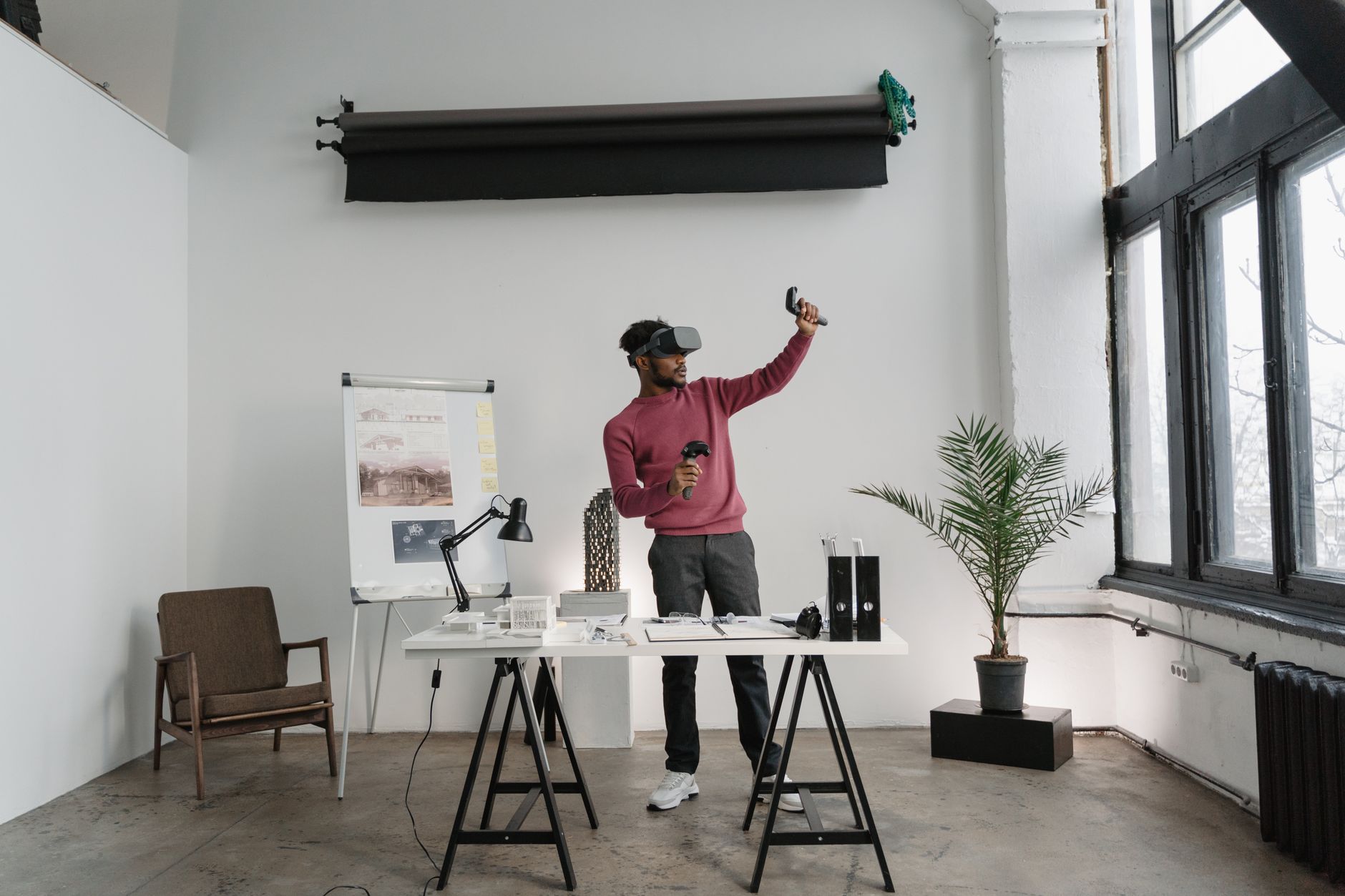
Picture this: a rookie police officer, headset on, suddenly facing a shouting man in a cluttered apartment. Is the man reaching for a weapon or a wallet? In a split second, the officer must decide. Now, imagine that entire scenario is a simulation, and the worst possible outcome is a prompt to reset and try again. That’s the promise behind William Paterson University’s new virtual reality training program for its criminal justice students. They’re one of the first in the nation to fold this tech into their curriculum. It sounds slick, efficient, and futuristic. But as we push more and more of our high-stakes human training into the digital realm, we have to ask the hard question: does this actually make for better officers, or does it create a dangerous illusion of preparedness?

The Case for the Digital Firing Range
Let’s be clear about what VR training offers. Traditional role-playing exercises are expensive, logistically nightmarish, and bound by the creativity of the scenario writer. You can only reenact what you can set up with actors and props in a classroom. VR blows the doors off those limitations. Students can experience hundreds of scenarios—from routine traffic stops to active shooter situations, from dealing with a person in mental crisis to navigating a domestic dispute—with perfect consistency and zero physical risk.
The psychological benefit is also significant. It allows for deliberate practice on de-escalation techniques in a controlled environment. A student can fail, reflect, and immediately attempt a different verbal strategy without real-world consequences. Think of it as a flight simulator for policing. No one would argue that pilots shouldn’t practice emergency landings in a simulator before doing them with 200 passengers onboard. Proponents argue this is the same principle: build cognitive muscle memory for high-pressure decision-making before it counts.
The Uncanny Valley of Policing
Here’s where the critique sharpens. A flight simulator perfectly replicates the physics of an airplane. The laws of aerodynamics don’t change. Human behavior, however, is wildly unpredictable and deeply contextual. A VR environment, no matter how sophisticated, is still a curated set of responses based on algorithms. It can’t truly replicate the smell of alcohol on someone’s breath, the subtle tremor in a voice that signals genuine fear versus deception, or the complex cultural nuances of a community interaction.
There’s a real risk of creating a “checklist mentality.” If the training modules reward a specific sequence of actions for every “type” of scenario, we might end up with officers who are great at running through a virtual playbook but freeze or misjudge when faced with the messy, ambiguous reality of human conflict. The simulation becomes a script, and the world is not a scripted play.
Beyond the Headset: What’s the Follow-Up?
The real measure of this initiative’s success won’t be the technology itself, but how it’s woven into the broader pedagogical framework. A VR module on mental health crises is only valuable if it’s paired with deep coursework on psychology, sociology, and community resources. The simulation should be a starting point for discussion, not the entire lesson.
- Debriefing is everything. The most critical learning happens after the headset comes off, in guided discussion about biases, emotional reactions, and alternative approaches.
- Emphasis on ethics, not just tactics. The training must constantly reinforce that the goal isn’t just to “win” the simulation, but to understand the profound ethical weight of every decision.
- Mixing reality with simulation. VR should complement, never replace, field training with experienced officers and meaningful community engagement.
William Paterson’s program has the potential to be a pioneer if it treats VR as one powerful tool in a much larger toolbox. The danger lies in viewing it as a silver bullet—a way to tech-ify a deeply human profession and call it progress. We’re training people to hold power over others’ lives. That requires more than processing power; it requires wisdom, empathy, and a humility that no code can simulate.
Source: original report