OpenAI’s Robot Hiring Spree: Is It Chasing Physical AI or Just Hype?
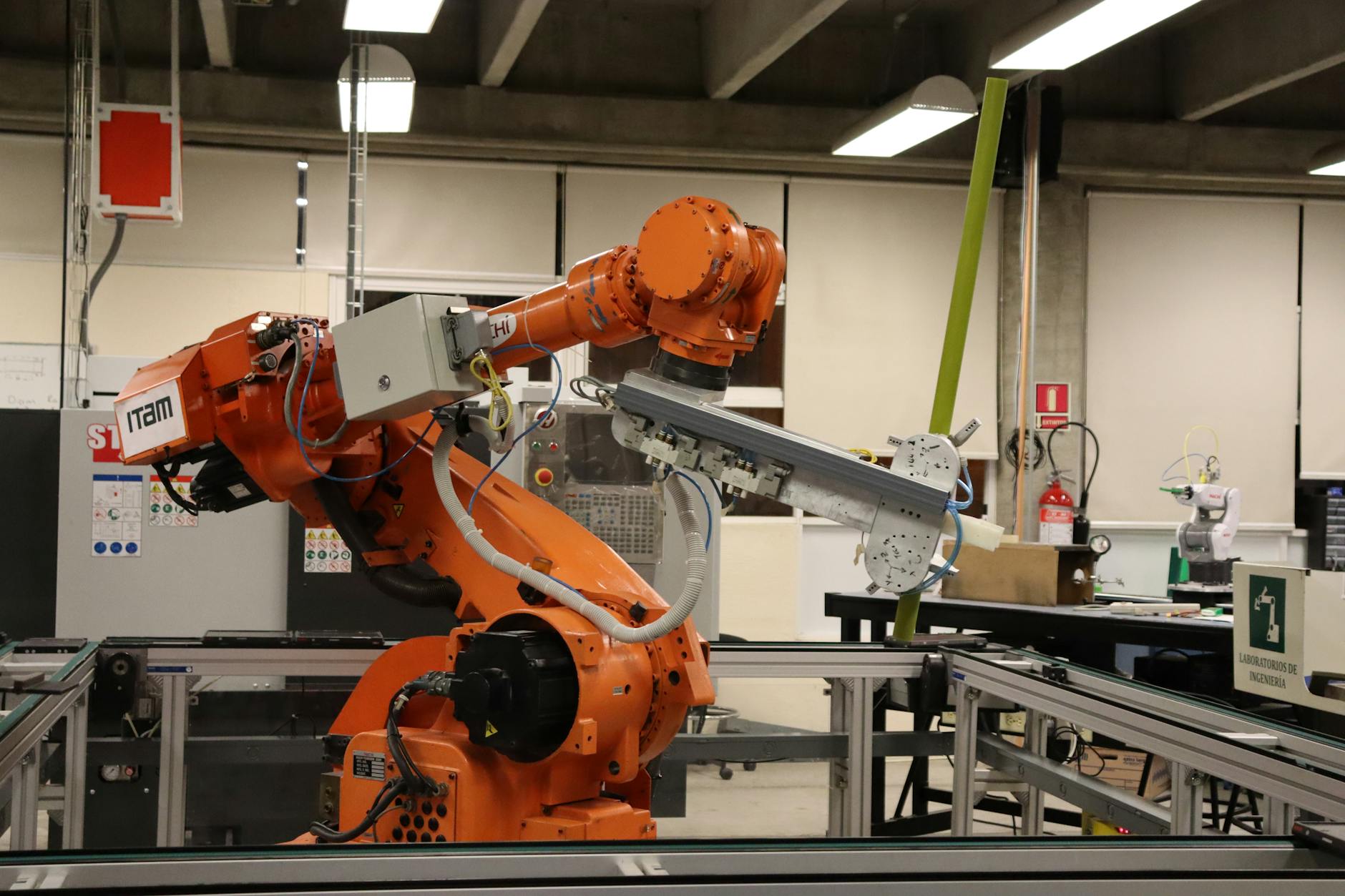
OpenAI is on a hiring spree for robotics talent, and it’s a move that feels both inevitable and deeply confusing. After spending years and billions making its models brilliant at generating text and images from a digital prompt, the company is now aggressively recruiting engineers to get its AI into the physical world. The ambition is clear: to build embodied AI that can see, understand, and interact with real objects. But the question lingers—is this a genuine strategic pivot or a high-profile distraction?
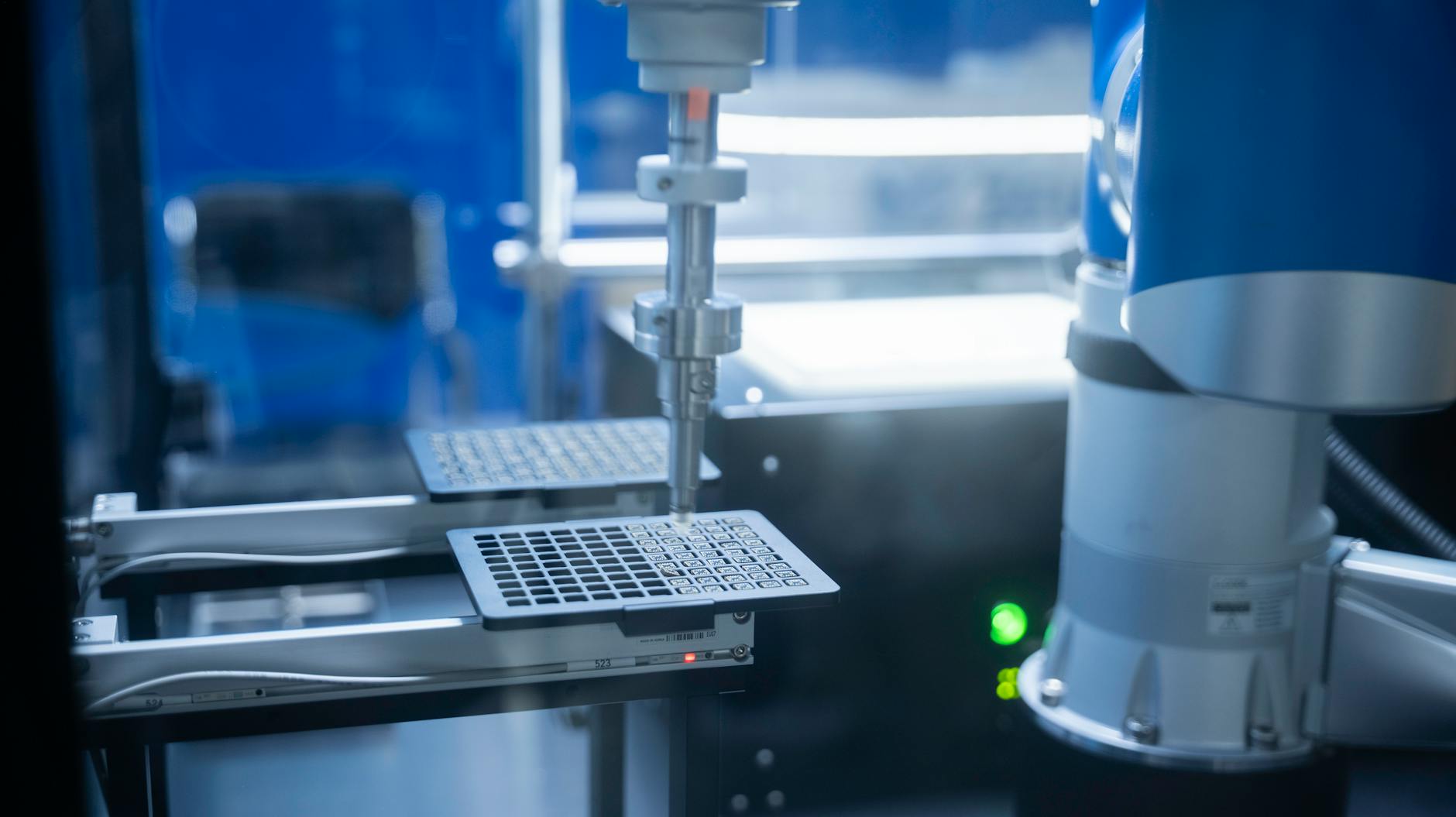
The signals are strong. OpenAI has posted roles for robotics research engineers, machine learning engineers for robotics, and even a head of robotics. These aren’t minor gigs; they’re foundational roles aimed at building a new division from the ground up. This isn’t the company’s first flirtation with robotics—they had a dedicated team years ago before disbanding it in 2020 to focus on its core language models. The fact they’re rebuilding now suggests a calculated return, not a random experiment.
The Allure of the Physical World
The logic is compelling. Language models, even the most advanced ones, are fundamentally text-in, text-out systems. They lack a direct, causal connection to reality. A model can describe a cup of coffee perfectly, but it doesn’t understand weight, temperature, or the friction of a table’s surface. To achieve something closer to general intelligence, many researchers believe AI needs a “body” to ground its knowledge in sensory experience. Robotics provides that testbed.
Consider the challenge of loading a dishwasher. It requires a symphony of skills: identifying different dishes, understanding their fragility, planning a sequence, and executing precise motor commands with force feedback. Solving this seemingly mundane task demands a level of physical reasoning and adaptability that current language models simply don’t possess. OpenAI’s bet is that the insights from training models on massive datasets can be fused with robotic perception and control to tackle these kinds of problems. It’s the ultimate integration challenge.
A Crowded and Costly Arena
But OpenAI is entering a field littered with the corpses of ambitious projects. Boston Dynamics built incredible machines but struggled to find a sustainable commercial model before being acquired. Amazon’s home robot, Astro, is a expensive gadget with a limited skill set. The hardware development cycle is brutally slow and expensive compared to software. A failed experiment doesn’t just cost compute; it costs months of engineering time, custom parts, and physical lab space.
The competition is fierce and specialized. Companies like Figure, 1X Technologies, and even Google’s DeepMind have years of head start in the specific, hard problems of robotic manipulation and navigation. OpenAI’s strength is its software and scaling prowess. Translating that into the physical realm requires a completely different kind of expertise—one in mechanics, materials science, and sensor fusion—that you can’t just hire away from a software team.
What Success Actually Looks Like
If OpenAI is serious, we shouldn’t expect a humanoid butler next year. The realistic first victories are more likely to be narrow and industrial. Think of robotic arms in warehouses that can learn new tasks from demonstration instead of being reprogrammed, or quality control systems that use vision models to spot defects with human-like nuance. Success here would be less about a flashy demo and more about solving a persistent, expensive problem in logistics or manufacturing.
The deeper play might be about creating a new, massive data flywheel. Robots deployed in the real world would generate an unprecedented torrent of sensory and interaction data. This data, in turn, could be used to train even more capable and general-purpose AI models, creating a feedback loop between the digital and physical. It’s a long-term, capital-intensive strategy, but one that could redefine the company’s future beyond chatbots.
Ultimately, OpenAI’s robot push is a high-stakes gamble. It’s betting that the future of AI isn’t just on a screen, but in the world around us. Whether this is the start of a true synthesis of intelligence or just another expensive detour depends entirely on whether they can crack problems that have stumped engineers for decades. The hiring spree is just the opening act.
Source: original report