Impulse Space Secures $500M. The Space Economy is Getting Its First True Billion-Dollar Bet.
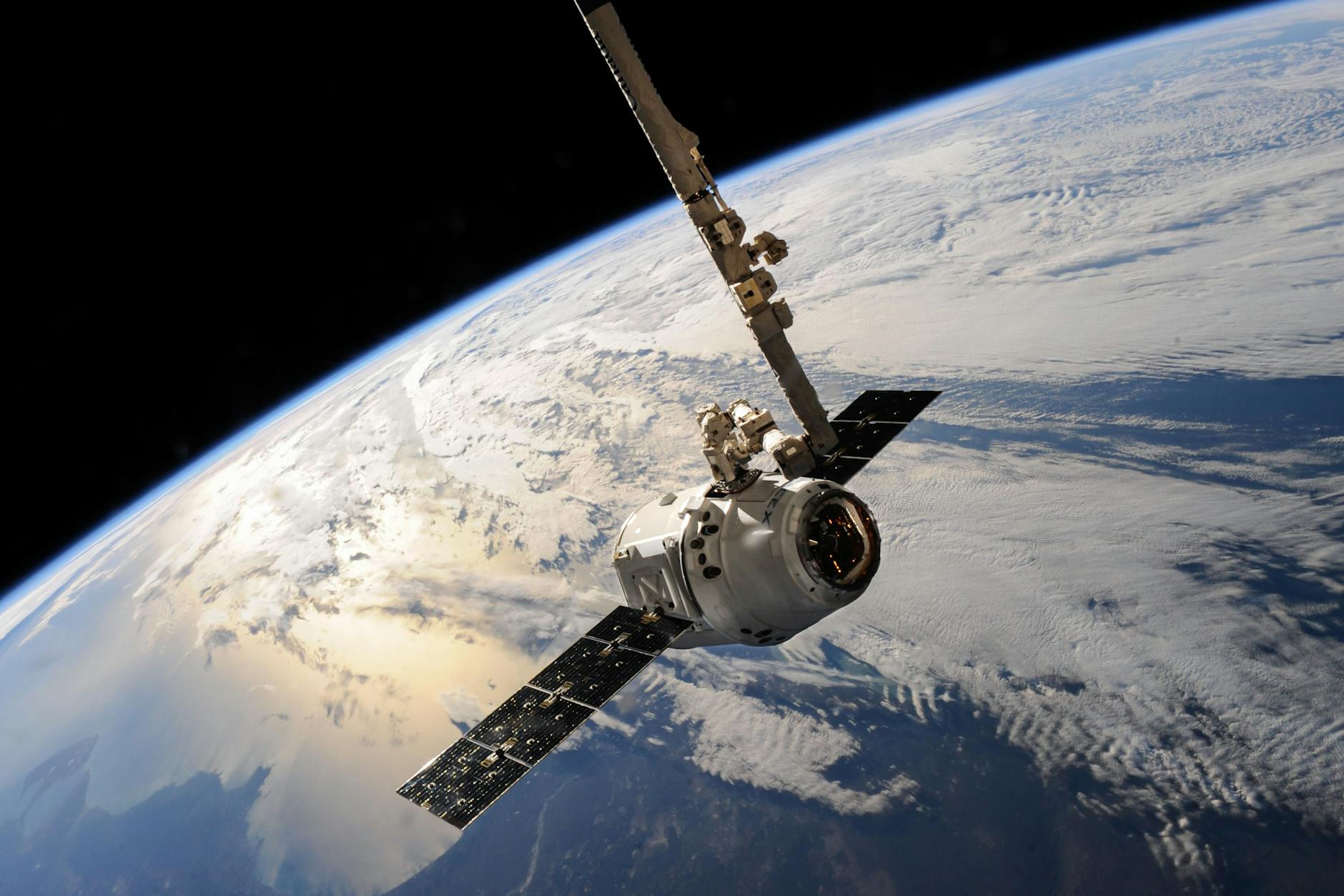
The private space race just entered a new phase. It’s no longer just about launching rockets or building satellites. It’s about doing things in space, once you get there. Impulse Space, a startup building in-space transportation and maneuvering vehicles, just closed a $500 million Series B funding round, valuing the company at $4 billion. This isn’t just another space startup getting a check; it’s a massive, explicit bet that the next frontier of space isn’t access, but infrastructure.

Founded by Tom Mueller, a propulsion legend who was SpaceX’s first employee and the mind behind the Merlin engine, Impulse Space is playing a different game. While companies like SpaceX focus on the cosmic elevator ride up, Impulse is building the delivery truck that drives around the cosmic warehouse once you’re there. Their first product, the Mira vehicle, is designed to take payloads delivered to a common orbit and precisely place them into their final, unique destinations. Think of it as the “last mile” solution for space.
The $4 Billion Question: What Problem is This Solving?
To understand the valuation, you have to understand the pain point. Today, launching a satellite on a Falcon 9 might get you to a general Sun-synchronous orbit, but not the exact slot your customer needs. To get there, you burn your own precious fuel. That fuel is your lifespan. Every drop used for maneuvering is a drop not used for station-keeping over a 15-year mission.
Impulse Space’s thesis is that a specialized, reusable “space tug” can do this more efficiently than every satellite fending for itself. Their vehicle would launch as a rideshare passenger, detach, and then ferry multiple satellites to their final homes. The economic argument is compelling: it could allow satellite manufacturers to build lighter, cheaper spacecraft by offloading the heavy propulsion systems, or it could dramatically extend the operational life of existing, expensive satellites.
This $500 million round, led by Founders Fund and with backing from industry veterans, signals that major investors believe this is a critical bottleneck. They aren’t just funding a company; they are funding the creation of a new layer in the space economy stack. If Impulse is right, they become the essential logistics provider for the thousands of satellites coming online for constellations, Earth observation, and communication.
More Than Just a Tow Truck: The Bigger Vision
While “space tug” is the simple analogy, the company’s ambitions are broader. The same in-space propulsion expertise applies to missions beyond Earth orbit. Tom Mueller has spoken openly about enabling missions to the Moon and Mars. Their vehicles could serve as the maneuvering and orbital insertion stages for deep-space probes, or even for future cargo heading to lunar bases.
This is where the $4 billion valuation starts to make more sense. Investors aren’t just paying for the near-term “last mile” service in low-Earth orbit. They’re buying into a platform play for cislunar space—the domain between Earth and the Moon. As NASA’s Artemis program and commercial lunar initiatives gain momentum, the need for flexible, in-space transportation will explode. Impulse is positioning itself as the prime contractor for that future.
The space industry is maturing, and maturing industries develop complex supply chains. We had the rocket builders, now we need the in-space logistics. Impulse Space is making a powerful claim that this new infrastructure layer will be a trillion-dollar market, and with this funding, they have the resources to try and prove it.
What This Means for the Next Wave of Space Startups
The Impulse Space funding round sends a clear signal to the rest of the startup world. The capital is moving “up the stack.” The high-risk, high-reward hardware of building new launch vehicles is now somewhat de-risked by proven players like SpaceX and Rocket Lab. The new gold rush is in the services and infrastructure that leverage that access.
We’ll likely see a flurry of new startups focused on in-space assembly, manufacturing, refueling, and debris removal. Impulse has just validated that the venture capital market has the appetite—and the capital—for these second-order space problems. It raises the bar for what constitutes a fundable space idea. It’s no longer enough to say “we can get to space.” You now have to answer: “Once we’re there, what unique value can we create?”
Source: original report