USC Upstate and Tranquility AI Roll Out Nation’s First AI‑Driven Campus Wellness Program
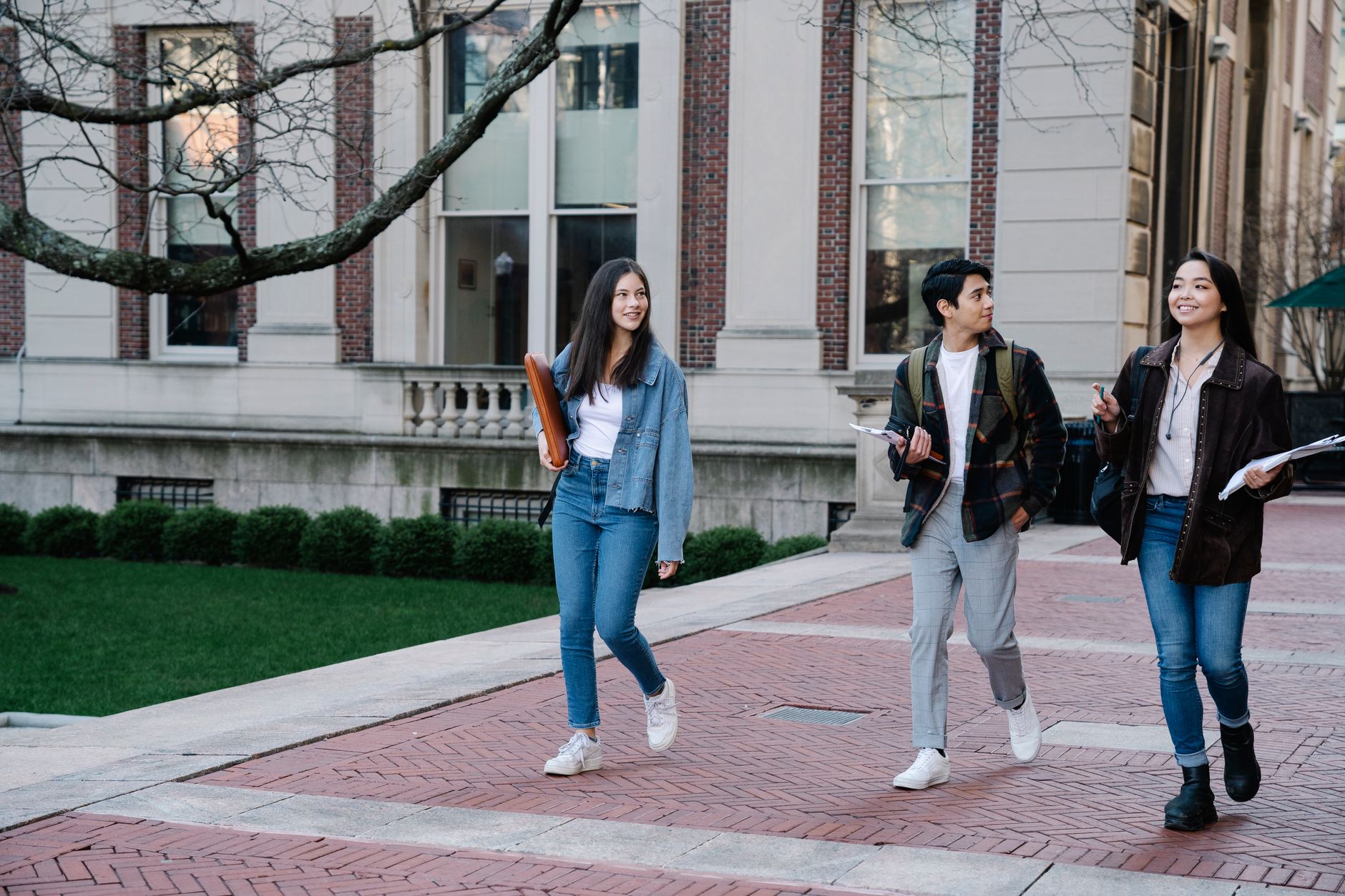
When a regional university teams up with a startup that sells sentiment‑analysis APIs, the press release usually reads like a marketing brochure. The USC Upstate–Tranquility AI announcement feels different because the two parties are stitching together data streams that most campuses still treat as separate silos: class‑attendance logs, library‑check‑out timestamps, dining‑hall swipe records, and the anonymous pulse of student‑forum chatter. The result is a single dashboard that flags a dip in engagement before a student even walks into a counseling office.
Why the Partnership Matters
USC Upstate enrolls roughly 12,000 undergraduates across three campuses, and its counseling center has historically run at 85 % capacity during midterms. Tranquility AI brings a model trained on 4 million de‑identified conversation threads from university‑affiliated Reddit communities, Discord servers, and anonymous survey responses. By feeding the model real‑time campus‑card swipes and LMS login frequencies, the system can surface a “well‑being index” that updates every 15 minutes. That granularity matters: a 2023 study at the University of Michigan showed that a 48‑hour lag between a detectable slump and a counselor outreach cut follow‑through rates by 37 %.
How the Platform Works
The architecture is deliberately boring — no blockchain, no metaverse avatars. Data ingestion layers sit on top of the university’s existing identity‑management stack (Shibboleth + Duo). Each night, a batch job normalizes swipe‑card timestamps, Wi‑Fi association logs, and learning‑management‑system heartbeats into a uniform event stream. Tranquility’s inference service then scores each student’s risk tier — low, moderate, high — without ever seeing a name. The dashboard only surfaces a pseudonymized ID to the wellness team, who can trigger a secure message through the campus app: “Hey, we noticed you’ve been offline a bit. Want to chat?”
- Data sources: meal‑plan swipes, library gate counts, LMS logins, anonymous forum sentiment
- Latency: 15‑minute refresh cycle
- Privacy guardrails: differential‑privacy noise added at ingestion; no raw text leaves campus servers
- Intervention channel: in‑app push, email, or optional SMS fallback
Early Signals and Skepticism
During the pilot week — limited to the College of Engineering — the index flagged 23 students as “high risk.” Twelve accepted a virtual check‑in; three scheduled in‑person sessions; eight declined. Counselors reported that the outreach felt less intrusive than the traditional “you’ve missed three classes” email because the trigger was behavioral, not punitive. Critics on the faculty senate, however, worry about scope creep. “Today it’s wellness; tomorrow it’s academic probation,” said Dr. Mara Larkin, chair of the sociology department. The university’s IRB approved the pilot under a “minimal risk” classification, but the board has mandated a quarterly audit and a hard stop‑date of December 2026 if false‑positive rates exceed 12 %.
What Other Schools Should Watch
First‑in‑nation claims are easy to make; scaling is where most pilots die. USC Upstate’s advantage is a relatively homogeneous student body and a single‑sign‑on infrastructure that many larger state systems lack. Institutions eyeing a copy‑cat rollout should audit three things before signing a contract: (1) the maturity of their identity‑management layer — can it push attribute‑based claims without custom code? (2) the willingness of counseling staff to trust algorithmic nudges — if clinicians treat the index as a suggestion rather than a directive, adoption stalls. (3) the legal framework for de‑identified analytics — some states (California, Illinois) now require a data‑processing addendum even for aggregated scores.
Tranquility AI’s roadmap hints at a “peer‑support matching” module that would pair high‑risk students with trained upper‑class volunteers, all mediated through the same pseudonymized IDs. If that ships before the audit deadline, the program could become a template for community colleges that lack full‑time psychologists but have robust Wi‑Fi analytics. The real test, though, will be whether the university can keep the human loop tight — counselors who read the dashboard, pick up the phone, and remember that a number is not a person.
Source: original report