Castelion’s $1B Bet on Hypersonic Missiles Signals a New Arms Race
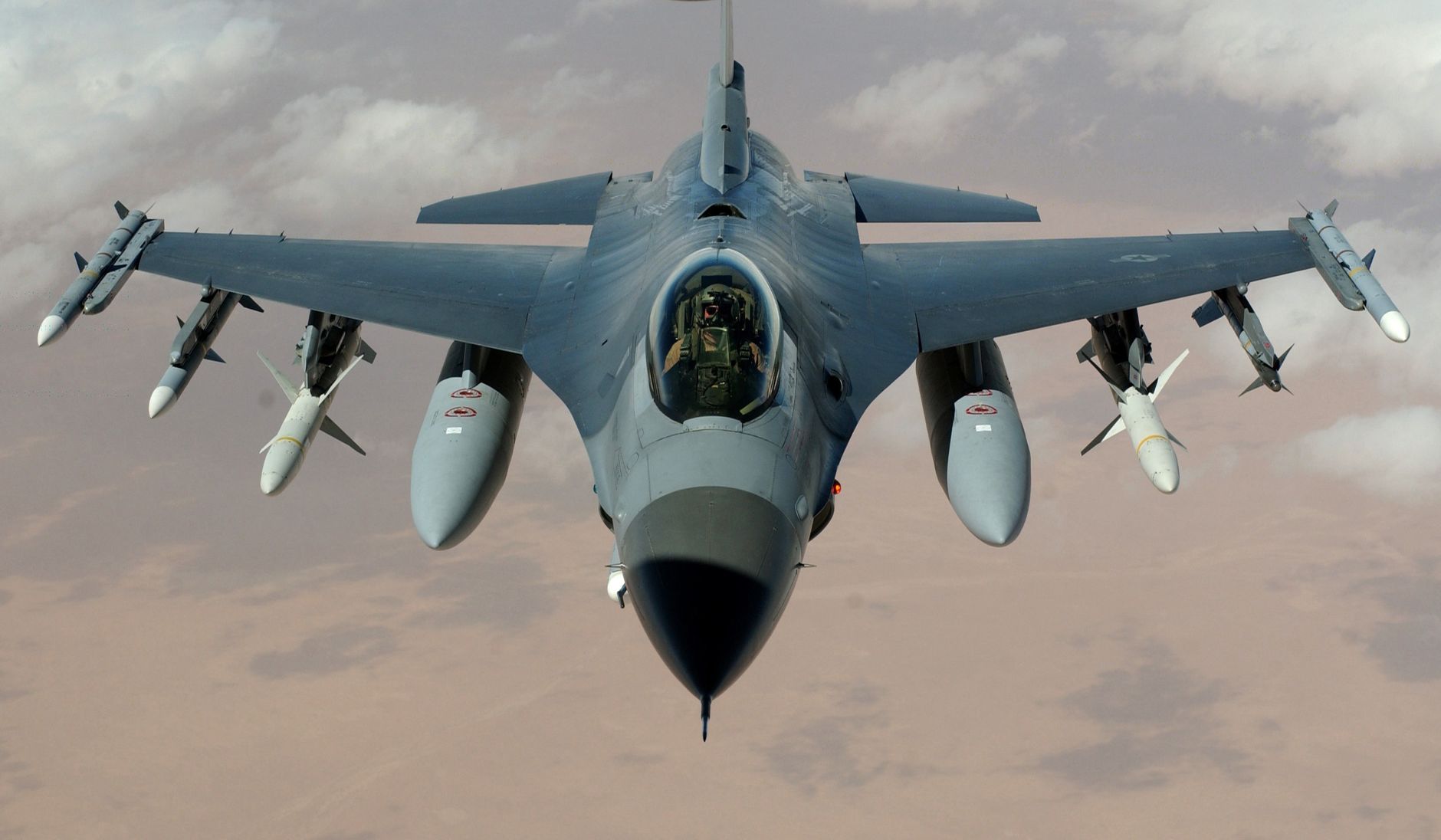
Castelion just announced a $1 billion raise, and the defense world is already recalibrating its expectations for hypersonic weapons.
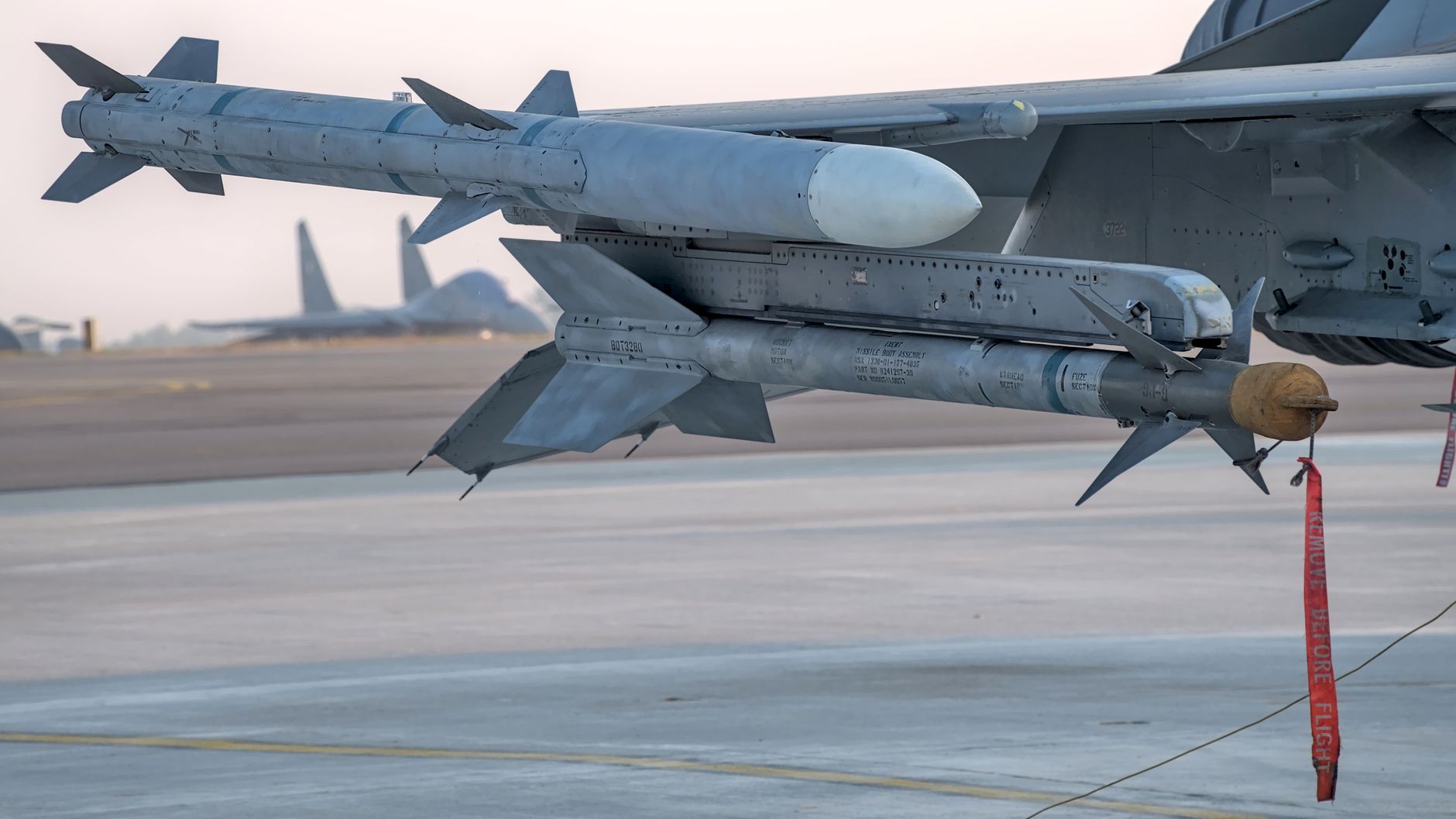
The Money Behind the Mach
The round was led by a consortium of venture funds and strategic investors who see speed as the next moat in modern warfare. Unlike typical Series C rounds that top out at a few hundred million, this infusion pushes Castelion into the same financial tier as established prime contractors. The capital gives the company runway to move from wind‑tunnel prototypes to flight‑test articles without begging for additional tranches every quarter.
What stands out is the blend of traditional defense money — think In‑Q‑Tel and Lockheed‑style strategic arms — with pure‑play tech capital that usually backs AI chips or quantum computing. That hybrid backing signals a belief that hypersonic propulsion is less a niche research project and more a platform technology that could spin off into commercial launch services, high‑speed transport, or even space‑plane concepts.
Why Hypersonics Matter Now
Speed compresses decision cycles. A missile that crosses the atmosphere at Mach 5‑10 shrinks the window for interceptors, electronic warfare, and diplomatic signaling to seconds. Recent conflicts have shown that existing ballistic and cruise missiles can be tracked, decoyed, or shot down with layered defenses. Hypersonics break that model by combining maneuverability with a thermal signature that current sensors struggle to discriminate in real time.
The U.S. Department of Defense has earmarked billions for the Hypersonic Technology Demonstrator program, but the schedule has slipped. Private capital can iterate faster, test more aggressively, and absorb failure rates that a government program cannot politically survive. Castelion’s roadmap — ground‑test a scramjet inlet this year, flight‑test a full vehicle next year — mirrors the “fail fast” cadence of Silicon Valley more than the traditional acquisition timeline.
The Supply Chain Gamble
Building a vehicle that survives 2,500 °C surface temperatures while staying lightweight enough for a booster is a materials problem first, a propulsion problem second. Castelion has partnered with a handful of specialty alloy foundries and a ceramic‑matrix composite shop that have never produced at weapon‑scale volumes. Scaling those supply lines from “lab‑grade” to “flight‑grade” is where many hypersonic programs have stalled.
The $1 billion gives the startup leverage to sign long‑term offtake agreements, fund dedicated furnace capacity, and even acquire a small forging house outright. That vertical integration is rare in defense; most primes rely on a web of subcontractors that each add schedule risk. If Castelion can lock in a reliable high‑temperature supply chain, it creates a moat that even larger incumbents will struggle to replicate quickly.
What This Means for the Rest of Us
For policymakers, the raise underscores that the hypersonic race is no longer a pure state‑vs‑state contest. Private firms can now field credible prototypes, forcing export‑control regimes to catch up. Allies will press for technology‑sharing agreements; adversaries will accelerate their own programs or seek asymmetric counters such as directed‑energy weapons.
For investors, the deal sets a valuation benchmark. A pre‑flight‑test hypersonic startup commanding a billion‑dollar valuation suggests the market is pricing in a future where speed‑as‑a‑service becomes a commodity — think rapid‑global‑strike logistics, high‑value payload delivery, or even sub‑orbital tourism. The risk profile is extreme, but the upside narrative is now backed by a capital pool that can survive multiple test failures.
For engineers, the message is clear: the problems that used to be “too hard for a startup” — scramjet inlet design, active cooling, real‑time guidance at Mach 8 — are now funded. Expect a surge of talent moving from traditional aerospace primes into these agile teams, bringing with them clearance‑level experience but a startup‑speed mindset.
Castelion’s next milestone is a live flight test over the Pacific range in early 2026. If the vehicle survives the thermal soak and hits its target corridor, the conversation shifts from “can we build it?” to “how fast can we field it?” — and that shift will rewrite defense budgets, alliance structures, and the very definition of strategic deterrence for the next decade.
Source: original report