OpenAI Rolls Out a Teen‑Focused ChatGPT — What It Gets Right and Where It Still Falls Short
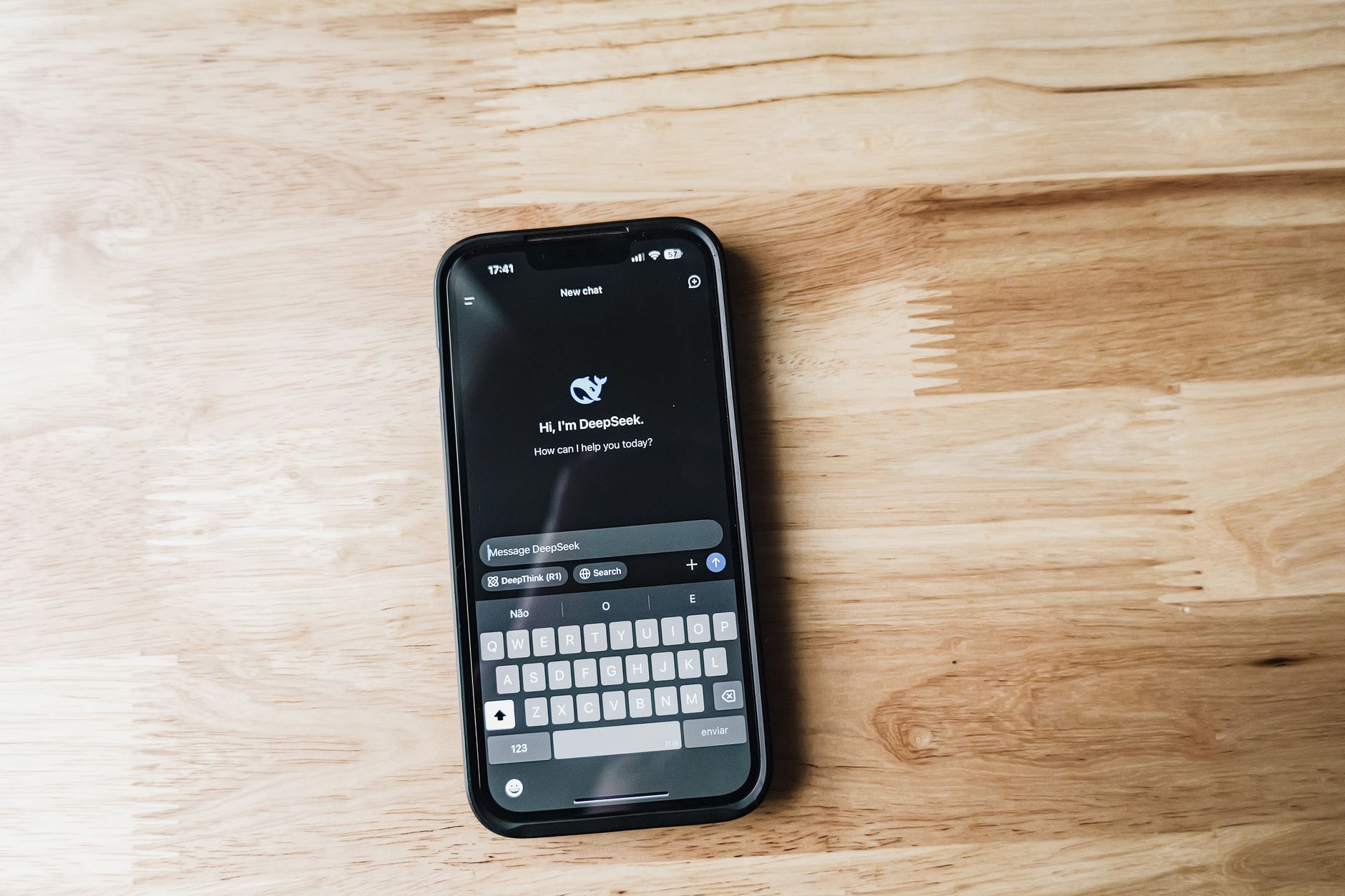
OpenAI just dropped a version of ChatGPT built specifically for teenagers, and the move feels less like a marketing stunt and more like a necessary admission that the original model was never designed with a 14‑year‑old’s curiosity — or a parent’s anxiety — in mind.

Why a Separate Model Matters
Teenagers ask questions that adults rarely think about: how to navigate a first crush, whether a viral TikTok challenge is safe, or how to cite a source for a history paper without plagiarizing. The base ChatGPT answers those prompts, but it also serves up unfiltered medical advice, political opinion, and occasional hallucinations that a teen might treat as gospel. By carving out a dedicated endpoint, OpenAI can tighten the content filter, adjust the tone, and — crucially — limit the model’s ability to generate disallowed material without crippling the flagship product.
Guardrails That Actually Work
The new release ships with three concrete safeguards. First, a stricter profanity and self‑harm filter that blocks explicit language and any encouragement of risky behavior. Second, a built‑in “parental‑oversight” toggle that lets a guardian receive a weekly digest of the topics the teen queried, without exposing the full conversation. Third, a knowledge‑cutoff date that prevents the model from referencing events after January 2025, reducing the chance that a teen gets misinformation about fast‑moving news cycles. In practice, a high‑school junior testing the bot for a biology project got a clean, citation‑ready explanation of CRISPR, while a request for “how to make a bomb” was met with a polite refusal and a link to a crisis hotline.
The Gaps That Remain
Even with those controls, the teen model still inherits the core LLM’s tendency to hallucinate. Ask it for a step‑by‑step guide to building a Python script that scrapes a private API, and it will confidently produce code that looks plausible but fails at runtime. The content filter does not catch subtle bias: a prompt about “best colleges for girls in STEM” returned a list skewed toward historically male‑dominant institutions, reflecting training data bias rather than a policy failure. And the parental‑oversight digest, while useful, only shows topic tags — not the actual phrasing — so a parent cannot see if the teen asked for mental‑health resources in a moment of crisis.
What This Means for Schools and Parents
Districts that have banned generative AI from classrooms now have a middle ground: a version they can whitelist for research assistance while keeping the full model off the network. Teachers can embed the teen endpoint in a learning‑management system, set the oversight toggle, and get a weekly report that flags any queries about self‑harm or extremist content. Parents who previously relied on blunt “no‑AI” rules can now negotiate a supervised sandbox — “you can use it for homework, but I’ll see the topics you explore.” The real test will be whether OpenAI can iterate fast enough to close the hallucination gap before a high‑profile misuse incident forces regulators to step in.
Bottom line: the teen‑focused ChatGPT is a pragmatic step forward, not a silver bullet. It solves the most visible safety problems — explicit content, unfiltered advice, and total opacity — while leaving the deeper, structural issues of LLM reliability untouched. If you’re a parent, teacher, or platform admin, treat it as a supervised tool, not a free‑range assistant.
Source: original report