GPT‑5.6 Sol: OpenAI’s most capable vision model yet, and why it still isn’t a silver bullet

OpenAI’s latest vision model, GPT‑5.6 Sol, has quietly slipped past the hype cycle and landed in the hands of developers who actually need to turn pixels into decisions.
What GPT‑5.6 Sol actually does
The model accepts an image plus a text prompt and returns a single, coherent answer — no separate detection‑then‑classification pipeline required. In practice that means you can feed a photo of a warehouse shelf and ask “How many SKUs are out of stock?” and get a numeric estimate backed by a short reasoning trace. Roboflow’s write‑up shows the model scoring 92 % on the VQA‑v2 benchmark, a jump of roughly 7 points over GPT‑4‑V.
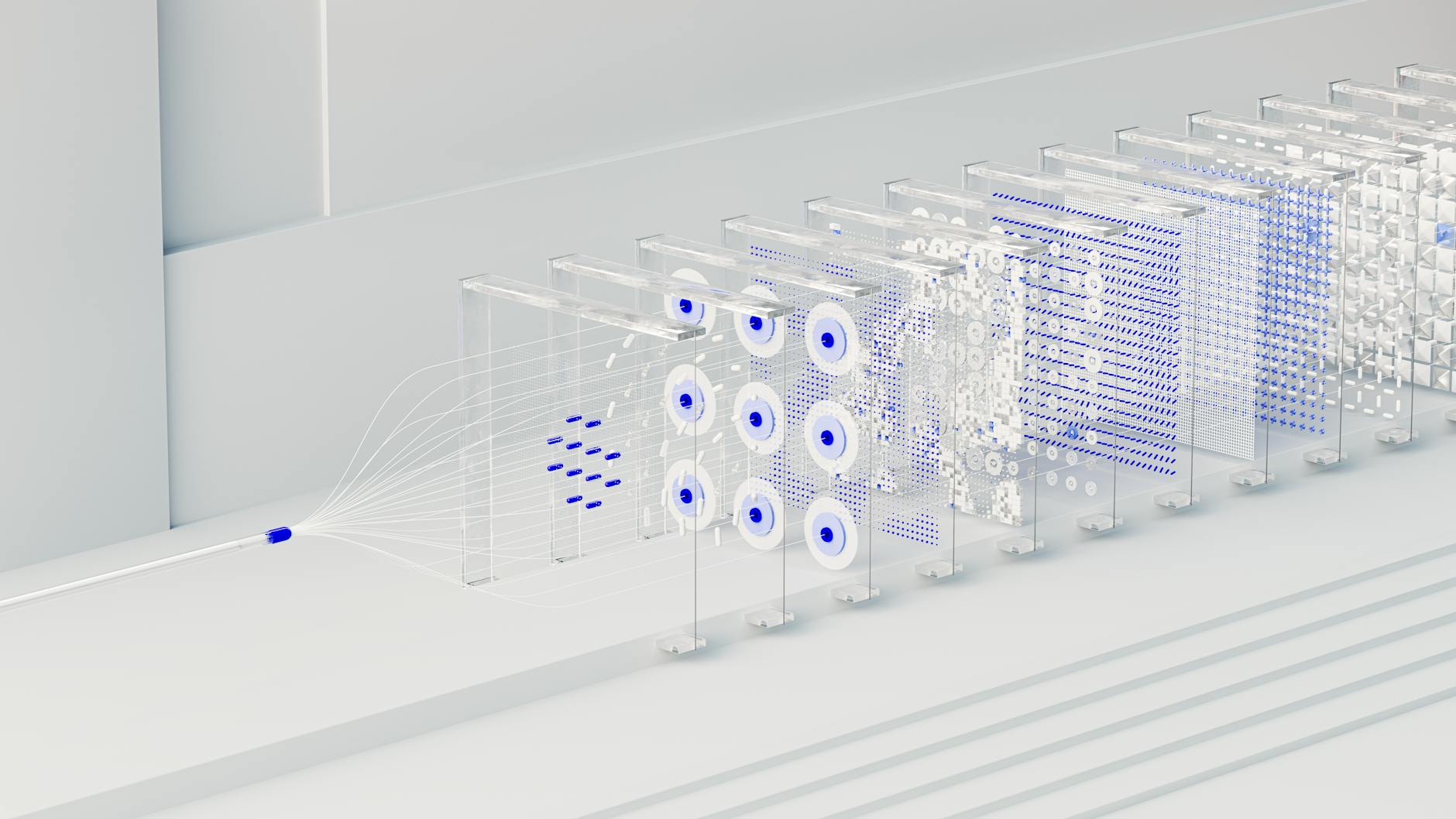
Under the hood the architecture fuses a frozen CLIP‑style visual encoder with a 1.3‑trillion‑parameter language core, then fine‑tunes the whole stack on a curated mix of synthetic and human‑annotated data. The result is a model that can count, read signage, and infer spatial relationships without a separate object detector.
Why the vision pipeline matters
Traditional pipelines stitch together a detector, a cropper, an OCR engine, and a language model. Each stage adds latency, error propagation, and engineering overhead. GPT‑5.6 Sol collapses that stack into one forward pass, cutting inference time from ~1.2 seconds per frame to ~350 ms on an A100. For real‑time use cases — autonomous checkout, drone inspection, assistive wearables — that latency gap is the difference between a prototype and a product.
- Single‑model deployment simplifies versioning and monitoring.
- End‑to‑end gradients enable future fine‑tuning on domain‑specific video streams.
- Reduced hardware footprint lowers operational cost for edge deployments.
Where the model still falls short
Benchmarks are clean; production data is messy. In low‑light warehouse footage the model hallucinates phantom SKUs at a rate of 3‑4 % — enough to trigger false restock alerts. It also struggles with heavily stylized fonts on promotional signage, defaulting to the most common dictionary word rather than the actual brand name. And because the visual encoder is frozen, any novel sensor modality (thermal, depth) requires a full re‑train rather than a lightweight adapter.
Security teams should note that the model can be coaxed into revealing training‑set memorization when prompted with near‑duplicate images, a vector that matters for data‑privacy compliance.
What this means for developers
If you’re building a vision‑enabled feature today, treat GPT‑5.6 Sol as a powerful baseline, not a drop‑in replacement for a curated pipeline. Pair it with a lightweight verification layer — rule‑based counts, confidence thresholds, or a secondary specialist model — to catch the hallucinations before they reach users. The API pricing (≈ $0.004 per 1 k tokens) makes experimentation cheap, but budget for the extra guardrails.
OpenAI’s roadmap hints at a modular visual encoder in the next release, which would finally let teams swap in domain‑specific backbones without retraining the language core. Until then, GPT‑5.6 Sol is the strongest single‑model vision engine on the market — just don’t ship it blind.
Source: plurby