Madison Square Garden Protest Shows Facial Recognition Fight Is Moving From Courts to Culture
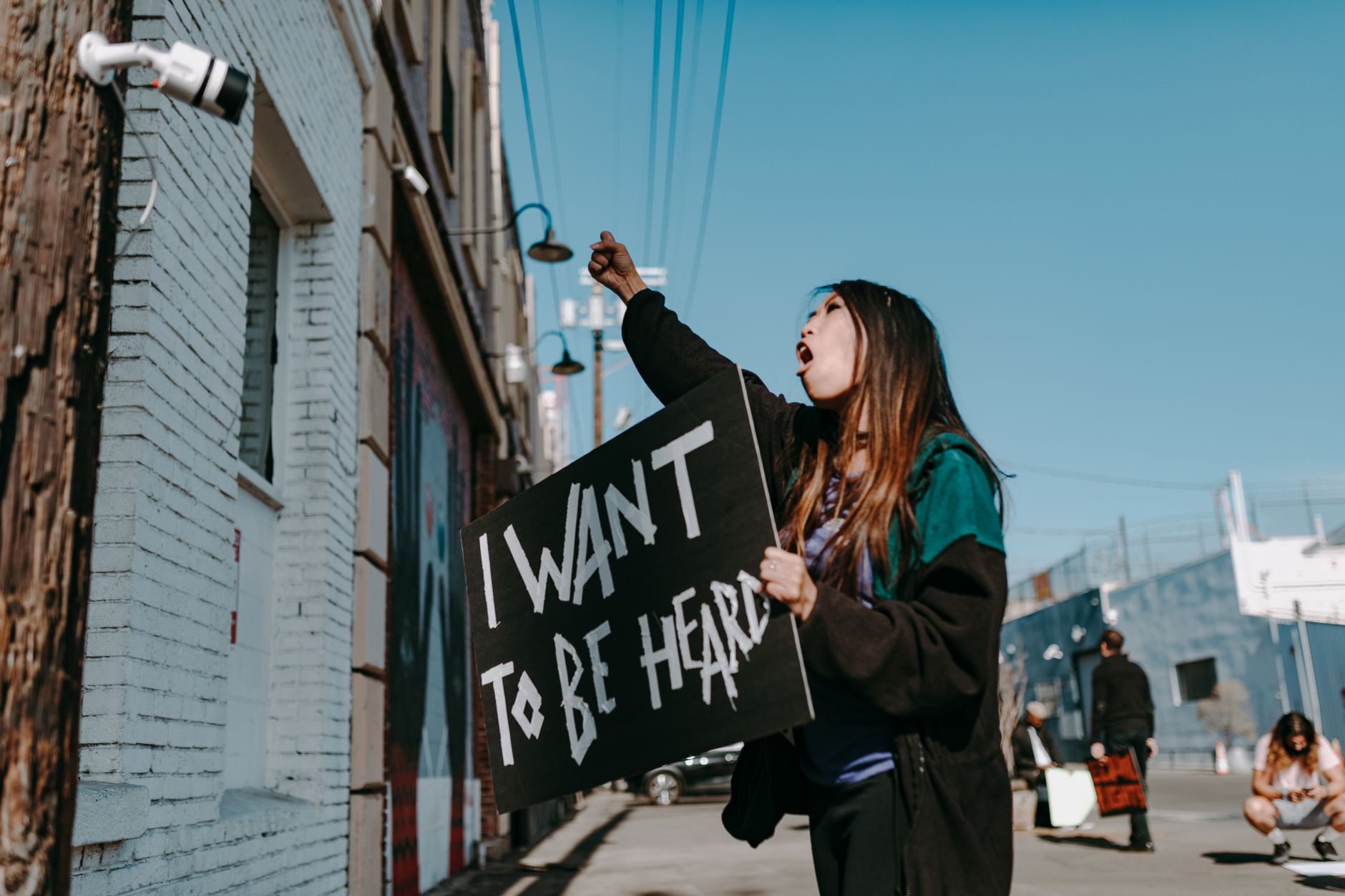
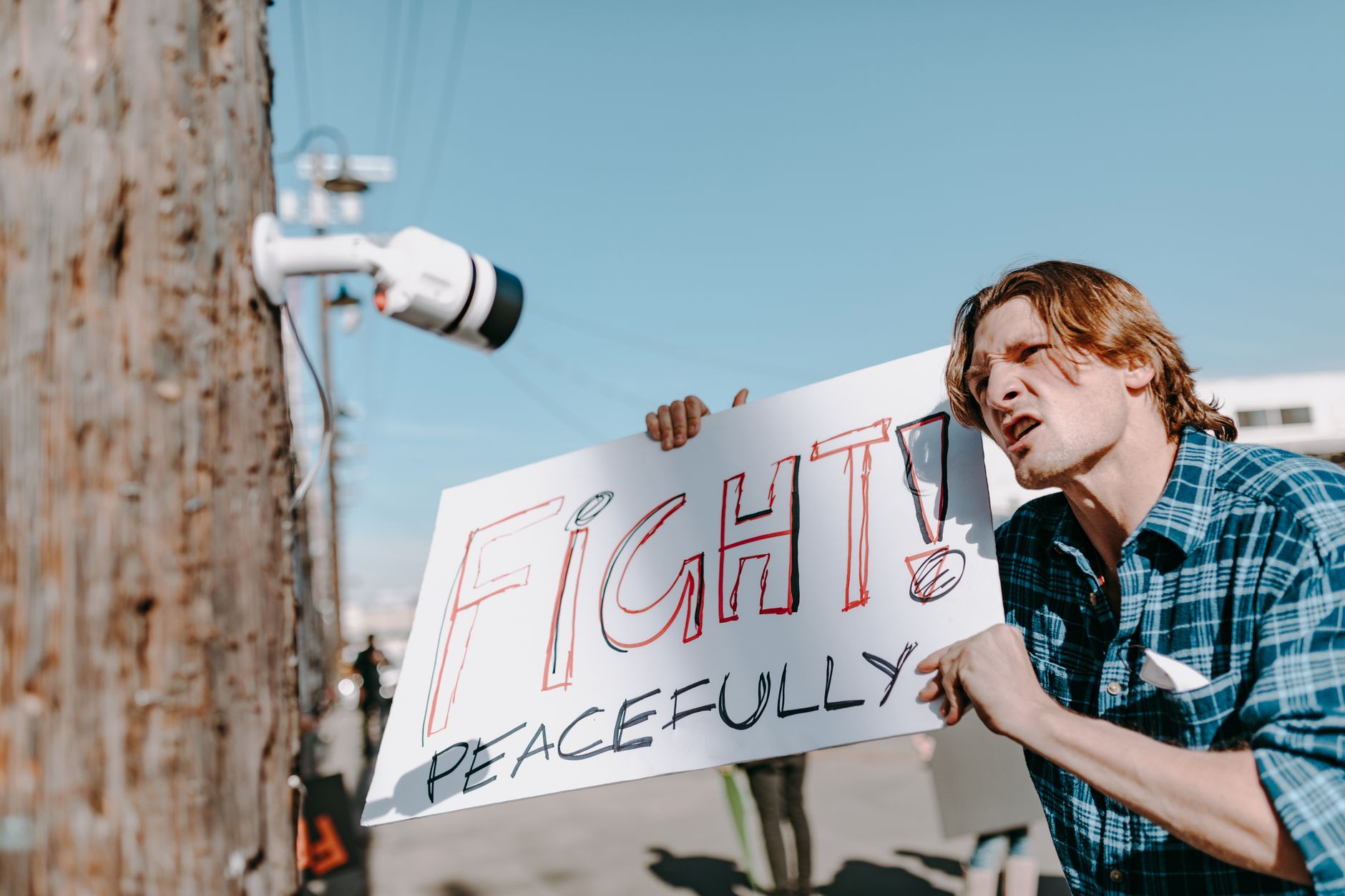
The chants inside Madison Square Garden last week weren’t about the Knicks’ playoff chances. A coalition of privacy groups, digital rights lawyers, and ordinary New Yorkers packed the concourse during a Rangers game to demand something the venue’s owners have resisted for years: a total ban on facial recognition at entry points. The rally wasn’t a press conference. It was loud, visible, and deliberately inconvenient — exactly the kind of pressure that forces executives to stop hiding behind “security” talking points and start answering for the surveillance infrastructure they’ve quietly installed.
From Ticket Scanning to Biometric Dragnet
Madison Square Garden began testing facial recognition at select entrances in 2018, framing it as a “frictionless” way to move season-ticket holders through security. The pitch: look at a camera, walk in, no ticket scan required. What the marketing glossed over was the backend — a database linking faces to ticket accounts, purchase histories, and, crucially, a watchlist the venue maintains with law-enforcement input. The Garden has never disclosed how many people are on that list, what criteria land someone there, or whether the data gets shared beyond the building’s walls.
That opacity is the problem. When the Tennessee Titans rolled out a similar system at Nissan Stadium, a local TV investigation found the watchlist included people who’d merely been ejected for rowdy behavior — not criminal trespass, not violence, just “disorderly conduct” vague enough to cover a heated argument with an usher. MSG’s policy, obtained through a FOIL request by the Surveillance Technology Oversight Project, uses nearly identical language. A bouncer’s judgment call becomes a permanent biometric flag.
The Legal Patchwork Isn’t Holding
New York’s Biometric Identifier Information Law (BIIL) requires venues to post notice and obtain written consent before collecting faceprints. MSG complied by slapping a 12-point-font sign at Gate 4 and burying a consent clause in the 47-page terms of service nobody reads. The law also mandates a retention schedule — data must be deleted within 30 days of the event. But the watchlist? That’s “security records,” exempt from deletion. So your faceprint vanishes, but the match that flagged you stays forever.
Illinois’ BIPA statute is stricter: private right of action, $1,000 per negligent violation, $5,000 per intentional one. That’s why Clearview AI settled with the ACLU for $50 million rather than face a jury. New York’s law carries no private right of action — only the AG can enforce. Letitia James has bigger fish to fry. MSG knows this. Their compliance theater is calibrated to the exact minimum the statute demands.
Why the Rally Mattered
Protest at a hockey game looks performative until you trace the money. MSG’s parent, MSG Entertainment, is spinning off its regional sports networks into a standalone streaming venture. Advertisers for that platform — betting apps, telecoms, auto brands — pay premiums for “verified attendance data.” Biometric entry creates a clean, deduplicated headcount tied to purchasing power. That’s the asset. The rally forced the narrative away from “convenience” and toward “monetized surveillance.” When the Garden’s PR team issued a statement Monday calling the system “optional,” they conveniently omitted that opting out means joining a separate, slower line staffed by two guards — a structural nudge designed to make consent feel like the only rational choice.
The coalition’s demand is specific: not “regulation,” not “transparency,” but a legislative ban on facial recognition in places of public accommodation. That’s the model that worked in Portland, where a 2020 ordinance forced the Trail Blazers to rip out cameras at the Moda Center. The Blazers switched to QR codes and NFC wristbands. Attendance didn’t dip. Security incidents didn’t rise. The sky didn’t fall.
The Counterargument That Doesn’t Hold
Venue operators argue biometrics stop banned fans, known terrorists, and human traffickers. The first is a contract dispute — sell the ticket, enforce the ban through ID check, don’t scan every face. The second is a fantasy: no public venue has ever caught a terrorist via facial recognition at a gate. The third is a legitimate horror, but trafficking investigations rely on license-plate readers, financial forensics, and victim testimony — not arena turnstiles. Using trafficking victims as a rhetorical shield for commercial data harvesting is cynical even by lobbyist standards.
There’s also the error-rate reality. NIST’s 2022 demographic-differential report showed false-match rates for Black women 10-100x higher than for white men, depending on the algorithm. MSG uses a vendor they won’t name. When the STOP coalition asked for the algorithm’s NIST submission ID, the Garden cited trade secrets. That’s not security. That’s avoidance.
What Comes Next
Assembly Bill A6782, sponsored by Danny O’Donnell (D-Manhattan), would amend the civil rights law to treat biometric surveillance in public accommodations as a per se violation — no intent required, statutory damages, attorney fees. The bill has 42 co-sponsors. MSG Entertainment has hired Park Strategies, the same firm that killed a similar bill in 2021 by arguing it would “prevent venues from using modern security tools.” The rally was timed to the committee hearing calendar.
If the bill moves, the fight shifts to the Senate, where Andrea Stewart-Cousins (D-Brooklyn) chairs the relevant committee. She’s accepted $14,300 from MSG Entertainment’s PAC since 2019. Her staff says she’s “studying the issue.” That’s Albany for “waiting for the heat to drop.” The rally’s job is to keep the heat up.
The Stakes Extend Past 33rd Street
What happens at MSG becomes the template for Barclays Center, Yankee Stadium, the Javits Convention Center, every mid-size theater and concert hall in the state. A ban in the world’s most famous arena signals that biometric entry isn’t inevitable — it’s a choice, and a reversible one. Portland proved it. Illinois courts proved it. The technology isn’t the destiny; the policy is.
Next time you walk into a venue and a camera winks at you, ask yourself: who paid for that camera, who owns the matching logic, and what happens when the list of “unwanted” faces expands to include union organizers, journalists, or the wrong political donor? The rally at MSG didn’t answer those questions. It made sure they can’t be ignored.
Source: original report