Trump’s Carrier Retrofit Order Revives Cold‑War Gear at a Billion‑Dollar Price Tag
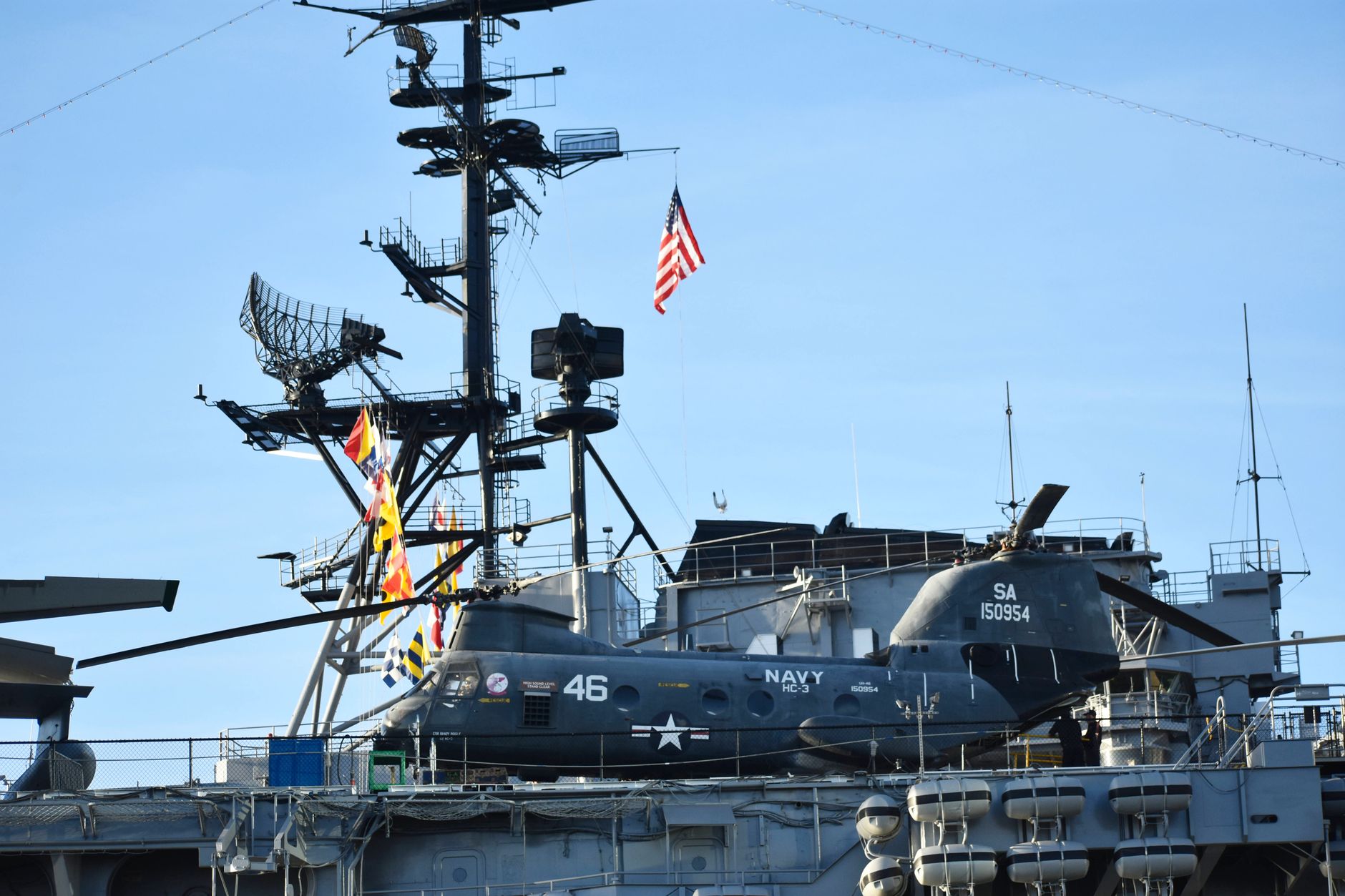
The Navy’s newest carrier class was supposed to be a showcase for electromagnetic launch systems, advanced arresting gear, and a fully digital flight‑deck. Instead, a presidential directive has forced the service to rip out those systems and reinstall steam‑catapults and hydraulic arresting gear that have not seen a new hull since the 1990s.
The Order and Its Rationale
According to the Wall Street Journal, the White House issued a classified memorandum in early March directing the Chief of Naval Operations to “restore legacy launch and recovery equipment on all Nimitz‑ and Ford‑class carriers.” The memo cites “operational reliability” and “supply‑chain resilience” as the primary drivers. In practice, the move is a political signal to shipyards in Virginia and Maine that the administration prefers proven, low‑tech solutions over the newer Electromagnetic Aircraft Launch System (EMALS) and Advanced Arresting Gear (AAG) that have suffered high‑profile failures during testing.
What the Old Tech Actually Means
Steam catapults and hydraulic arresting gear are not merely “old.” They demand a massive boiler plant, a dedicated fresh‑water supply, and a crew of specialists who spend weeks each deployment adjusting pressure curves. The Nimitz class already carries a 1,200‑ton steam plant; the newer Ford class was designed to delete it entirely. Re‑adding that plant means:
- Re‑engineering the ship’s internal layout — moving bulkheads, rerouting piping, and reinforcing deck plating.
- Recruiting and training a new generation of boiler technicians, a skill set the Navy has been phasing out for two decades.
- Accepting a 15‑percent increase in fuel consumption per sortie, because steam generation is far less efficient than the linear‑motor drive of EMALS.
For the flight deck, the hydraulic arresting gear requires a 30‑foot‑long piston array that must be inspected after every 150 arrests. The current AAG uses a carbon‑fiber tape that can be swapped in hours. The maintenance burden alone adds an estimated 2,500 man‑hours per carrier per year.
The Cost and Opportunity Loss
The Journal’s sources place the retrofit bill at $3.2 billion for the two Ford‑class ships still under construction, plus another $1.1 billion to back‑fit the four Nimitz‑class hulls that have already been modernized. That $4.3 billion could otherwise fund:
- Two additional unmanned surface vessels for distributed maritime surveillance.
- A full‑scale upgrade of the Navy’s cyber‑defense backbone across the Pacific fleet.
- Accelerated procurement of the next‑generation F‑35C block‑buy, which is already behind schedule.
Congressional staffers on the Armed Services Committee have privately called the directive “a budgetary anchor” that will force the service to defer at least three major modernization lines through FY2028.
Strategic Implications for the Fleet
Carrier strike groups operate on a tight cycle: deploy, conduct high‑tempo flight operations, return for sustainment. The re‑introduction of steam catapults lengthens the turnaround window by an average of 12 hours per launch cycle, according to the Naval Sea Systems Command’s own simulation data. In a conflict scenario where sortie rates exceed 120 per day, that latency translates into a measurable reduction in on‑station firepower.
Allies have taken notice. The Royal Navy’s Queen Elizabeth class, which relies on EMALS‑compatible launch tech, can now claim a higher sortie density with a smaller crew footprint. Japan’s Izumo‑class conversion program, slated for 2027, is explicitly benchmarking against the U.S. EMALS baseline. By stepping backward, the U.S. hands a narrative advantage to competitors who can argue that “the world’s leading carrier navy still trusts 1970s steam.”
There is a silver lining: the retrofit forces a deep audit of the carrier’s structural margins. Engineers have uncovered fatigue cracks in the catapult troughs that would have gone unnoticed under the newer system’s lighter loads. That discovery may extend the service life of the Nimitz hulls by a decade — if the Navy chooses to invest in targeted reinforcement rather than wholesale replacement.
Ultimately, the decision reads less like a technical correction and more like a political playbook. The administration gets a headline about “bringing back proven American engineering,” while the Navy absorbs a multi‑billion‑dollar bill that crowds out the very capabilities — unmanned teaming, directed energy weapons, hypersonic interceptors — that the next conflict will demand. The carriers will sail, but they will do so with a heavier, slower, and more maintenance‑hungry deck than the one the fleet spent the last fifteen years designing.
Source: original report