Reservoir’s $8M Bet on Smart Water Heaters That Talk to the Grid
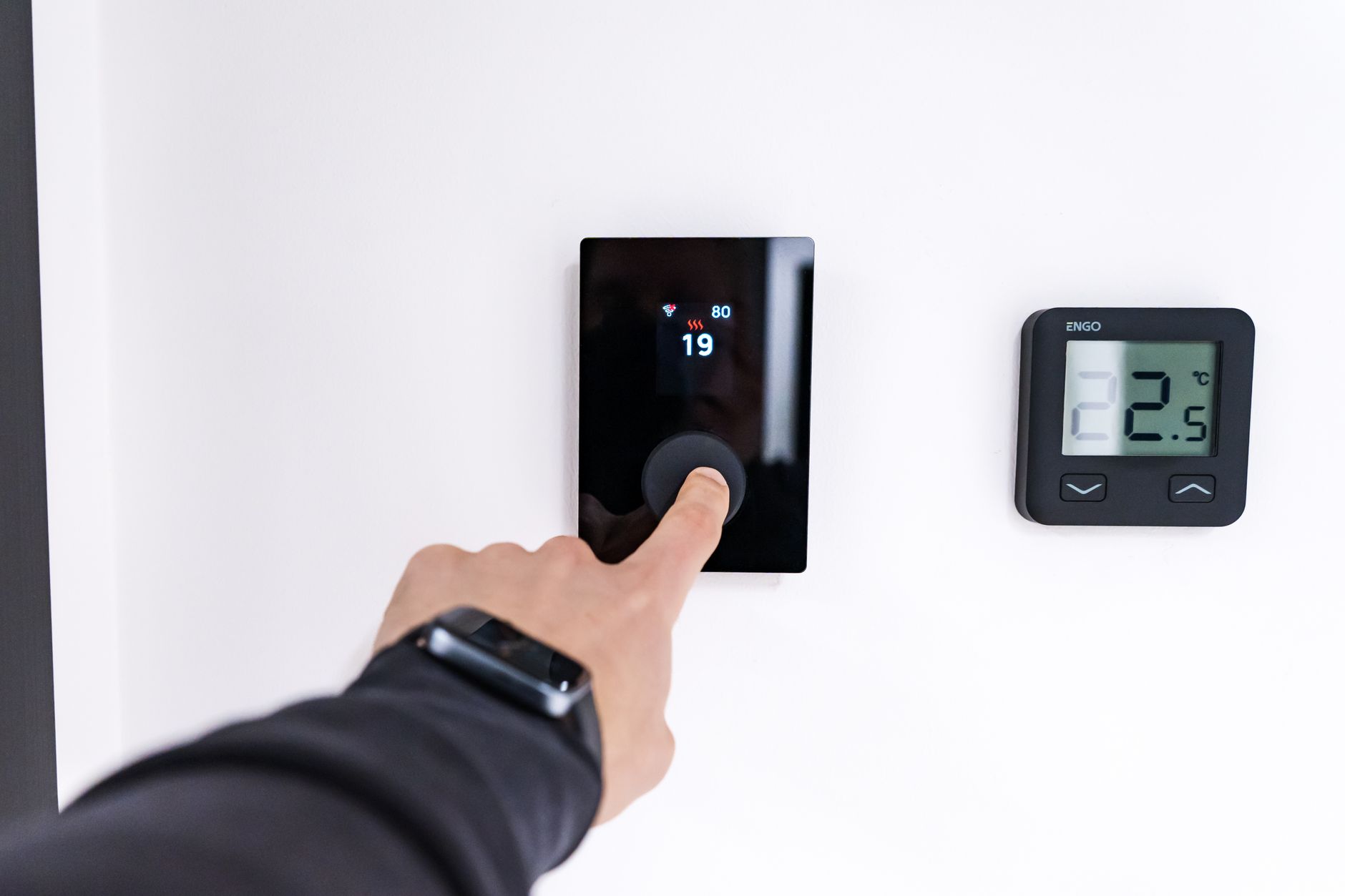
Most people treat a water heater like a forgotten appliance — install it, forget it, and hope it doesn’t leak. Reservoir thinks that’s a mistake the grid can’t afford. The startup just closed an $8 million round to ship a heater that predicts when you’ll need hot water, stores cheap electricity for later, and sniffs out pipe leaks before they turn into insurance claims.

Why the Grid Cares About Your Shower
Utilities have spent years coaxing thermostats and EV chargers into demand‑response programs. A water heater is a bigger, steadier load — roughly 15 percent of a typical home’s electricity use. If a fleet of heaters can shift a few megawatts from peak to off‑peak hours, the grid saves on peaker plants and avoids costly upgrades. Reservoir’s controller talks to the utility’s price signals in real time, so the tank heats when power is cheap and coasts when it’s expensive. The result isn’t just a lower bill; it’s a quieter, more resilient distribution network.
Learning the Household Rhythm
The unit ships with a modest neural net that watches flow‑rate, temperature set‑points, and even the time you usually start the dishwasher. After a week it can forecast the next 24 hours of demand within a few percent. That forecast drives two actions: pre‑heat the tank just enough to cover the predicted draw, and dump excess solar or wind generation into the tank’s thermal battery. In a California pilot, a family of four cut their water‑heating electricity use by 27 percent without ever running out of hot water. The algorithm also learns the quirks — a teenager’s late‑night showers, a weekend laundry marathon — and adjusts automatically.
Leak Detection as a Side Effect
Most leak sensors sit on the floor and beep after the damage is done. Reservoir embeds pressure transducers in the inlet and outlet lines. A slow pressure drop that doesn’t match the draw pattern flags a potential leak and pushes a notification to the homeowner’s phone. In a Seattle test house the system caught a pinhole in a copper supply line three weeks before the homeowner noticed a damp spot on the ceiling. Early detection saved an estimated $4,200 in water damage repairs.
What the Funding Means for the Market
The $8 million comes from a mix of climate‑tech funds and a strategic utility partner. That capital funds a 10,000‑unit production run aimed at the Pacific Northwest and the Northeast corridor — regions with aggressive time‑of‑use rates and high renewable penetration. Reservoir plans to price the unit at a modest premium over a high‑efficiency heat‑pump water heater, betting that the utility rebate and the leak‑insurance discount close the gap in under two years. If the pilot data holds, the company could push the platform into multi‑family buildings and light commercial spaces, where a single controller manages dozens of tanks.
- Predictive heating cuts peak‑load contribution by up to 30 percent.
- Thermal storage absorbs excess renewable generation that would otherwise be curtailed.
- Integrated leak sensing adds a safety layer most heaters ignore.
Reservoir isn’t promising a magic box that solves climate change overnight. It’s offering a pragmatic upgrade to a device every home already owns, turning a passive load into an active grid asset. The real test will be whether utilities adopt the communication standard fast enough to make the economics work at scale. If they do, the humble water heater finally earns its seat at the smart‑home table.
Source: Tim De Chant