Hemispheric Bets on AI to Turn Brain Scans Into Actionable Diagnoses
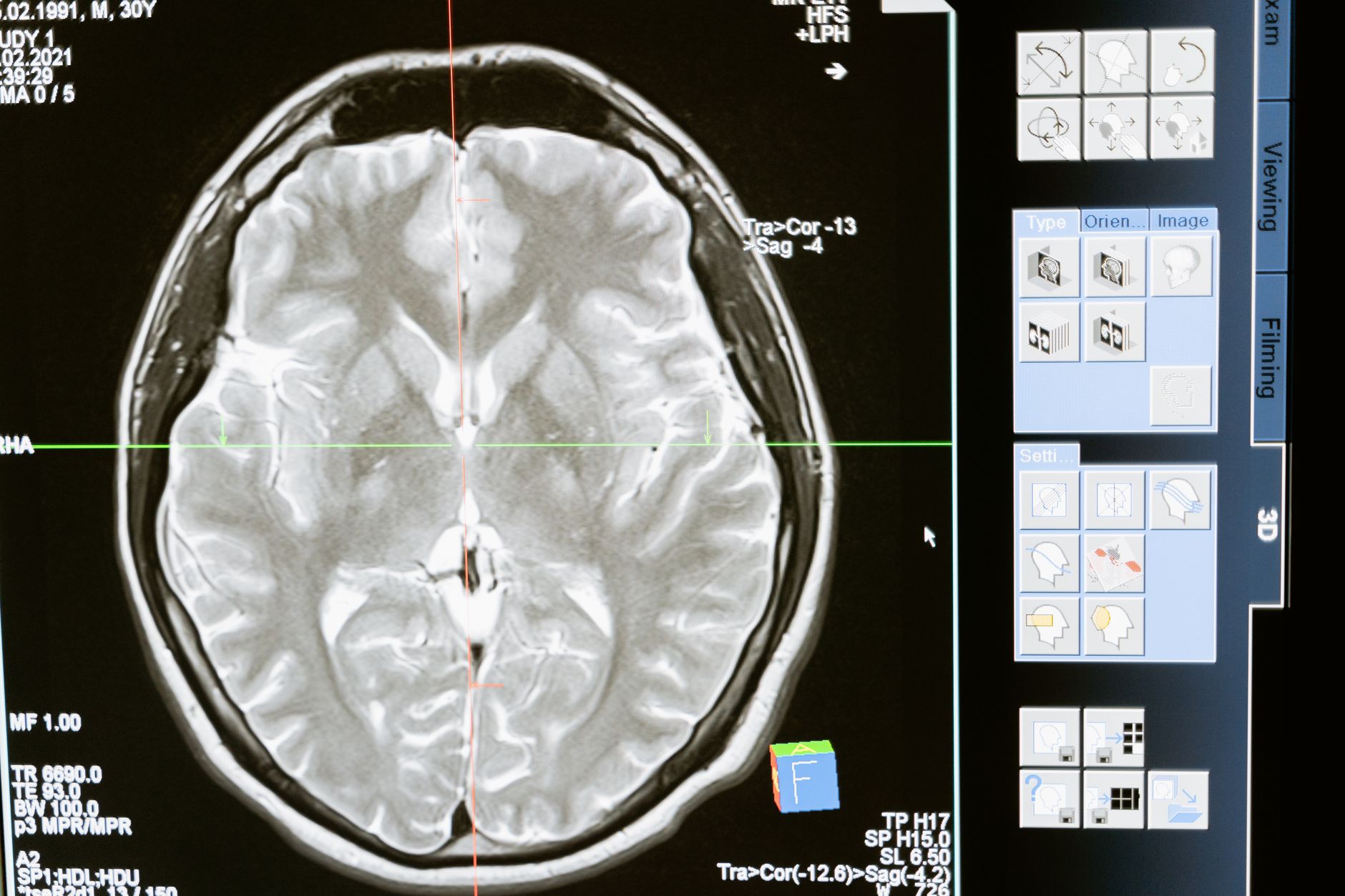
Israeli startup Hemispheric wants to make brain diagnostics as routine as a blood test, and it’s betting the answer lives in a mash‑up of deep‑learning models and massive, multimodal neuro‑imaging datasets.
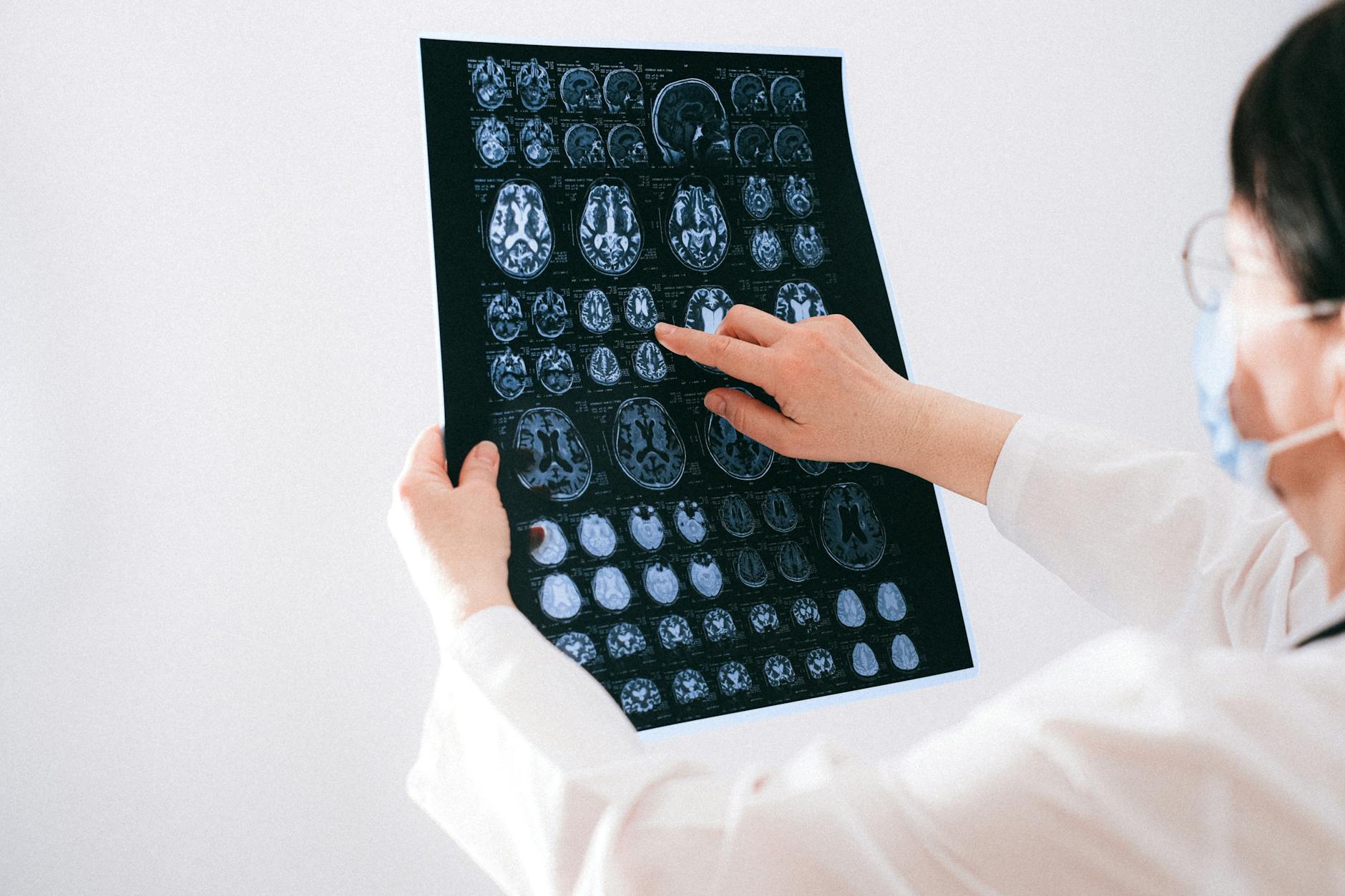
What Hemispheric Actually Does
The company has built a platform that ingests EEG, functional MRI, and even wearable sensor streams, then runs them through a suite of transformer‑style networks trained on millions of annotated scans from hospitals in Tel Aviv, Berlin, and Boston. The output is a probability map for conditions ranging from early‑stage epilepsy to traumatic‑brain‑injury progression.
Unlike most academic prototypes that stop at a research paper, Hemispheric packages the inference engine as a containerised micro‑service that can sit on a hospital’s existing PACS or on a secure edge node in the radiology suite. That means a neurologist can click a button, wait a few seconds, and get a heat‑map overlay on the original images without ever leaving the viewer they already trust.
Why the Brain Is a Hard Data Problem
Brain data is noisy, high‑dimensional, and fiercely protected. A single 30‑minute fMRI run can generate >1 GB of 4‑D voxels, and the signal‑to‑noise ratio varies wildly across scanners, coil configurations, and patient head motion. Hemispheric’s engineers told me they spend roughly 40 % of their compute budget on harmonisation — rigid‑body registration, intensity normalisation, and a custom artefact‑rejection network that flags motion spikes before the diagnostic model ever sees them.
- Multi‑site harmonisation pipelines that map vendor‑specific DICOM tags to a common ontology
- Self‑supervised pre‑training on unlabeled scans to learn anatomy priors
- Federated learning loops that keep raw patient data on‑premise while only model gradients travel
Those choices are not academic flourishes; they are the only way to get a model that generalises from a 3 Tesla Siemens scanner in Haifa to a 7 Tesla GE unit in New York without a full re‑training cycle.
The Business Model and Regulatory Maze
Hemispheric is pursuing a SaaS licence tied to scan volume, plus a per‑report fee for the optional “clinical decision support” add‑on that carries a CE mark and an FDA 510(k) clearance pathway. The company has already secured a breakthrough device designation for its epilepsy‑onset module, which short‑circuits the usual 18‑month review if the real‑world evidence package holds up.
Revenue traction is still modest — pilot contracts with two Israeli HMOs and a German university hospital — but the pricing model scales nicely: a 200‑scan‑per‑month site pays roughly $12 k annually, while a large academic centre running 2 000 scans can negotiate a volume discount that brings the per‑scan cost under $3. The real unlock, however, is the data‑flywheel: every verified diagnosis feeds back into the training corpus, tightening confidence intervals for the next release.
What This Means for Clinicians and Patients
For neurologists, the promise is a second pair of eyes that never fatigues, never misses a subtle spectral shift, and can flag a pre‑clinical pattern weeks before a seizure cluster appears. For patients, the upside is earlier intervention — think of a 14‑year‑old whose subtle cortical thinning gets flagged during a routine concussion follow‑up, prompting a targeted cognitive‑therapy program before school performance tanks.
Skepticism is healthy. The field is littered with “AI‑radiology” startups that shipped a glossy demo and then stalled on integration, reimbursement, or liability. Hemispheric’s decision to embed the model inside the existing PACS workflow, to keep data on‑premise, and to chase a regulated breakthrough device label shows a maturity that many peers lack.
If the upcoming multi‑center validation study — slated for Q1 2026 across 12 sites in Europe and the U.S. — hits its primary endpoint of a 15 % reduction in time‑to‑diagnosis for focal epilepsy, the conversation will shift from “does it work?” to “how fast can we roll it out?” That is the inflection point where a niche Israeli outfit becomes a new standard of care.
Source: original report