OpenAI’s Patent Grab Shows It’s Serious About Chips — Even When the Deal Dies
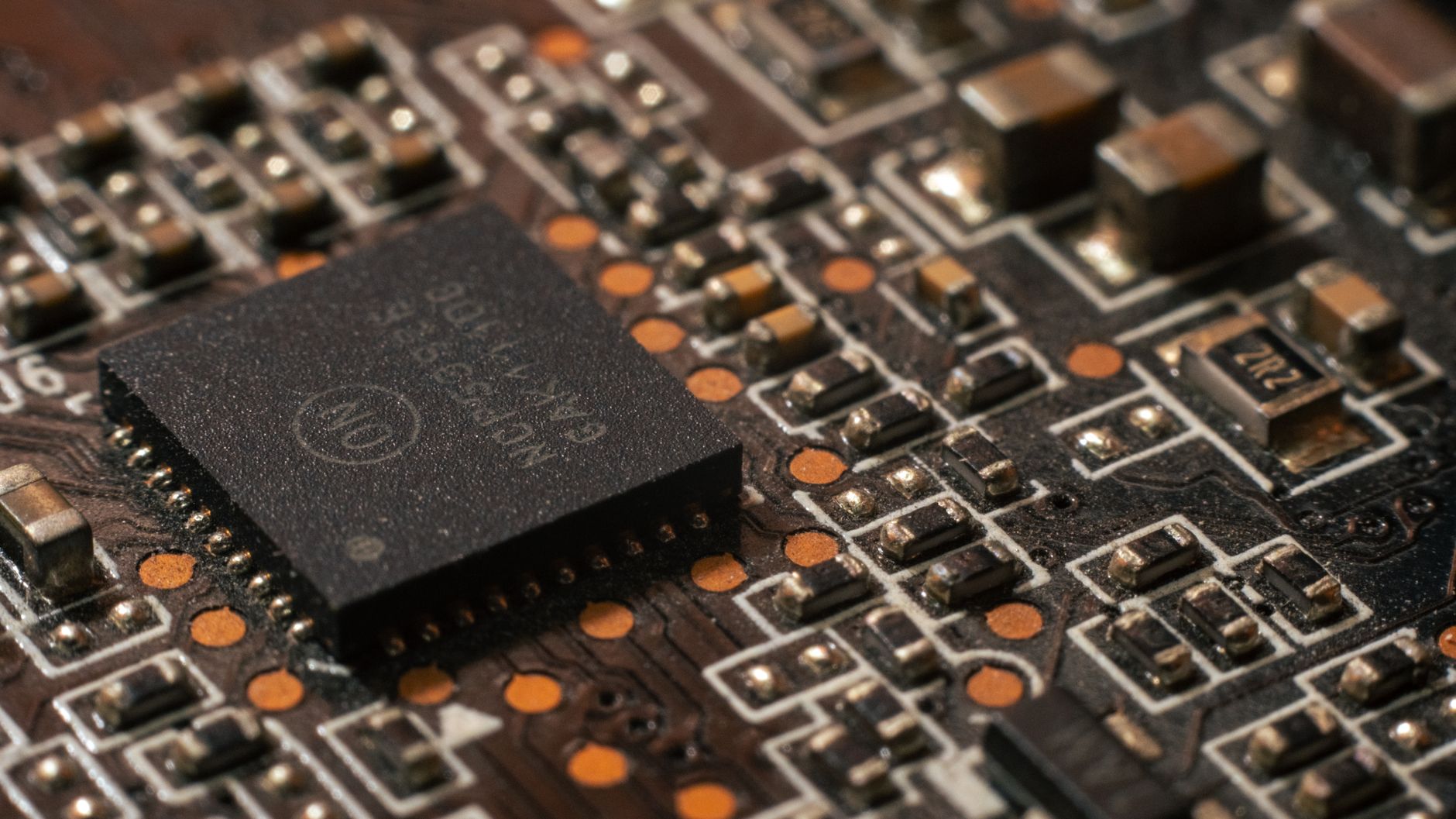
Sam Altman’s fingerprints are all over OpenAI’s latest hardware maneuver. The company just scooped up patents from Rain AI, an AI chip startup he personally backed, after talks to buy the whole outfit fell apart. That’s not a consolation prize. It’s a signal: OpenAI wants silicon expertise on its own terms, and it’s willing to cherry-pick the pieces that matter.

The Deal That Wasn’t
Rain AI, founded by former Google TPU engineers, had been building in-memory compute chips — architectures that fuse memory and processing to slash the energy cost of moving data around. Altman invested through his personal vehicle. OpenAI came sniffing for a full acquisition. Negotiations collapsed, reportedly over valuation and integration friction. Instead of walking away, OpenAI licensed the patent portfolio. That’s a masterclass in leverage: you get the IP moat without the cultural baggage or the burn rate of a hardware team you don’t know how to manage.
Why Patents Matter More Than People Here
Chip startups are graveyards for acquirers. Intel bought Nervana, Habana, and parts of Graphcore — then shuttered most of them. Nvidia swallowed Mellanox and kept the interconnect, not the roadmap. OpenAI watched this playbook. By taking patents instead of the team, they dodge the “acqui-hire” trap where brilliant engineers quit within eighteen months because they hate corporate process. The patents cover in-memory compute, sparse matrix acceleration, and dataflow scheduling — exactly the bottlenecks that make today’s H100 clusters suck down megawatts. Owning that IP lets OpenAI brief any foundry or design house on their terms, not a vendor’s.
The Altman Loop
Don’t miss the circularity. Altman backs Rain. Rain builds tech OpenAI needs. OpenAI tries to buy Rain, fails, then licenses Rain’s patents. Altman wins either way: his portfolio company gets a liquidity event, and his flagship AI lab gets strategic cover. Critics will cry conflict of interest. The board signed off. The patents moved. In Silicon Valley, that’s called alignment, not corruption. But it does concentrate power. One man’s conviction now shapes both the model layer and the substrate it runs on. That’s efficient. It’s also brittle — if the architecture bet proves wrong, there’s no internal dissent left to correct it.
What This Means for the Rest of Us
If you’re building on OpenAI’s stack, watch the hardware roadmap. Patent control means they can optimize serving paths for their own models — GPT-5, o3, whatever’s next — without begging Nvidia for custom microcode. That could lower API latency and cost. It also means they’ll eventually sell or lease that optimized infra to enterprises who want “OpenAI-grade” inference on-prem. The patent moat makes that defensible. For competitors like Anthropic or xAI, the message is clear: secure your own silicon IP or stay dependent on merchant foundries. The era of “just rent GPUs” is ending. The next frontier is who owns the instruction set.
Source: original report