Microchip Technology’s Edge AI Deal Looks Like a Lifeline, Not a Lottery Ticket
Wall Street loves a good “pivot to AI” story. The script is familiar: a sleepy hardware company announces a partnership with a buzzy software outfit, the ticker pops 15% on zero volume, and retail traders start dreaming of the next Nvidia. Microchip Technology (MCHP) just handed the market its latest audition tape. The question isn’t whether the headline sounds sexy — it’s whether the economics actually pencil out for shareholders.
The Deal Behind the Headline
Simply Wall St flagged a fresh agreement where MCHP licenses its edge-inference IP to an unnamed “major automotive OEM” for a development program targeting 2026 model-year vehicles. No upfront licensing fee was disclosed. Revenue starts as engineering-services billings, then converts to a per-unit royalty once the platform hits production. That structure tells you everything: the OEM is de-risking its own roadmap, not writing MCHP a blank check.
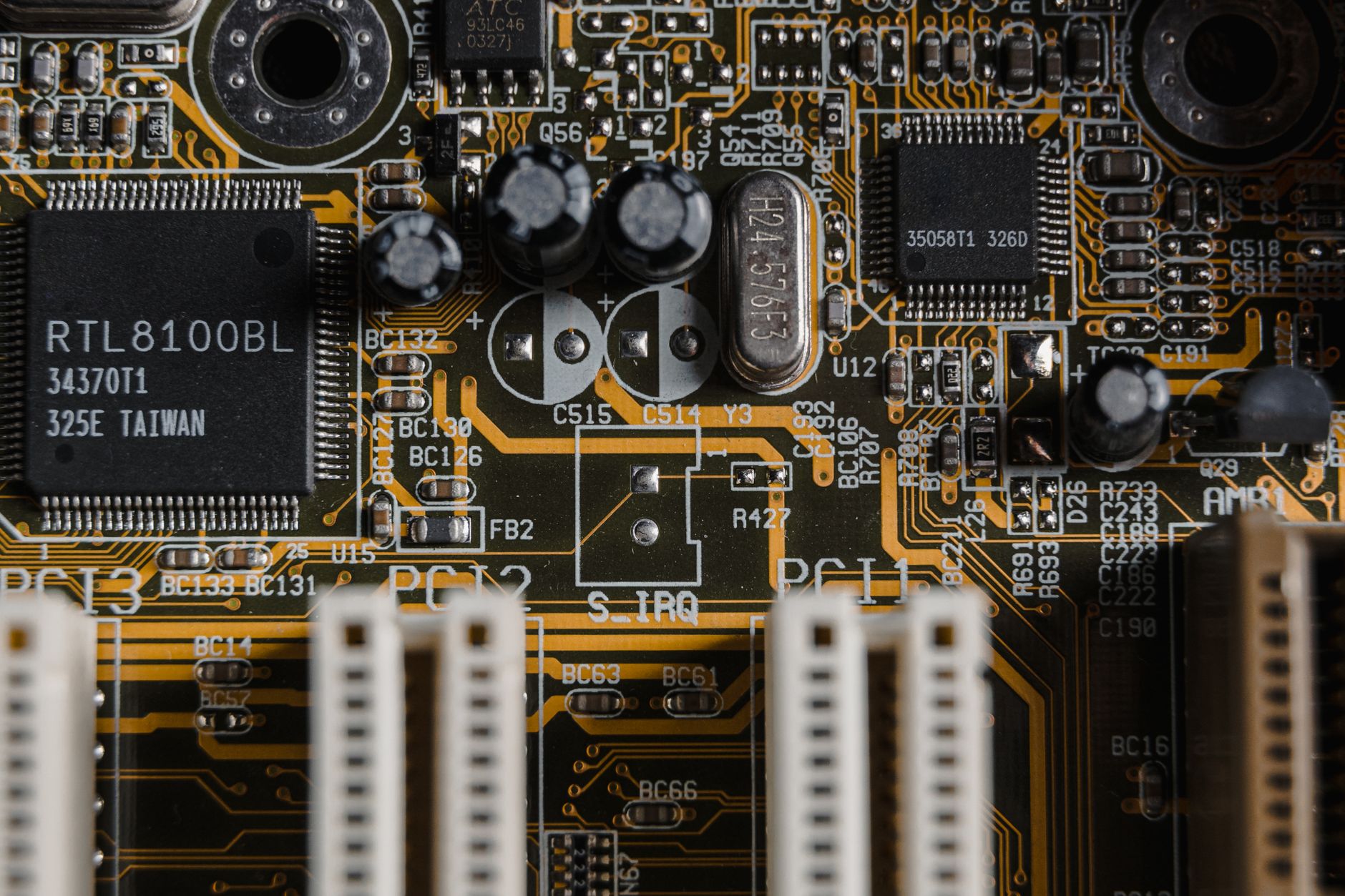
Edge AI in cars isn’t new. Tesla’s FSD computer, Mobileye’s EyeQ, and Qualcomm’s Snapdragon Ride have been shipping for years. What’s new is the scramble among Tier-2 and Tier-3 suppliers to attach “AI accelerator” to their datasheets before the next design win evaporates. MCHP’s silicon is a 28 nm mixed-signal ASIC with a tiny tensor core — fine for keyword spotting or driver monitoring, hopeless for anything resembling generative workloads. The deal is real, but the addressable market is a sliver of the total auto semiconductor pie.
Cash Flow vs. Press Releases
Look at the last three 10-Qs. Operating cash flow has been negative every quarter since 2021. R&D spend ticked up 22% last year while revenue flatlined. The company has $18 million in cash and a $40 million shelf registration gathering dust. If the automotive program scales to 500,000 units a year at a generous $15 royalty, that’s $7.5 million annually — nice, but not enough to cover the burn rate without dilution. The math only works if they stack five more design wins of similar size. Possible? Sure. Probable? The track record says otherwise.
Contrast that with Ambarella or NXP. Both turned edge AI into recurring revenue streams because they owned the full stack: silicon, toolchain, functional safety certification, and a field-application team that speaks OEM. MCHP licenses the core and farms out the safety package to a third party. Every handoff adds schedule risk and margin leakage.
What the Cap Table Isn’t Telling You
Insider ownership sits under 3%. The last equity raise came with a warrant overhang at $2.40 — current price hovers around $1.90. Every rally into the low $2s has been met with warrant exercises and at-the-market sales. Until that overhang clears, any deal-driven pop is liquidity for early investors, not compounding for new ones.
And the float is thin. Average daily volume struggles to crack 150k shares. A $500k buy order moves the tape 8%. That volatility attracts momentum algos, not fundamental holders. The day the automotive program hits a milestone — tape-out, A-sample, PPAP — the algos will front-run the 8-K, then vanish. Long-term holders get the slippage.
The Real Benchmark
Ignore the royalty projections. Watch two metrics: design-win announcements with named OEMs (not “major automotive partner”), and gross margin trajectory on the engineering-services line. If services margin stays below 30%, MCHP is a contract engineering shop masquerading as an IP company. If it climbs past 50% and they announce a second named program before year-end, the thesis shifts.
Until then, the edge AI deal is a survival bridge — not a wealth generator. Trade the volatility if that’s your game, but don’t confuse a lifeline with a lottery ticket.
Source: original report