Steam’s Latest Non-Game Release Is a Japanese Papercraft Engine That Takes Itself Very Seriously
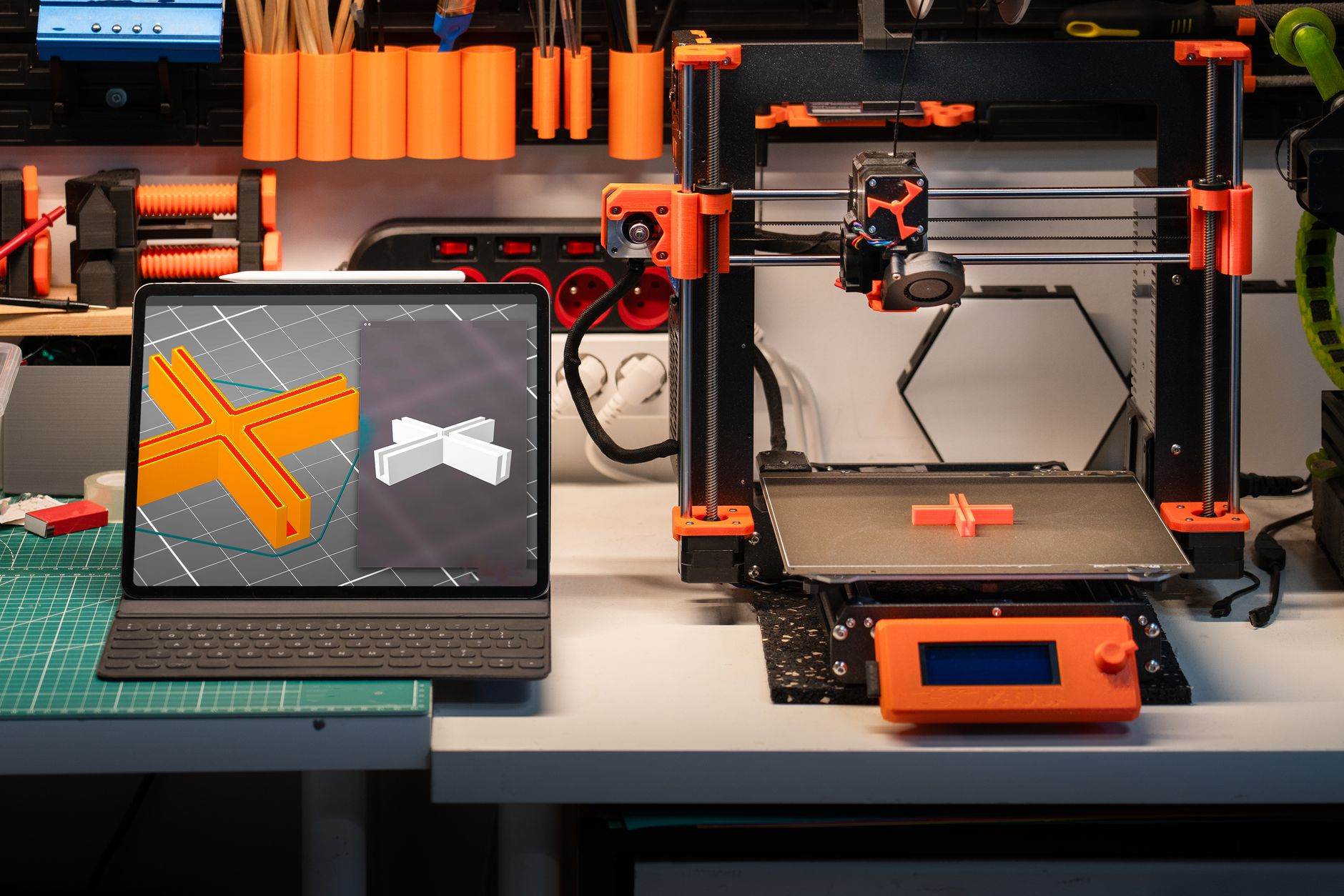
Steam has become a dumping ground for everything from tax preparation software to interactive wallpaper engines, but ePaperCraft SHIRYU might be the first title that makes you wonder whether Valve’s curation team even exists anymore. The award-winning Japanese papercraft design tool lands on the platform July 23, bringing with it a level of specialized intensity that feels almost hostile to the average user. This isn’t a casual creativity app. It’s a precision instrument for people who treat paper engineering as a discipline rather than a hobby.

The Software That Treats Paper Like Sheet Metal
Developed by Shiryu Software, the application has apparently been collecting awards in Japan’s niche digital craft competitions for years. The press release leads with “award-recognized” like it’s a Michelin star, which tells you everything about the target audience. This is software for people who own bone folders, know the grain direction of every paper stock in their studio, and have opinions on scoring tools that would bore a CNC machinist to tears.
What SHIRYU actually does: it lets you design complex polyhedral models, unfold them into printable nets with automatic tab generation, and simulate the folding sequence in 3D before you commit a single sheet to the blade. The engine handles compound curvature, non-developable surfaces, and collision detection during virtual assembly. If that sentence made your eyes glaze over, you are not the customer. The customer is currently running a small Etsy shop selling laser-cut architectural models or teaching industrial design at a technical university in Nagoya.
Why Steam? Why Now?
The Steam release raises more questions than it answers. SHIRYU has existed as a standalone Japanese-language purchase for years. The Steam version adds English localization and Steam Workshop integration for model sharing, but the core proposition remains wildly niche. Valve takes 30% of revenue. The addressable English-speaking market for professional-grade papercraft CAD software might be four thousand people on a good day. Unless Shiryu Software is treating this as a brand legitimacy play — “now available on Steam” carries weight in certain Japanese corporate contexts — the economics are mysterious.
There’s also the platform mismatch. Steam’s discovery algorithms optimize for engagement metrics that creative tools don’t generate. Nobody speedruns dodecahedron unfolding. The review system favors entertainment value over technical completeness. A one-star review because “crashes when I try to unfold a 200-face geodesic sphere” is functionally useless feedback for the developer but permanently damages the store page. This is a category error waiting to happen.
The Localization Gamble
English support is the real news here. Japanese creative software has a long history of impenetrable interfaces — think early versions of Clip Studio Paint or the original Metasequoia — where the manual assumes fluency in both the language and the underlying craft theory. SHIRYU’s Steam page shows tutorial videos with English subtitles and a translated UI. If the localization extends to the documentation — the actual mathematical papers explaining the unfolding algorithms, the material property databases, the scripting reference for parametric model generation — then Shiryu Software has done something rare: they’ve made a Japanese engineering tool accessible to the global specialist community without dumbing it down.
If they haven’t, the English release becomes a trap. A user downloads it, hits a terminology wall at “non-developable surface approximation tolerance,” refunds within two hours, leaves a negative review. The store page dies. The developer blames the Western market’s lack of appreciation. Everyone loses.
What This Means for Creative Tool Distribution
SHIRYU on Steam is a test case for a question nobody asked: can highly specialized professional creative software survive general-purpose game storefronts? The precedent is mixed. Substance Painter (now Adobe Substance 3D Painter) launched on Steam, then left. Aseprite stays but fights constant “not a game” review bombing. Blender never bothered. The economics only work if the platform brings genuine new users rather than just cannibalizing direct sales.
For papercraft specifically, the Steam Workshop integration is the only feature that makes strategic sense. Model sharing communities currently live on fragmented forums, Discord servers, and personal GitHub pages. A centralized, versioned, dependency-tracked repository with automatic update notification — that’s infrastructure the community genuinely lacks. If SHIRYU’s Workshop implementation supports parametric model families (“here’s a dodecahedron generator with adjustable edge length and tab geometry”) rather than static STLs, it could become the de facto standard library for the discipline. That’s a defensible moat.
The Price Signal
No price announced yet. The Japanese standalone license runs approximately ¥15,000 (roughly $100) for perpetual use with paid major version upgrades. Steam regional pricing will likely land it between $80-120. That’s professional tool pricing, not consumer app pricing. It correctly signals “this is for people who make money with this” but also creates a refund risk window: two hours is nowhere near enough time to evaluate a CAD-adjacent application. Expect forum threads titled “How do I get a refund after 3 hours?” within the first week.
Bottom Line
SHIRYU on Steam is either a brilliant community infrastructure play wrapped in a questionable distribution decision, or a category error by a developer who overestimates Steam’s ability to surface niche professional tools. The software itself — by all accounts from the Japanese maker community — is genuinely excellent at its narrow thing. The English release deserves to exist. Steam might not be the right home for it. But if the Workshop integration works as a genuine model library rather than a screenshot gallery, the platform might accidentally justify its 30% cut for once.
July 23 will tell. Watch the store page’s first hundred reviews. They’ll reveal more about Steam’s fitness for professional creative distribution than any Valve blog post ever has.
Source: original report