China’s AI Alliance Is a Geopolitical Power Play, Not Just Tech Cooperation
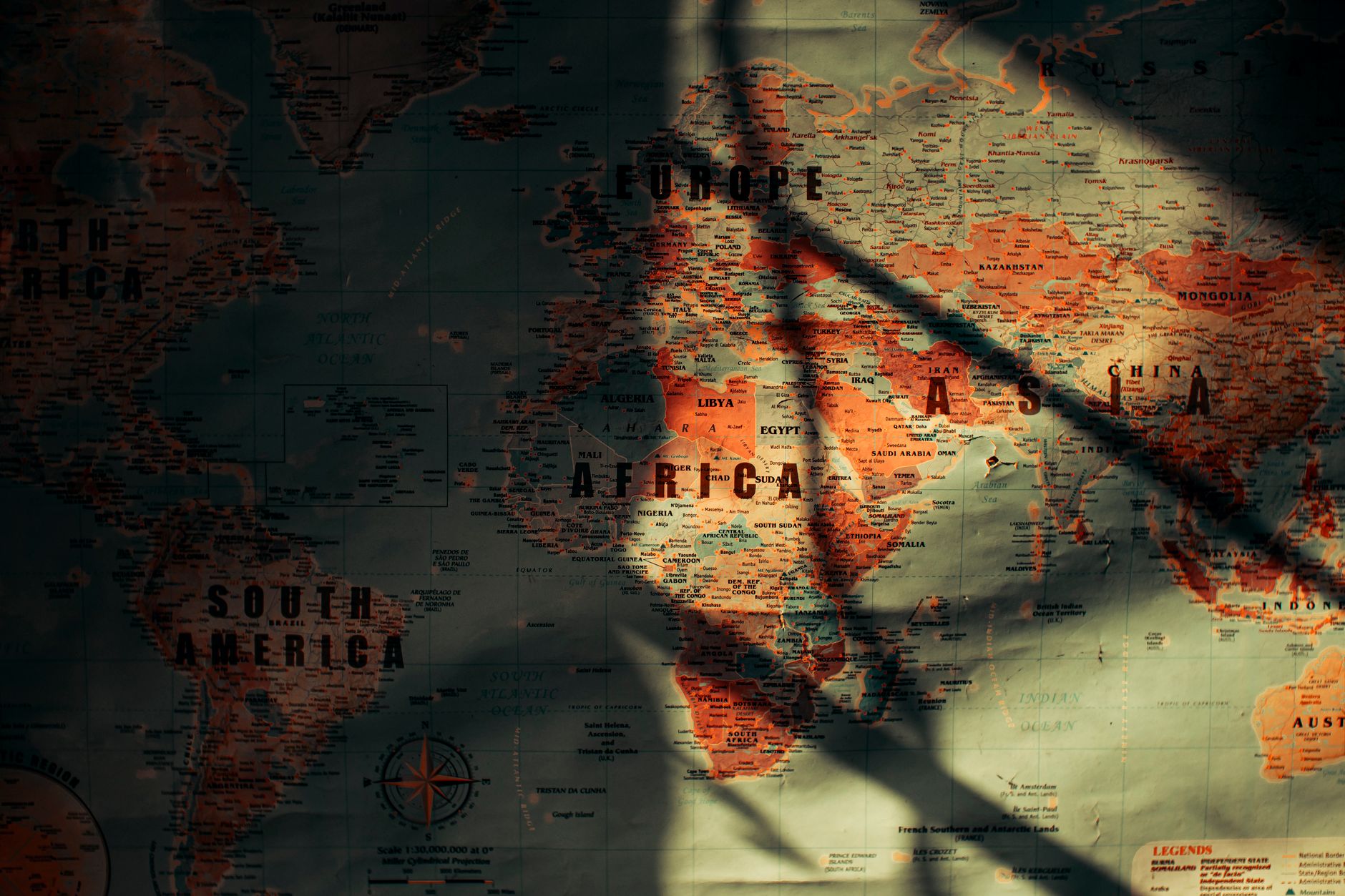
When Xi Jinping stands up at a summit and announces a new international AI alliance, the tech press treats it like another standards body. That’s a mistake. This isn’t about interoperability or shared research. It’s about locking in a sphere of influence before the West finishes its own rulebook.

The Announcement Nobody Asked For
China’s leader unveiled the “AI Capacity-Building Action Plan for Good and for All” at the G20 summit in Rio de Janeiro. The name alone tells you everything: it’s branded as development aid, not competition. The alliance targets the Global South — Africa, Southeast Asia, Latin America — offering AI infrastructure, training, and governance frameworks. On paper, it looks generous. In practice, it’s a subscription model where the currency is data sovereignty.
Western analysts keep missing the pattern. The Belt and Road Initiative started with ports and highways. Then came digital silk roads: 5G, surveillance clouds, BeiDou navigation. AI is the application layer. Whoever provides the models, the compute, and the regulatory template gets to define what “responsible AI” means for the next generation of users. Beijing knows this. Washington is still debating export controls on H100s.
Why the Global South Is Listening
Kenya doesn’t need a lecture on existential risk. It needs crop-disease detection that works on a $200 phone. Indonesia needs flood prediction that doesn’t require a Stanford PhD to maintain. China’s pitch: we’ll give you the whole stack — models, chips, training centers — and we won’t attach human-rights conditionality. The West’s pitch: here’s a PDF of ethical principles, good luck buying GPUs.
- Huawei Cloud already runs AI labs in Kenya, South Africa, and Egypt.
- Alibaba’s ModelScope serves Southeast Asian developers with localized LLMs.
- China’s “AI Plus” initiative has committed $140 billion to domestic compute — surplus capacity gets exported.
This isn’t charity. It’s developer capture. Every engineer in Jakarta or Nairobi who builds on a Chinese framework becomes a node in Beijing’s ecosystem. Switching costs later? Astronomical.
The Standards Trap
Here’s the part that should keep Western policymakers awake: technical standards are regulatory capture by another name. If the alliance adopts Chinese-defined benchmarks for “algorithmic fairness” or “data localization,” those become de facto law in member states. The EU’s AI Act took three years to negotiate. China’s alliance can push a standard through in three months because the power asymmetry is baked in — the provider sets the rules.
We’ve seen this movie. 5G standards. Surveillance camera protocols. Smart-city data formats. Each time, Chinese-led bodies (ITU study groups, ISO working groups) produced specs that favored Chinese architectures. The AI alliance is the same play at a higher layer of the stack.
What a Real Response Looks Like
The answer isn’t another G7 working group. It’s not a rival alliance with a longer acronym. It’s ruthless pragmatism: flood the zone with usable, open-weight models that run on affordable hardware. Fund compute vouchers, not position papers. Send engineers, not diplomats. Make the switching cost zero.
America’s open-source lead is real — Llama, Mistral, Phi — but it’s fragile. Meta can close Llama tomorrow. Mistral is French (good) but small. The U.S. government treats open weights as a security risk; China treats them as a distribution channel. That inversion decides the next decade.
Xi’s alliance won’t “win” AI. Technology doesn’t work that way. But it will lock in a billion users on a stack where Beijing writes the defaults. Once defaults harden, they become norms. Norms become law. And law is the hardest code to refactor.
Source: original report