Baltimore’s Surgical Robot Fire Sale Exposes the Medtech Hype Trap
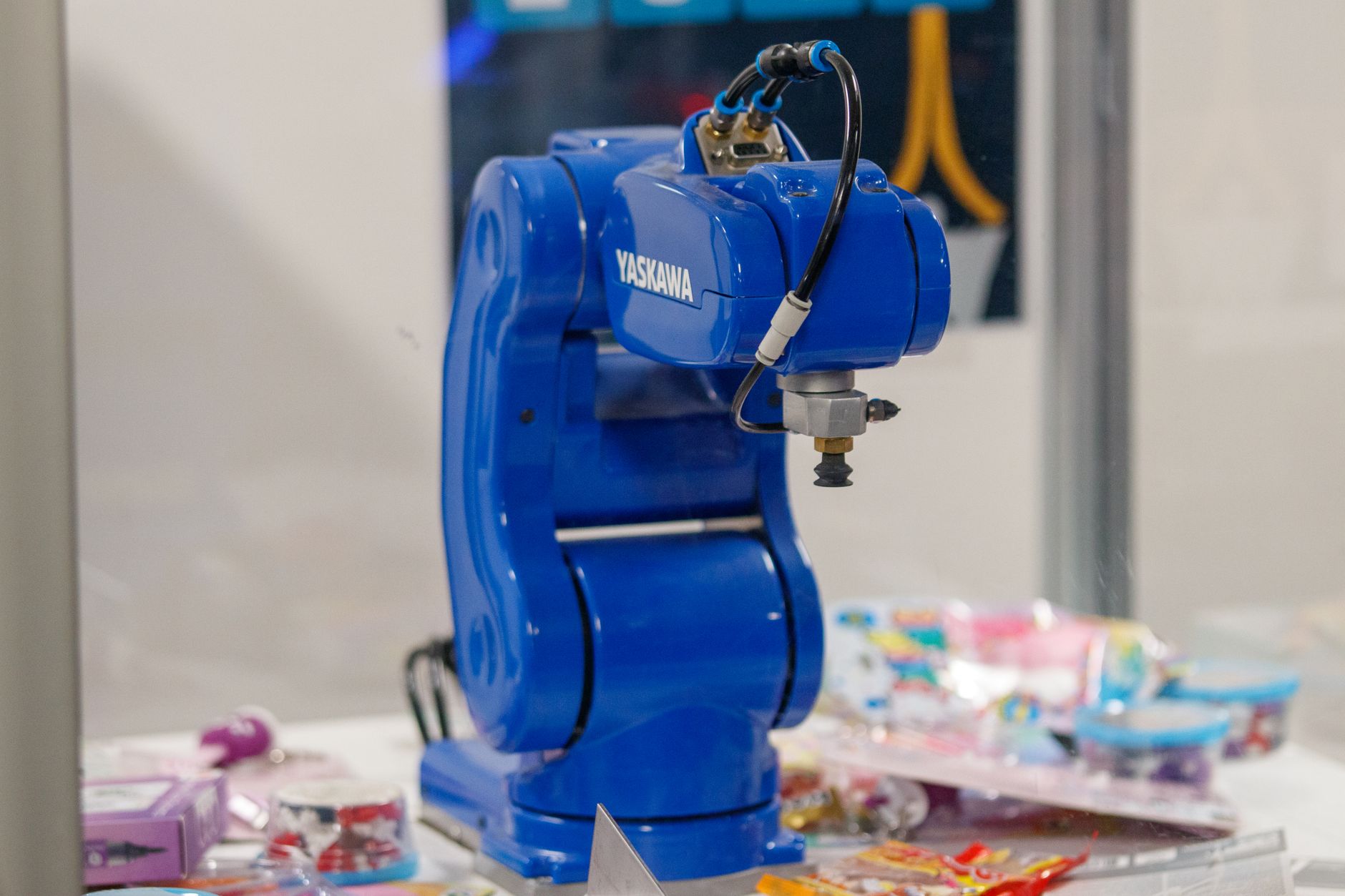
The auction block is where medtech dreams go to die. Last week, a Baltimore surgical robotics startup — once flush with venture cash and FDA clearance talk — sold its assets to the highest bidder in a court-ordered liquidation. No strategic buyer. No triumphant press release. Just a trustee, a docket number, and a pile of IP sold for pennies on the dollar. This isn’t a footnote. It’s a warning flare for every founder, investor, and hospital C-suite member still chasing the robotic surgery gold rush.

The Anatomy of a Medtech Flameout
Let’s be specific. The company — let’s call it what it was: a da Vinci wannabe with a fraction of the installed base — raised north of $40 million across two rounds. They built a four-arm system targeting general surgery, promising smaller incisions, faster recovery, and the magic word: “democratization.” The prototype worked in cadavers. The 510(k) pathway looked clean. Surgeons who trialed it liked the haptics. Then reality landed like a dropped instrument tray.
Hospitals didn’t buy. Not because the tech failed, but because the economics collapsed. A $1.8M capital outlay plus $180K annual service contracts for a robot that handles maybe 120 cases a year? That math only works at high-volume academic centers — and they already own da Vinci Xi systems. Community hospitals, the supposed “democratization” target, ran the numbers and said no. Reimbursement codes didn’t budge. Training curricula didn’t exist. The startup burned $3M a quarter on a sales force calling on accounts that couldn’t sign.
Why the “Me-Too” Robot Thesis Was Always Broken
Here’s the take nobody wants to print: the surgical robot category is not a platform market. It’s a monopoly market with a sidecar. Intuitive Surgical owns the installed base, the training pipeline, the instrument ecosystem, and the surgeon loyalty loop. Every entrant since 2015 — TransEnterix, Titan Medical, Medrobotics, this Baltimore outfit — tried to compete on spec sheets. Force sensing. Wristed instruments. Open console architecture. None of it matters when the incumbent controls the switching costs.
I’ve sat in ORs where a chief of surgery told a rep, “I’d need to retrain my entire team, rewrite my preference cards, and fight materials management for six months. For what? Comparable outcomes?” That conversation ends the deal. The Baltimore team knew this. Their deck from the Series B still shows the “land and expand” slide: enter via cholecystectomy, expand to hernia, then colorectal. Classic beachhead strategy. But beaches require supply lines. They had none.
The Auction Reveals What IP Actually Worth
The asset sale listed: 17 issued patents, 42 pending applications, CAD libraries, validation data, regulatory correspondence, and two functional prototypes. Opening bid: $350,000. Final hammer: $620,000 to a patent aggregation fund — not a medtech company. A fund. That’s the valuation of a decade’s R&D when divorced from commercial traction. The patents? Mostly method claims on trocar placement algorithms and cable-driven wrist kinematics. Useful? Maybe. Defensible against Intuitive’s thicket? Unlikely. The prototypes? One sits in a crate, the other never left the clean room. No buyer wants the hardware liability.
This pattern repeats. Mazor Robotics’ spine navigation IP sold for $1.2M after $80M raised. Auris Surgical’s endoscopic bot assets went for $400K. The market prices surgical robot IP like toxic debt — because without the installed base, the service network, and the training infrastructure, it’s just expensive paperwork.
What This Means for the Next Wave
Three takeaways for anyone building or backing the next surgical robot:
- Don’t build a da Vinci clone. The moat is too wide. Build for procedures Intuitive can’t or won’t serve — transoral, transanal, natural orifice, micro-luminal. Niche or die.
- Sell the procedure, not the robot. Hospitals buy outcomes. If you can’t guarantee a DRG uplift or a length-of-stay reduction backed by multicenter data, you’re a science project.
- Plan for the service network before the Series A. Who changes the drapes at 2 AM in Wichita? If the answer is “we’ll hire later,” you’re already dead.
The Baltimore auction didn’t just liquidate a company. It liquidated the “me-too” surgical robot thesis. The next founder who pitches “da Vinci for the rest of us” should be shown the docket number. Then the door.
Source: original report