Hephae’s $17.8M Bet on Superhot Rock Could Finally Crack Geothermal’s Depth Problem
Drilling through miles of crystalline basement rock at 400°C isn’t a materials science problem — it’s an economics problem. Hephae Energy Technology just closed a $17.8 million Series A to prove the numbers work. The Cambridge, Mass. startup is betting that millimeter-wave directed energy can vaporize granite faster than rotary bits grind it, and that the resulting superhot steam will finally make deep geothermal competitive with combined-cycle gas. If they’re right, the 2020s become the decade we stop treating the Earth’s crust as a thermal battery we’re too afraid to tap.
Why Rotary Drilling Hits a Hard Ceiling
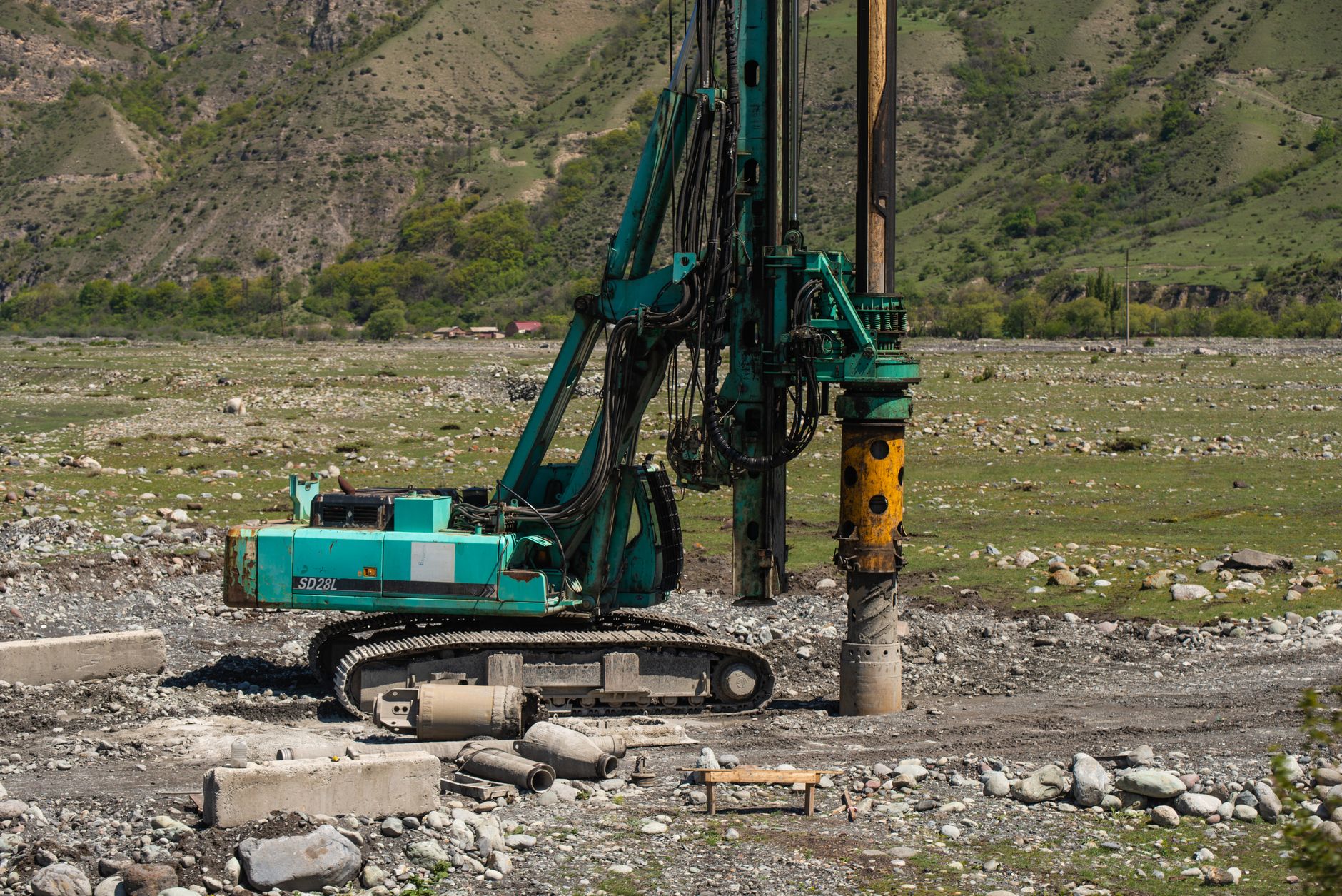
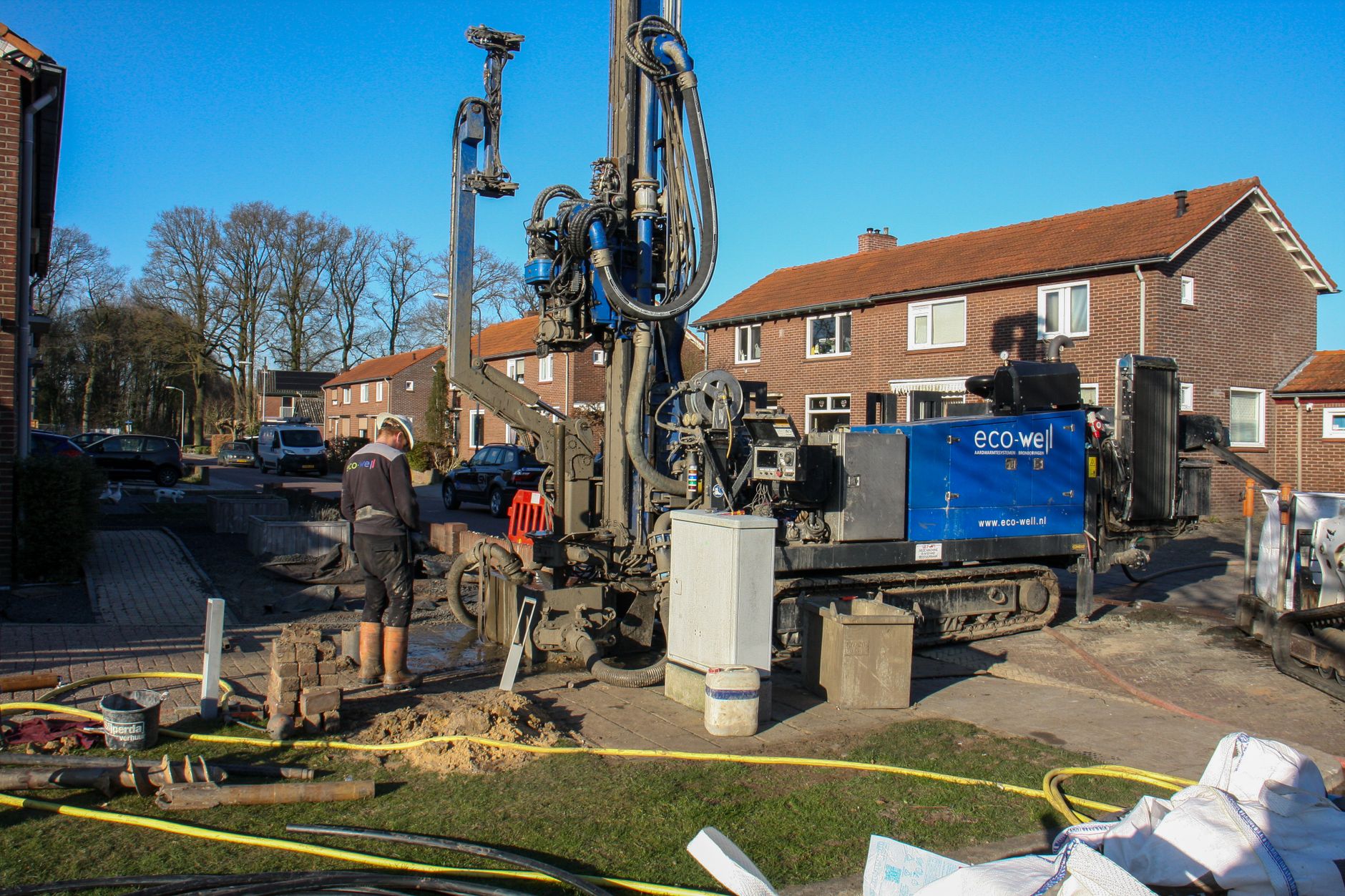
Conventional tri-cone bits chew through sedimentary basins at $200–$400 per foot. Once you hit crystalline basement — the stuff that holds 400°C+ at 8–12 km — penetration drops to meters per day and bit changes cost six figures each. The DOE’s 2019 GeoVision study showed that reaching 500°C rock accounts for 65% of a superhot EGS project’s capex. Hephae’s gyrotron-sourced 28 GHz beam, by contrast, couples directly into silica lattice vibrations. Lab tests at MIT’s Plasma Science and Fusion Center showed 10× penetration rates in Barre granite with zero mechanical contact. No bits. No mud motors. No tripping pipe to change a dull cutter.
The Physics That Makes Millimeter-Wave Different
Laser drilling has been a garage hobby since the 1970s. Near-IR and CO₂ wavelengths reflect off mineral surfaces or create glassy slag that shields the rock beneath. Millimeter-wave sits in a sweet spot: water vapor and silicate bonds absorb it strongly, while the waveguide itself — a corrugated HE₁₁ mode pipe — propagates kilometers with <0.5 dB/km loss. Hephae's field-deployable unit fits inside a standard 20-foot ISO container. The gyrotron runs at 42% wall-plug efficiency, fed by a 1.5 MW containerized generator. That's diesel-truck logistics, not national-grid infrastructure.
What $17.8M Actually Buys
The round — led by Prelude Ventures with participation from Engine Ventures, Safar Partners, and the Grantham Foundation — funds three milestones: a 500-hour full-power gyrotron endurance run, a 1,500-meter vertical hole in Newberry Volcanic Monument basalt, and a techno-economic model validated by NREL. That last piece matters more than the hardware demo. Investors have seen spallation drills, plasma bits, and chemical flame jets all work in the lab. None survived the “cost per thermal megawatt” spreadsheet. Hephae’s co-founder Aria Behfar told me their target is $1.2M per well at 10 km — half the current rotary baseline. If the Newberry hole hits that number with repeatable casing integrity, the Series B writes itself.
Superhot Isn’t Just Hotter — It’s a Different Product
Conventional hydrothermal tops out around 200°C. That’s flash steam, 12–15% thermal efficiency, and you’re married to binary ORC turbines that hate load-following. Superhot (374°C+, 22 MPa) crosses water’s critical point. Single-phase turboexpanders hit 35% net efficiency and ramp like gas peakers. A 50 MW superhot plant on 4 km² delivers baseload *and* dispatchable capacity — no lithium required. The U.S. West alone has 500 GW of superhot resource at <10 km depth. That's three times the current nuclear fleet. Hephae isn't drilling for heat; they're drilling for a grid asset that solves the duck curve without batteries.
The Risk Nobody Talks About
Casing. Millimeter-wave leaves a glassy, near-gauge borehole — beautiful for cement bond, terrible for differential thermal expansion when 450°C steam hits 20°C kill-weight mud during a kick. Hephae’s solution is a proprietary aluminosilicate geopolymer they claim sets in 90 seconds at 300°C. I’ve seen the rheology data; it’s promising. But a single casing failure at 8 km buries the economics. The Newberry test must run thermal cycles, not just penetrate. Prelude’s term sheet reportedly includes a casing-integrity gate before the second tranche releases. Smart money.
Why This Round Matters Beyond Hephae
Quaise, AltaRock, and GA Drilling are all chasing the same physics with different waveforms. Hephae’s gyrotron approach is the only one using off-the-shelf fusion-program components — the same tubes that heat ITER’s plasma. That supply chain exists. It’s certified. It scales. If Hephae hits $1.2M/well, the entire superhot sector re-rates from “science project” to “infrastructure play.” Pension funds allocate. Permitting frameworks standardize. The 2030s become the build-out decade. $17.8M is pocket change for that outcome. The real question isn’t whether the physics works — it’s whether the casing survives the first thermal shock. We’ll know by Q3 2026.
Source: original report