A High School Just Built a Better Creative Tech Lab Than Most Colleges
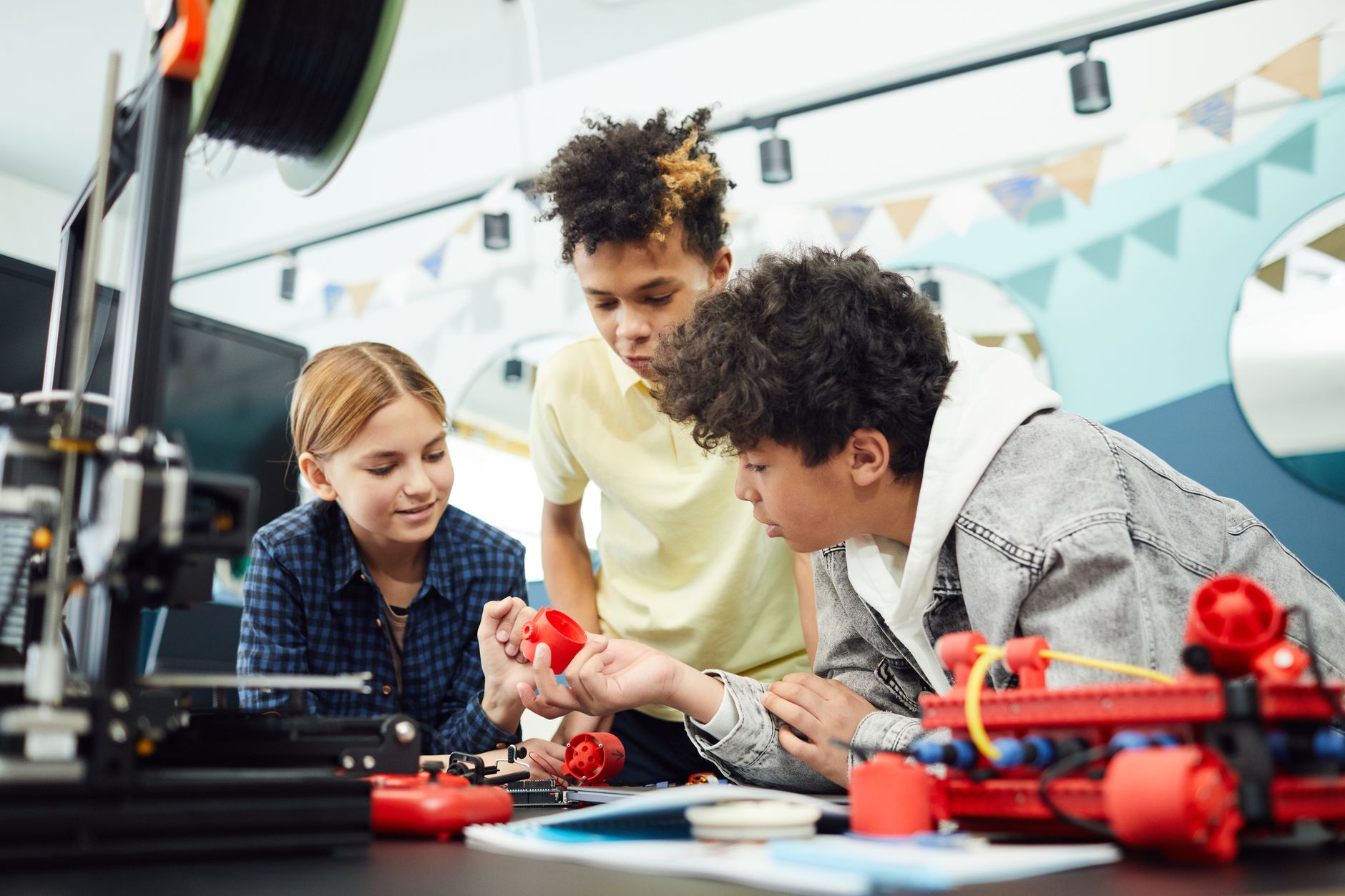
Most high school computer labs still smell like dust and outdated Dell towers. Maranatha High in Pasadena just flipped that script. Their new TILE Summer Studio — Technology, Innovation, Learning, and Entrepreneurship — isn’t another coding bootcamp clone. It’s a full-blown creative technology studio that puts professional-grade tools in teenagers’ hands and tells them: build something that matters.

The Studio Model Beats the Classroom Model
Here’s what separates TILE from every other STEM initiative I’ve seen cross my desk: they’re not teaching about technology. They’re letting kids work inside it. The studio houses 3D printers that don’t jam, a laser cutter that actually cuts, VR rigs that don’t induce nausea, and — this is key — mentors who’ve shipped real products. Not adjunct professors. People who’ve wrestled supply chains, argued with investors, and watched users ignore their carefully crafted onboarding flows.
I visited a similar program at a private school in Austin last fall. The difference? That program ran on a $2M grant and still had students waiting 45 minutes for printer time. Maranatha built TILE on a fraction of that budget by partnering with local Pasadena tech companies — Jet Propulsion Laboratory alumni, ArtCenter grads, a handful of Y Combinator founders who grew up in the San Gabriel Valley. They traded equity in future student ventures for mentor hours and equipment access. Smart. Scrappy. Replicable.
Why “Entrepreneurship” Isn’t a Buzzword Here
TILE’s fourth pillar gets eye-rolls in ed-tech circles. Everyone slaps “entrepreneurship” on grant applications. But watch what happens when a 16-year-old realizes their Arduino-powered air quality sensor could actually help their asthmatic little sister. That’s not a pitch deck exercise. That’s product-market fit discovered through lived experience.
- Week one: students identify a problem in their own neighborhood — traffic at the Colorado Street bridge, lack of shade at Madison Elementary’s playground, the way the 210 freeway noise bleeds into AP Calculus classes.
- Week three: they’ve prototyped solutions using the studio’s CNC router and sensor kits.
- Week six: they’re presenting to actual city planners and a pediatrician from Huntington Hospital.
That pipeline — problem, prototype, stakeholder feedback — is exactly what my senior engineers at a Series B startup struggle to internalize. These kids are doing it before they’ve taken the SAT.
The Hidden Curriculum Nobody Talks About
Nobody’s mentioning the soft skills because they’re not soft. A student whose laser-cut enclosure doesn’t fit their PCB learns mechanical tolerance the hard way. The team whose VR experience makes users nauseous learns UX research when they watch real people rip off headsets. The founder who promises a working demo by Friday and delivers a slide deck instead learns credibility costs.
These are the lessons that show up in GitHub commit histories and Slack threads five years later. Maranatha’s administration gets credit for not sanitizing the failure modes. The studio’s “wall of glorious failures” — a physical display of melted prints, shorted circuits, and rejected app store submissions — does more for resilience than any growth mindset poster.
What This Means for the Rest of Us
If you’re a parent: ask your school why their makerspace (if they have one) is locked behind a teacher’s keycard and only opens for robotics club. If you’re an employer: start recruiting from programs like TILE, not just CS degree mills. The kid who debugged a loose stepper motor driver at 17? They’ll debug your production Kubernetes cluster at 22 with less hand-holding.
If you’re in ed-tech policy: stop funding equipment lists. Fund mentor networks. Fund studio managers who know the difference between a Prusa and a Bambu. Fund the operational knowledge that keeps machines running and students unblocked.
Maranatha didn’t wait for a state initiative or a federal grant cycle. They called former students, leaned on local industry, and built something that looks more like a seed-stage accelerator than a summer school. That’s the model. Not the curriculum. Not the equipment list. The posture — we have tools, we have problems, we have mentors who’ve solved hard things. Go.
My bet: three years from now, the most interesting technical hires coming out of Pasadena won’t have CalTech or Harvey Mudd on their resumes. They’ll have TILE Summer Studio ’26. And they’ll ship faster than the PhDs.
Source: original report