Syntiant’s IPO Filing Reveals What Big Tech Really Thinks About Edge AI
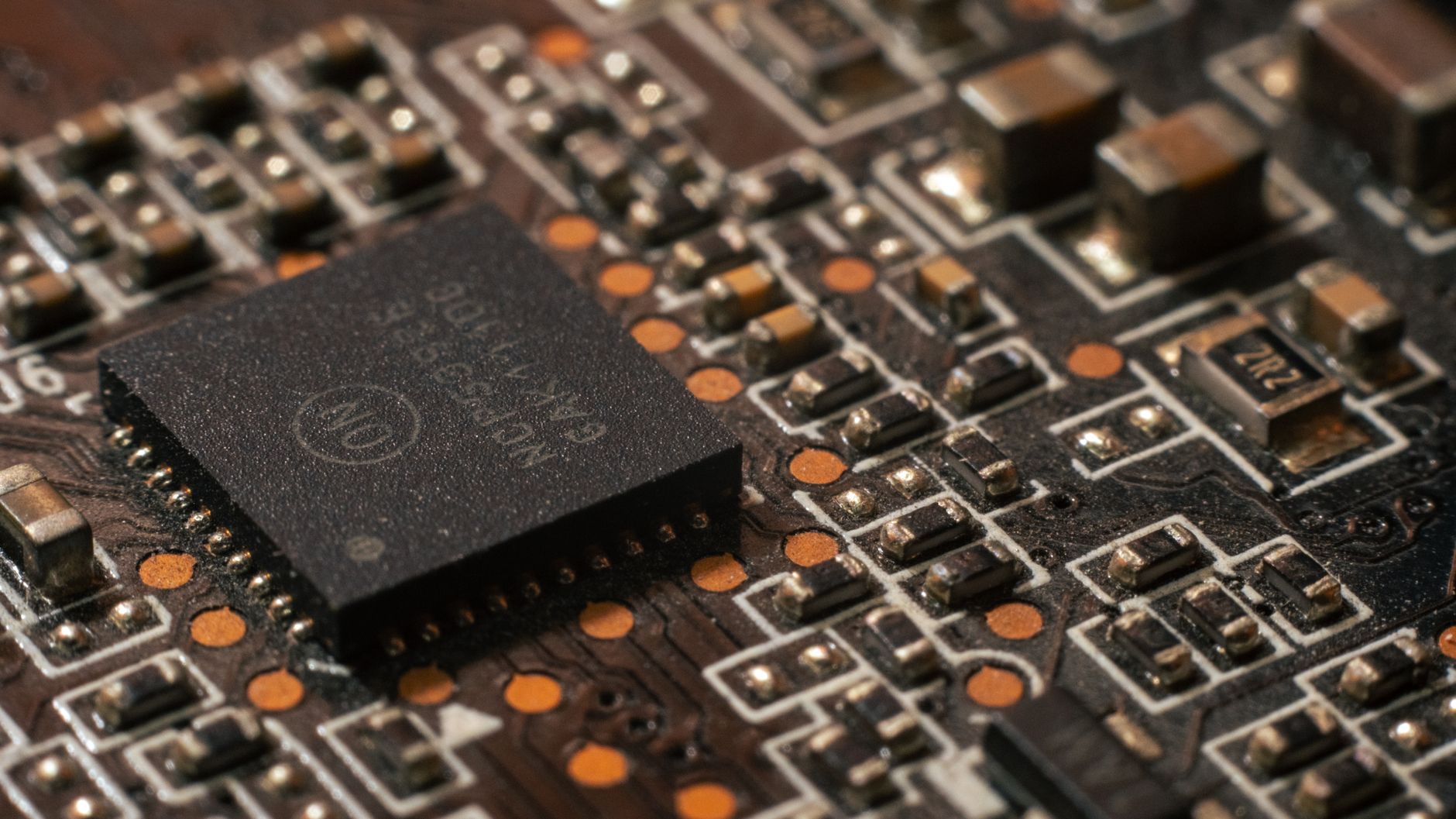
Intel and Microsoft don’t throw capital at every AI hardware startup that crosses their desks. When both giants back the same chip company — and that company files confidentially for a U.S. IPO — the signal is worth decoding. Syntiant, the Irvine-based maker of ultra-low-power neural decision processors, just took that step. The filing itself stays under wraps, but the cap table tells a story the prospectus will only elaborate: the industry’s heaviest hitters are betting that the future of AI isn’t in the data center. It’s in the earbud, the thermostat, the factory sensor, and the security camera that needs to recognize a face without phoning home to AWS.
The Architecture Bet That Matters
Most AI chip startups chase TOPS — trillions of operations per second — like it’s a high-score leaderboard. Syntiant took a different road. Their NDP (Neural Decision Processor) architecture targets microwatts, not megawatts. The NDP120, their flagship, runs keyword spotting, person detection, and sensor fusion at under 1 milliwatt. That’s not a spec sheet typo. It’s the difference between a smart doorbell that lasts six months on a battery versus one that needs a wired transformer.
Intel Capital led Syntiant’s Series C in 2021. Microsoft’s M12 followed in the Series D. These aren’t passive checks. Intel’s foundry services group has quietly explored packaging Syntiant’s dies alongside its own low-power CPUs. Microsoft, meanwhile, has integrated Syntiant’s models into Azure Percept and the TinyML toolchain for Azure IoT Edge. The partnership runs deeper than a logo slide.
Why the IPO Now?
Timing looks deliberate. The AI hardware IPO window slammed shut in 2022 after Cerebras and Graphcore stumbled on public-market readiness. But Syntiant’s revenue profile differs fundamentally. They’re not selling $500K training accelerators to hyperscalers. They’re shipping millions of $2-$5 chips into consumer electronics, industrial IoT, and automotive Tier-1s. That volume model — recurring, diversified, sticky — resembles a semiconductor play more than a science project.
Confidential filing under the JOBS Act lets them test investor appetite without exposing quarterly volatility. Smart. The semiconductor cycle turned ugly in late 2023; inventory gluts at distributors like Digi-Key and Mouser crushed margins for analog and MCU vendors. Syntiant’s design wins in always-on audio and vision sensing — think Amazon Alexa devices, Google Nest cameras, and Bosch sensor hubs — likely insulated them from the worst. The filing suggests they’ve hit a revenue inflection that withstands scrutiny.
The Competitive Reality Check
Let’s not romanticize this. Syntiant fights a three-front war. Front one: general-purpose MCUs adding vector extensions. Arm’s Helium, RISC-V’s V-extension, and Cadence’s Tensilica DSPs all now run TinyML workloads “well enough” for many OEMs. Front two: dedicated NPU blocks inside SoCs from MediaTek, Qualcomm, and Nordic Semiconductor. Why buy a discrete chip when the application processor already has 2 TOPS of INT8? Front three: analog compute startups like Mythic and Aspinity claiming even lower power. Mythic’s bankruptcy filing last year should haunt every investor deck in this space.
Syntiant’s moat isn’t the architecture alone. It’s the software stack — the model quantization pipeline, the on-device training framework, the dataset curation tools — that lets a firmware engineer deploy a custom wake-word model in an afternoon instead of a quarter. That developer velocity matters more than peak TOPS when the customer is a Tier-2 appliance maker with three ML engineers total.
What the Backers Actually Want
Intel needs a pathway to the edge that doesn’t require x86. Their discrete GPU push (Arc) targets clients and servers, but the micro-edge — sub-10mW — remains a blind spot. Syntiant fills it without competing with Intel’s core roadmap. Microsoft needs Azure IoT Edge to run models offline credibly. Syntiant’s chips make that promise tangible. Both get a front-row seat to the next generation of AI-native devices without acquiring the company outright.
That’s the tell. If either strategic wanted to own Syntiant, they’d have moved by now. The IPO suggests alignment on independence — a public company that remains a neutral supplier to the ecosystem, not a captive division. That neutrality is Syntiant’s commercial superpower. They sell to Google and Amazon, to Bosch and Honeywell, to Samsung and LG. An Intel-owned Syntiant loses half that customer base overnight.
Watch the Float, Not the Hype
Retail investors will fixate on the AI ticker symbol and the Intel/Microsoft halo. Professionals will model three variables: gross margin trajectory as volumes scale past 100M units/year, R&D intensity to keep the architecture ahead of integrated NPUs, and customer concentration risk — the top three OEMs likely represent 40%+ of revenue. The prospectus will reveal whether Syntiant’s design wins are socketed (multi-generation commitments) or opportunistic (single-product, price-sensitive).
Also watch the lockup expiration. Strategic investors from Series C/D — Intel Capital, M12, Applied Ventures, Bosch Ventures — hold significant positions. Their distribution timeline will pressure the stock regardless of fundamentals. A disciplined investor waits for that overhang to clear.
Syntiant’s IPO isn’t just another AI chip debut. It’s a referendum on whether the edge AI market has matured from science projects to sustainable semiconductor businesses. The backing says yes. The financials will confirm or deny. Either way, the sector’s center of gravity keeps shifting away from the cloud — and that’s the only trend that matters.
Source: original report