Forget SpaceX: Tiny Pods Are About to Turn Space Into a Research Lab
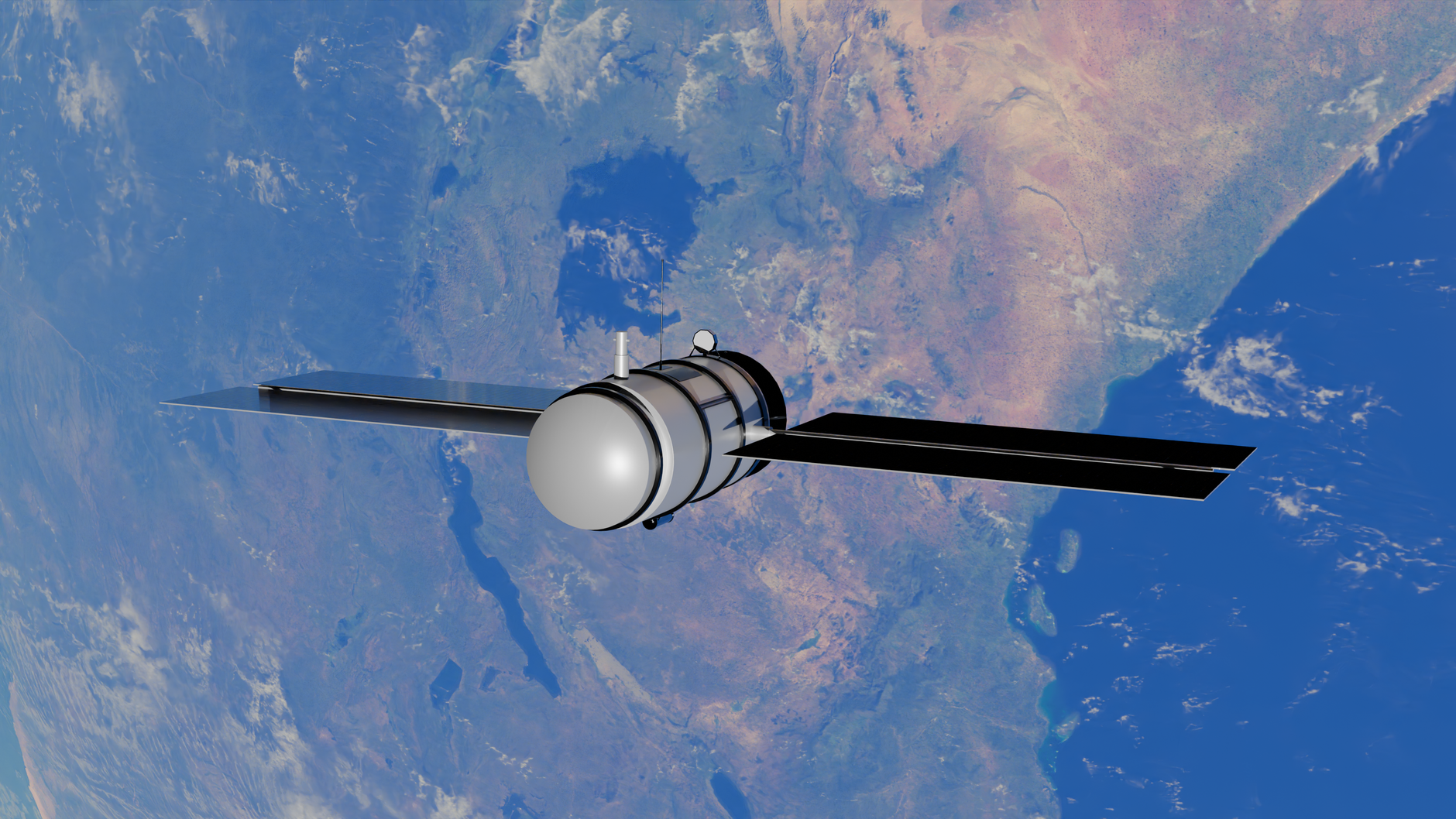
Space has always been a domain for giants. You think of the colossal rockets, the sprawling government agencies, the billionaire vanity projects. But the real frontier for discovery isn’t just about flags and footprints. It’s about the bizarre, transformative physics of microgravity—where liquids form perfect spheres, flames burn as blue orbs, and cells grow in ways impossible on Earth. The catch? Accessing that environment has been astronomically expensive and reserved for a select few. That’s about to change.

A new class of startup is cutting the ribbon on orbital research, and they’re not launching a space shuttle. They’re launching a coffee-cup-sized container. Companies like Space Forge and Varda Space Industries are perfecting compact, autonomous “pods” designed for one purpose: to return to Earth with experiments conducted in microgravity. This isn’t tourism; it’s industrial science in orbit.
The Orbital Factory Floor
The core idea is elegantly simple. These small, standardized pods—some no bigger than a shoebox—hitch a ride on a larger rocket as secondary payload. Once in orbit, they deploy, run their pre-programmed experiments (growing perfect crystals for semiconductors, testing new drug compounds, forging unique alloys), and then autonomously re-enter Earth’s atmosphere. A parachute deploys, and a drone catches the pod mid-air. It’s a round trip, not a one-way launch.
Think of it as a subscription service for space research. Instead of buying a seat on a billion-dollar International Space Station mission, a biotech firm could book a week on an orbital pod for a fraction of the cost. This model fundamentally changes the math. The value proposition shifts from “Can we afford to go to space?” to “Can we afford the potential breakthroughs we’re missing?”
More Than Just Floating
The fascination with microgravity often starts with pretty visuals, but the real power is in material science and biology. On Earth, gravity causes convection, sedimentation, and structural stress. In its absence, you get a pure, uncontaminated environment.
- Pharmaceuticals: Protein crystals grown in microgravity are larger and more perfectly structured, making it dramatically easier to map their shape for targeted drug design. This could accelerate cures for diseases like Parkinson’s or ALS.
- Advanced Materials: Imagine creating a fiber optic cable with zero flaws or a metal alloy that’s never been possible because gravity pulled the heavier elements down during cooling. These pods are miniature foundries for the impossible.
- Bioprinting: The promise of 3D-printing human organs is severely hampered by gravity, which collapses delicate, soft structures as they’re built. In orbit, you could theoretically print a complex, viable heart.
The catch with previous attempts was getting the results back. You could launch a sample, but retrieving it was a separate, costly mission. These new pods solve the return problem. The entire value is in the data and the physically transformed material that comes back.
The Downside of the Dream
This isn’t a frictionless future. The re-entry process is incredibly violent—extreme heat and G-forces that can destroy the very experiments you sent up. Engineering a pod that can survive that gauntlet while keeping its contents pristine is a monumental challenge. There’s also the regulatory thicket. Every country where these pods land needs a clear framework for licensing, safety, and liability. What happens if a pod carrying biological material malfunctions over a populated area?
Furthermore, “affordable” is relative. While orders of magnitude cheaper than a bespoke mission, these pods will still command a high price tag, likely keeping them in the realm of well-funded corporations and institutions, not university labs on a shoestring budget.
A New Orbit of Innovation
Don’t mistake this for just another step in the space race between billionaires. This is the industrialization of microgravity. It’s the moment space stops being a distant frontier and starts becoming a specialized tool in the global R&D supply chain. The real disruption won’t be measured in rockets launched, but in the number of commercial products on your shelf that were quietly perfected 250 miles up. The age of the orbital workshop is beginning.
Source: original report