Icarus Medical’s $7.2M Fundraise Signals a Quieter, More Useful AI Revolution
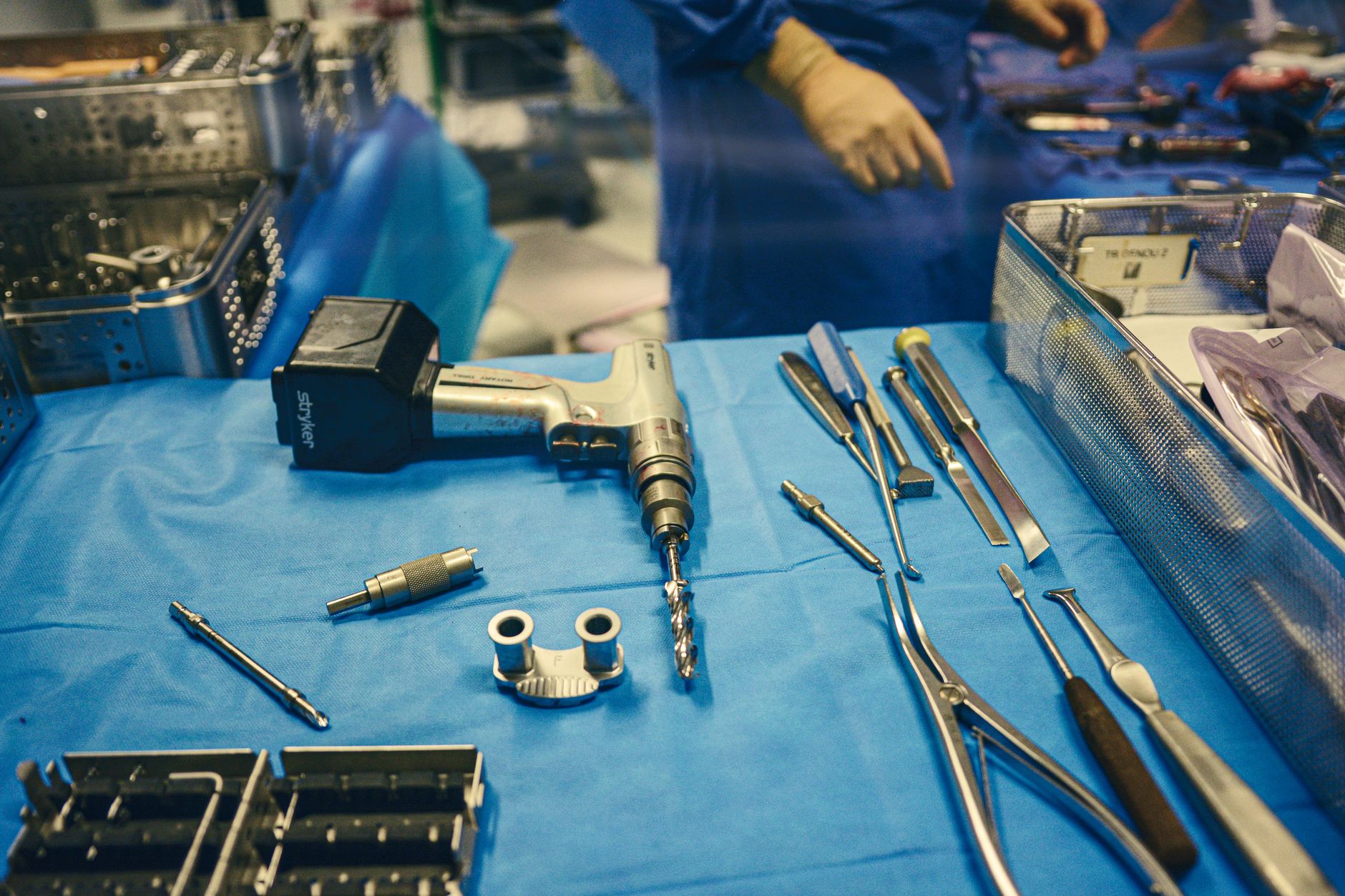
Forget the chatbots and image generators for a second. The most impactful AI breakthroughs often happen out of the spotlight, in operating rooms and rehab clinics, working on problems that affect millions of lives. Icarus Medical just closed a $7.2 million Series A round to accelerate the development of their orthopedic implant and instrumentation platform. This isn’t another Silicon Valley pitch about AGI; it’s about a specific, tangible problem—knee and hip replacements—and applying advanced computational design and AI to make a 20-year-old technology demonstrably better for patients and surgeons.
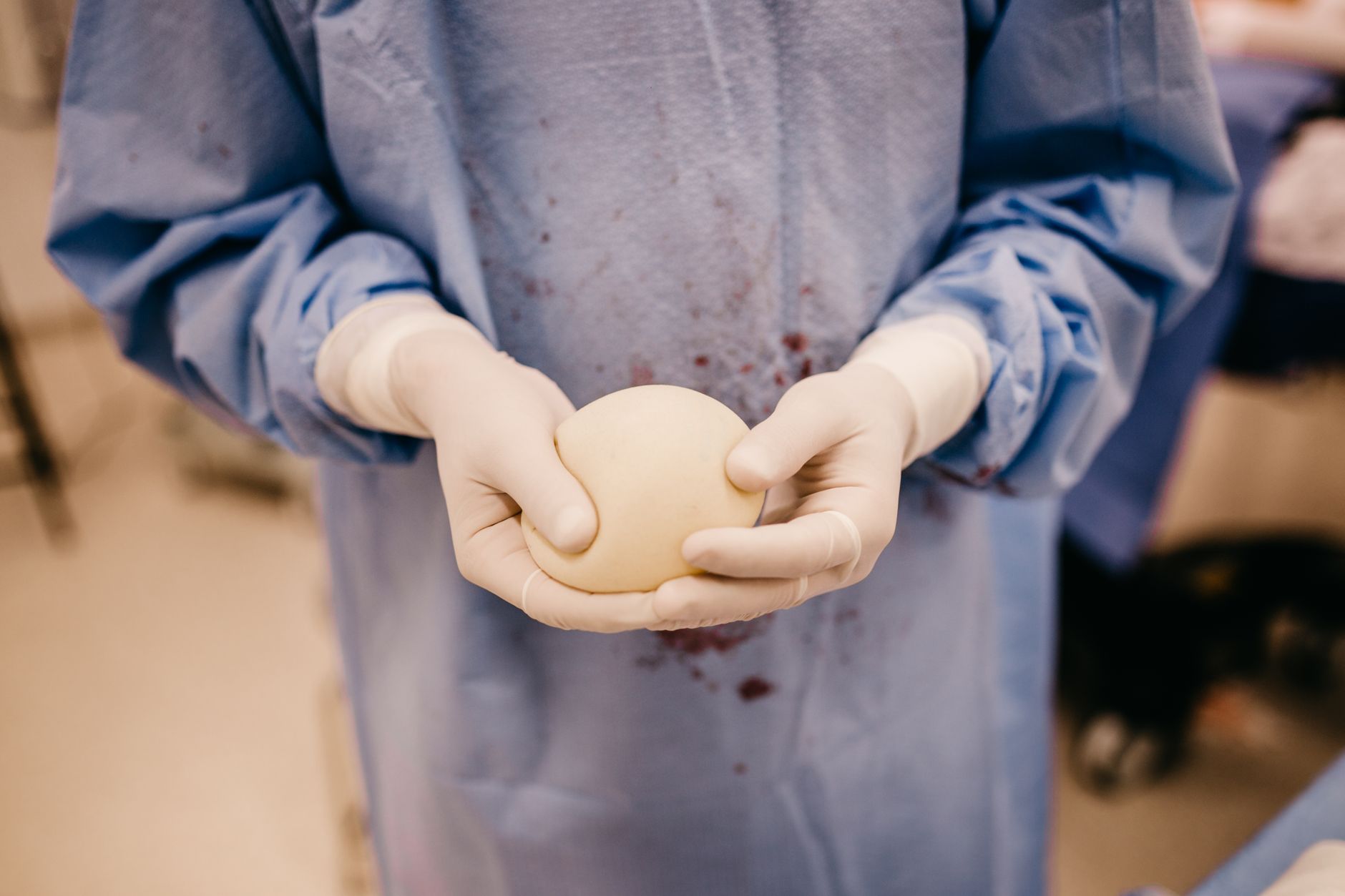
The company’s approach is a perfect example of the “boring” AI future that’s actually here now. They’re not building a general intelligence; they’re building specialized algorithms to analyze patient anatomy from CT scans and design implants that match a person’s unique bone structure far more precisely than the standard “small, medium, large” options surgeons currently use. The goal is a more natural fit, which should mean less pain, faster recovery, and better long-term outcomes. It’s a direct, high-stakes application of machine learning to solve a physical engineering challenge.
The Problem: One-Size-Fits-All in a World of Unique Bodies
The current model for orthopedic implants is, frankly, a legacy compromise. Surgeons select from a catalog of standardized sizes and shapes, then manually adapt the patient’s bone to fit the device. It’s a skill, but it’s also a source of variability and potential suboptimal fit. Think of it like wearing someone else’s shoes. They might be the right length, but the arch support, the width, the toe box—they’re just not made for your foot. That mismatch can lead to persistent discomfort, uneven wear, and the need for revision surgery down the line.
Icarus Medical, co-founded by a Stanford biomechanical engineer and an orthopedic surgeon, is attacking this with a two-pronged strategy. First, they use imaging and AI to create a highly detailed map of a patient’s specific bone geometry. Second, their algorithms design an implant and the corresponding surgical instrumentation to match that geometry. The result is a custom implant without the usual six-to-twelve-week wait time and exorbitant cost of fully custom-made devices. They’re leveraging automation and data to bring a bespoke level of care to a mass-market procedure.
Why This $7.2 Million Matters More Than a Billion-Dollar Valuation
The funding round is significant not just for its size, but for where the money is going and what it represents. This capital will fuel the company’s first FDA clearance and the launch of its initial clinical studies. It’s the critical bridge from promising prototype to regulated, reimbursable medical technology. In medtech, that pathway is a grueling marathon, not a sprint. Securing this Series A is a vote of confidence from investors that the data is strong and the surgical community is ready for this step.
It also highlights a crucial trend in venture capital: a flight toward applied, vertical AI. While generative AI captures headlines, the long-term value and defensibility often lie in deep integration into specialized, high-friction industries like healthcare. You can’t just build a cool algorithm; you need deep domain expertise in biomechanics, surgical workflow, regulatory affairs, and manufacturing. Icarus Medical is a bet that this kind of focused, hard-tech innovation can produce both massive impact and significant returns. The investors aren’t just funding code; they’re funding a new standard of care.
- Patient-Specific Precision: AI-driven design for an anatomic fit, aiming to reduce the common issues of off-the-shelf implants.
- Reduced Complexity: The custom instrumentation guides are designed to simplify the surgical procedure, potentially shortening operating time.
- Scalable Customization: The platform aims to deliver the benefits of custom implants at a cost and speed accessible for widespread use, not just niche cases.
The Unsexy Future Is Coming
We’re likely to see more companies like Icarus Medical—not chasing the next viral chatbot, but using the tools of modern AI and computational power to incrementally solve massive, persistent problems in manufacturing, engineering, and healthcare. It’s a quieter revolution. It won’t trend on social media. But when your grandparent gets a hip replacement in five years and is walking comfortably in a week instead of struggling for months, that will be the real impact of this technology wave.
This $7.2 million isn’t just about a company growing. It’s a data point in a larger story: AI is most powerful when it disappears into the background of a life-saving tool, making something difficult just a little bit better, for one person at a time.
Source: original report