A Dutch Startup Is Making Jet Fuel from Leaves—and Just Landed $20 Million to Prove It
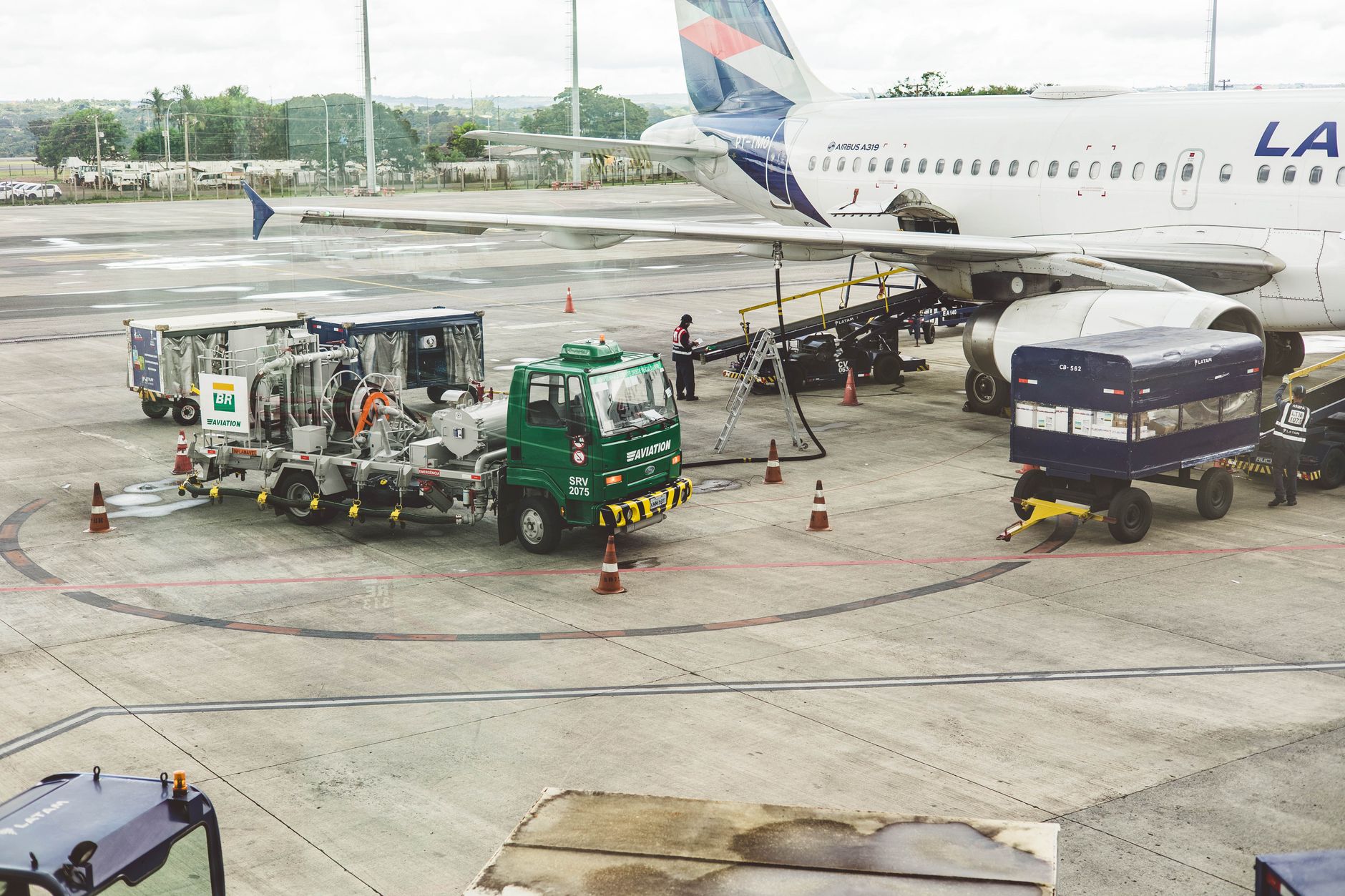
The clean energy conversation has been dominated by solar panels, electric cars, and wind turbines for a solid decade. But there’s a stubborn, hard-to-electrify sector that’s been left out of the party: aviation. You can’t strap a massive battery to a 747. Enter Vertoro, a Dutch startup with a chemistry-first approach, and a fresh $20 million in venture funding to prove its plant-based liquid fuel is the answer for decarbonizing the skies.
This isn’t about biofuels from corn that compete with food crops. Vertoro’s process is different, and more clever. They start with lignocellulosic biomass—think forestry residues, agricultural waste, non-food crops like miscanthus grass. They break this down into a crude oil substitute they call “Gold Oil.” The real magic happens next: this crude is catalytically upgraded into drop-in fuels like Sustainable Aviation Fuel (SAF) or marine diesel. “Drop-in” is the key phrase here. It means the fuel can be used in existing engines and infrastructure without requiring a fleet-wide redesign of airplanes or ships.
The $20 million Series A round, led by Lowercarbon Capital, is a significant vote of confidence. It moves Vertoro from pilot-scale operations toward building its first commercial biorefinery. The timing is critical. The International Air Transport Association (IATA) has committed the aviation industry to net-zero carbon emissions by 2050. The catch? SAF currently makes up less than 1% of global jet fuel consumption. It’s a textbook supply problem. Vertoro aims to be a major new supplier.
Why This Is More Than Just Another Climate Tech Bet
Investors are pouring money into climate tech, but most of it chases familiar paths. This investment stands out because Vertoro isn’t relying on unproven policy mandates or hoping for a consumer revolution. Their value proposition is built on two solid pillars: solving a genuine industrial headache and leveraging existing infrastructure.
First, the supply chain. Airlines and shipping companies face growing regulatory pressure and corporate sustainability demands. They need SAF, but the current supply is tiny and expensive. Vertoro’s feedstocks are abundant and low-cost. They’re using waste streams that would otherwise decompose and release methane—a potent greenhouse gas. It’s a double win.
Second, the drop-in nature. The multi-trillion dollar aviation and maritime industries have massive sunk costs in their current fleets. Telling Delta or Maersk to scrap their Boeing 787s or container ships for unproven hydrogen or battery alternatives is a non-starter in the near term. Vertoro offers a pragmatic bridge. Their fuel works in today’s engines, can be blended with conventional fuel, and moves through the existing fuel distribution network. It’s a solution designed for the real world, not just a lab.
The Path from Chemistry to Commercial Scale
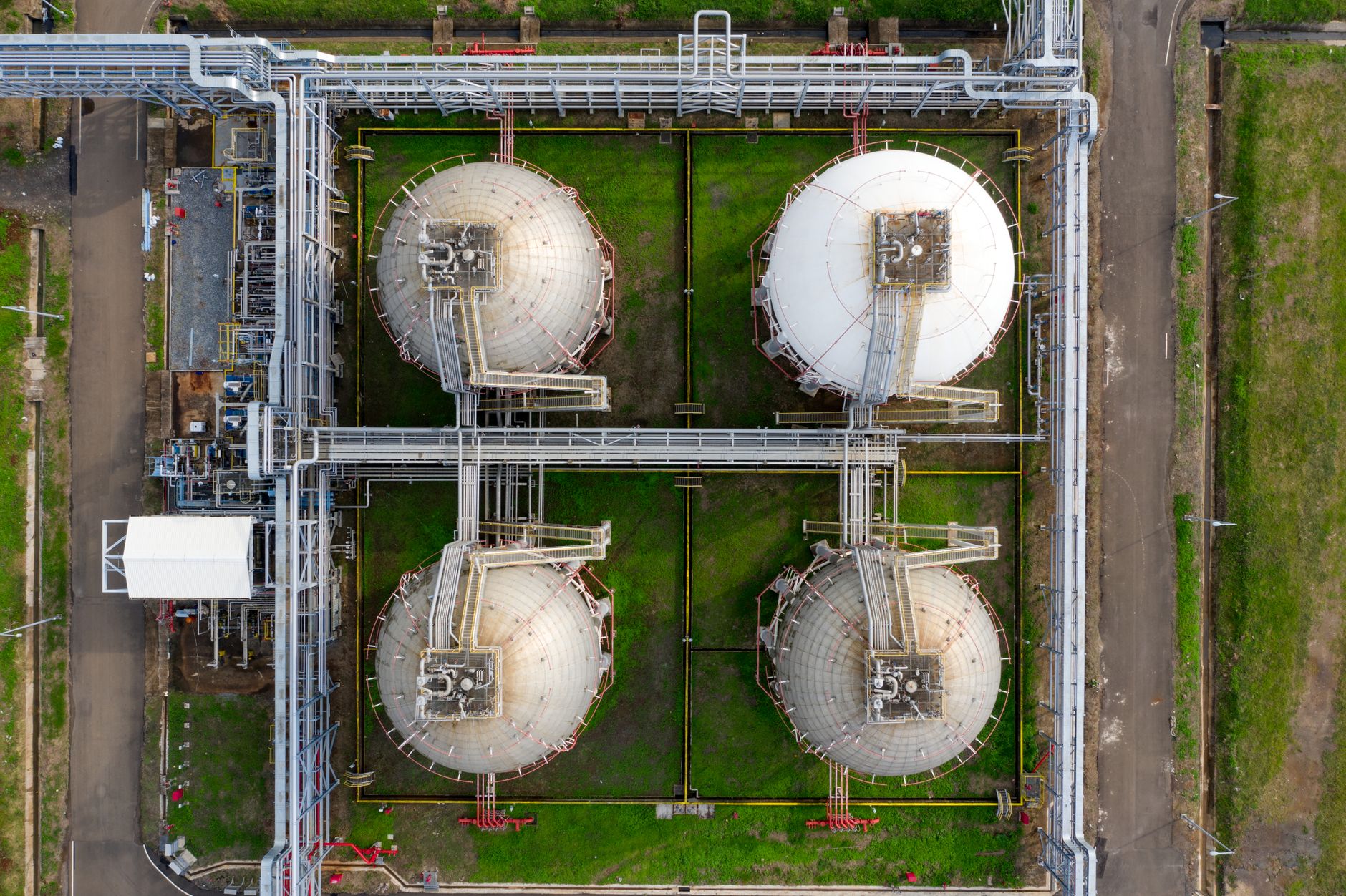
Having a clever lab process is one thing; building a refinery and competing on cost is another. The new funding will be used to design and construct a first commercial-scale plant in the Netherlands, with a capacity to produce tens of thousands of tons of fuel per year. This scale-up is the ultimate test.
The company will need to demonstrate consistent, high-yield production while keeping operational costs in check. Competition is fierce. Other startups like LanzaJet and numerous established energy companies are also racing to scale SAF production using different methods. Vertoro’s edge, they claim, is the efficiency of their catalytic process and the flexibility to produce multiple fuel types from the same feedstock.
Success here could unlock a new, circular model for fuel production. Imagine forestry operations in Scandinavia or agricultural cooperatives in the American Midwest selling their waste biomass to regional Vertoro plants, which then produce SAF for nearby airports. It decentralizes fuel production and creates new revenue streams for rural economies.
The Bottom Line: Pragmatism Over Purism
The clean energy transition needs grand visions, but it also needs pragmatic, scalable solutions that work within existing systems. Vertoro’s plant-based fuel isn’t a silver bullet that will make all fossil fuels disappear overnight. But it represents a critical and realistic pathway for tackling one of the most difficult emissions puzzles.
This $20 million isn’t just funding a startup. It’s betting on a philosophy: that the fastest way to decarbonize a massive, complex industry might not be to tear it down, but to cleverly re-engineer the fuel it runs on, using waste as its primary ingredient. If Vertoro can make the chemistry work at scale and at a competitive price, it won’t just be a win for Dutch innovation—it could provide a vital, breathable lifeline for the future of flight.
Source: original report