The UK Just Dropped a Social Media Bomb on Under-16s. Is It a Shield or a Censor?
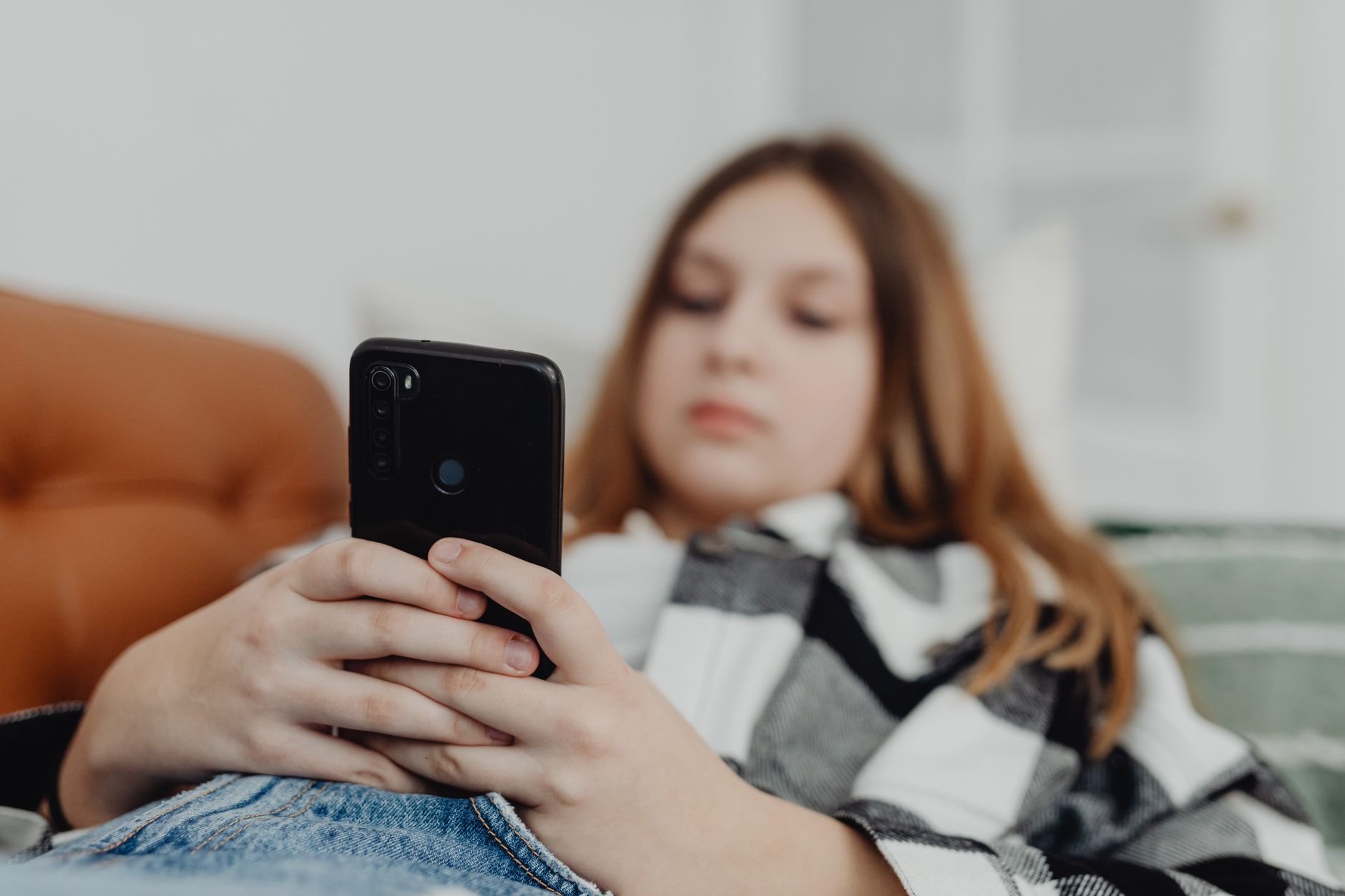
The UK government just put down a hard line: no social media for anyone under 16. Not a guideline, not a suggestion, but a proposed outright ban. We’re talking the usual suspects—Instagram, TikTok, Snapchat, YouTube, Facebook, and even X. This isn’t a minor regulatory tweak; it’s a seismic proposal that attempts to draw a definitive line in the sand for childhood in the digital age. It forces a brutal, necessary question: Is protecting kids from the platform’s worst impulses worth the price of a blanket prohibition?

On the surface, the argument is painfully obvious. We’ve spent a decade watching evidence pile up. The correlation between relentless social media use and teen anxiety, depression, and body image issues isn’t a fringe theory anymore. It’s a documented public health concern. Platforms engineered for maximum engagement with variable reward schedules—endless scrolling, unpredictable likes, curated perfection—are simply not built for developing brains. Proponents of the ban see it as a straightforward public health measure, akin to age restrictions on tobacco or alcohol. Why should the digital drug that demonstrably harms mental health be any different?
The Enforcement Nightmare
Here’s where the elegant theory smashes into the messy reality of tech. How, exactly, do you enforce this? Are platforms going to implement rigorous, universal age verification? That’s a privacy minefield. Requiring a scan of a driver’s license or passport to open a TikTok account would be a massive, centralized database of identity documents—a dream target for hackers and a dystopian nightmare for civil liberties advocates. Do we trust the same companies that have failed to self-regulate to suddenly become flawless gatekeepers?
More likely, we’ll see a repeat of what we already have: a patchwork of ineffective measures. We’ll get more “Are you over 13?” checkboxes and crude age estimators, tools that determined 35-year-old journalists have successfully bypassed in minutes. Kids, resourceful by nature, will simply lie. Or they’ll use a parent’s phone, or a sibling’s account. The ban doesn’t eliminate access; it just pushes it into the shadows and makes it a forbidden fruit, potentially increasing its allure.
The Unintended Consequences
A sweeping ban also ignores the nuanced way teens use these platforms. For many, they aren’t just tools for mindless scrolling. They are lifelines. For LGBTQ+ youth in unsupportive communities, for neurodivergent teens seeking peer connection, for kids in rural isolation, a private Instagram group or a Discord server can be the only place they feel understood. A ban doesn’t distinguish between the toxic influencer culture and the supportive fan community for a niche hobby. It’s a blunt instrument that could sever vital support networks.
Furthermore, it risks creating a significant developmental gap. We cannot raise the first generation of digital natives by simply pretending the digital world doesn’t exist. They need to learn how to navigate it—the etiquette, the critical thinking, the self-regulation—under guidance, not in secret. Exile doesn’t teach resilience; it teaches evasion.
A Shift in Responsibility?
The UK’s move is as much a political statement as it is a practical policy. It’s a public acknowledgment that the era of “self-regulation” by big tech is over. The government is stepping in as the parent, frustrated with the playground monitor who won’t do their job. This could be a watershed moment that forces every platform to fundamentally redesign features for minors, not just add a thin veneer of safety settings.
But the real test is what comes next. Will this be a catalyst for developing robust, privacy-preserving age assurance tech? Or will it simply drive a wedge, creating an adult internet and a black-market “kid’s net” run by bad actors? The intention might be protective, but the outcome could be a generation less prepared, not more, for the world they actually inhabit. We’re about to run a massive, high-stakes social experiment on our children, and no one is entirely sure what the control group is anymore.
Source: Aisha Malik