Charles Schwab Field’s Tech Overhaul: More Than Just a Bigger Screen for the College World Series
When the first pitch is thrown at the College World Series this week, the roar from the crowd at Charles Schwab Field in Omaha won’t just be for the players. It’ll be for the spectacle. A massive new videoboard, part of a $27 million technology and amenity upgrade, is now the centerpiece of the stadium. But reducing this to a simple “bigger screen” story misses the real play. This is about how venues are desperately chasing the at-home experience, and the high-wire act of trying to enhance a live event without suffocating its soul.
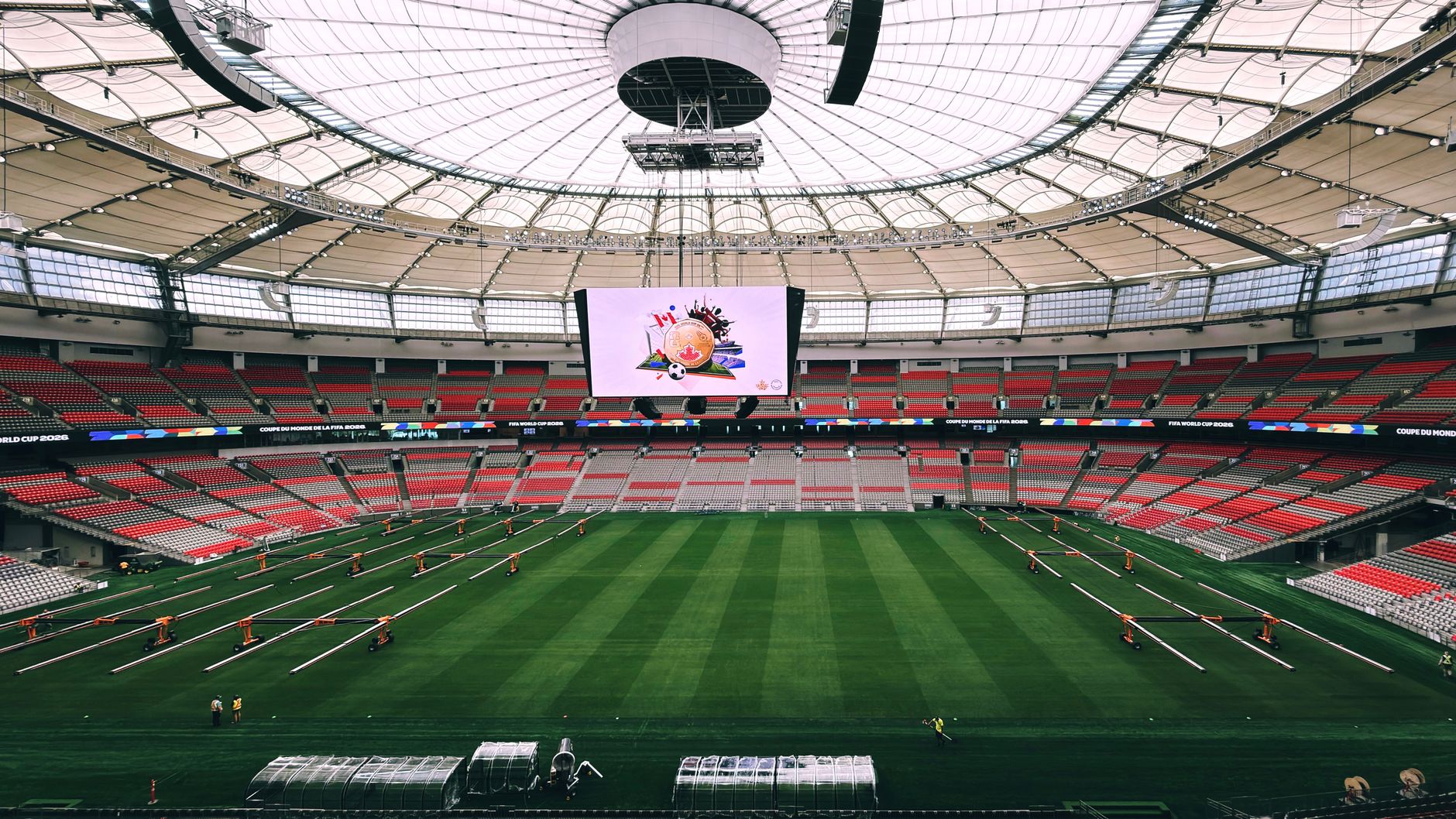
Let’s be direct: the centerpiece is a monster. The new 360-degree, 72-foot-tall videoboard is essentially a wraparound tower of LED, promising 8K HDR clarity. It’s designed to make sure no seat is a bad seat for stats, replays, or the inevitable promotional content. This isn’t unique to Omaha. We see this arms race in every major sports league. The Las Vegas Sphere is the extreme example, but look at the renovations for SoFi Stadium or the continued investments at Madison Square Garden. The physical venue must now compete with the 65-inch 4K television in your living room, complete with instant replay angles and multi-view options.
The “And” List of Stadium Tech
The videoboard gets the headline, but the real upgrade is in the invisible infrastructure. Schwab Field’s overhaul includes a new distributed antenna system (DAS) to boost cellular connectivity, a must in an era where the first thing 50,000 fans do is post a selfie. They’ve added more concession point-of-sale systems and upgraded Wi-Fi. These aren’t sexy, but they’re critical. Nothing kills the vibe of a shared moment faster than a failed credit card transaction or the inability to load the team app to check the pitcher’s ERA.
They’ve also enhanced their “fan experience” technology, which likely means more interactive screens, perhaps some form of augmented reality integration in the concourses, and deeper integration with the venue’s app for things like mobile ordering and seat upgrades. It’s a comprehensive checklist for the modern venue:
- Visual Spectacle: The new board for shared, communal awe.
- Connectivity: Ensuring personal, digital connection isn’t lost.
- Convenience Frictionlessness: Making spending money and navigating the park faster.
Each element addresses a specific pain point of the modern fan, who is simultaneously there for the communal experience and tethered to a personal digital ecosystem.
The Balancing Act: Technology vs. Atmosphere
Here’s the tension, though. College baseball, and the CWS in particular, thrives on a certain kind of pure, unvarnished atmosphere. It’s about the crack of the bat, the Organist, and the organic roar that builds. There’s a fear among purists that overloading the stadium with tech—constant cutaways, distracting animations, aggressive push notifications—can dilute that focus. It’s a line every venue must walk.
The best implementations are those that are felt but not always seen. A crystal-clear board that shows a perfect slow-mo of a defensive gem enhances the moment. A constant barrage of sponsored animations between every pitch interrupts it. The successful venue uses technology to amplify the core event, not to become the event itself. Omaha’s history suggests they understand this balance; their focus has always been on the fan and the game. This upgrade feels like an effort to maintain that ethos while modernizing the tools.
The other reality is financial. These upgrades aren’t just for the fans; they’re for the bottom line. Higher-resolution boards mean higher-priced advertising slots. Better connectivity enables more in-app purchases and data collection. A smoother concourse flow can increase concession revenue. It’s a symbiotic relationship: improved experience justifies increased investment, which in turn fuels further profit.
The New Baseline for a National Stage
Ultimately, this puts pressure on other venues. The College World Series isn’t just a tournament; it’s a broadcast spectacle. With this upgrade, Charles Schwab Field isn’t just hosting a great event; it’s ensuring its broadcast image is as sharp and professional as any major league park. It sets a new visual and experiential standard for the event.
For fans heading to Omaha, the promise is a smoother, more visually stunning experience. For the rest of us watching from home, it means the backdrop to the drama will be even more impressive. The real test will be if the technology fades into the background, allowing the baseball to shine brighter. If done right, you won’t even think about the tech. You’ll just feel like you’re at the best possible version of the game. And that, not the number of pixels on a screen, is the ultimate measure of success.
Source: original report