Alta Ares and the €50M Bet on the Next Missile Defense Frontier
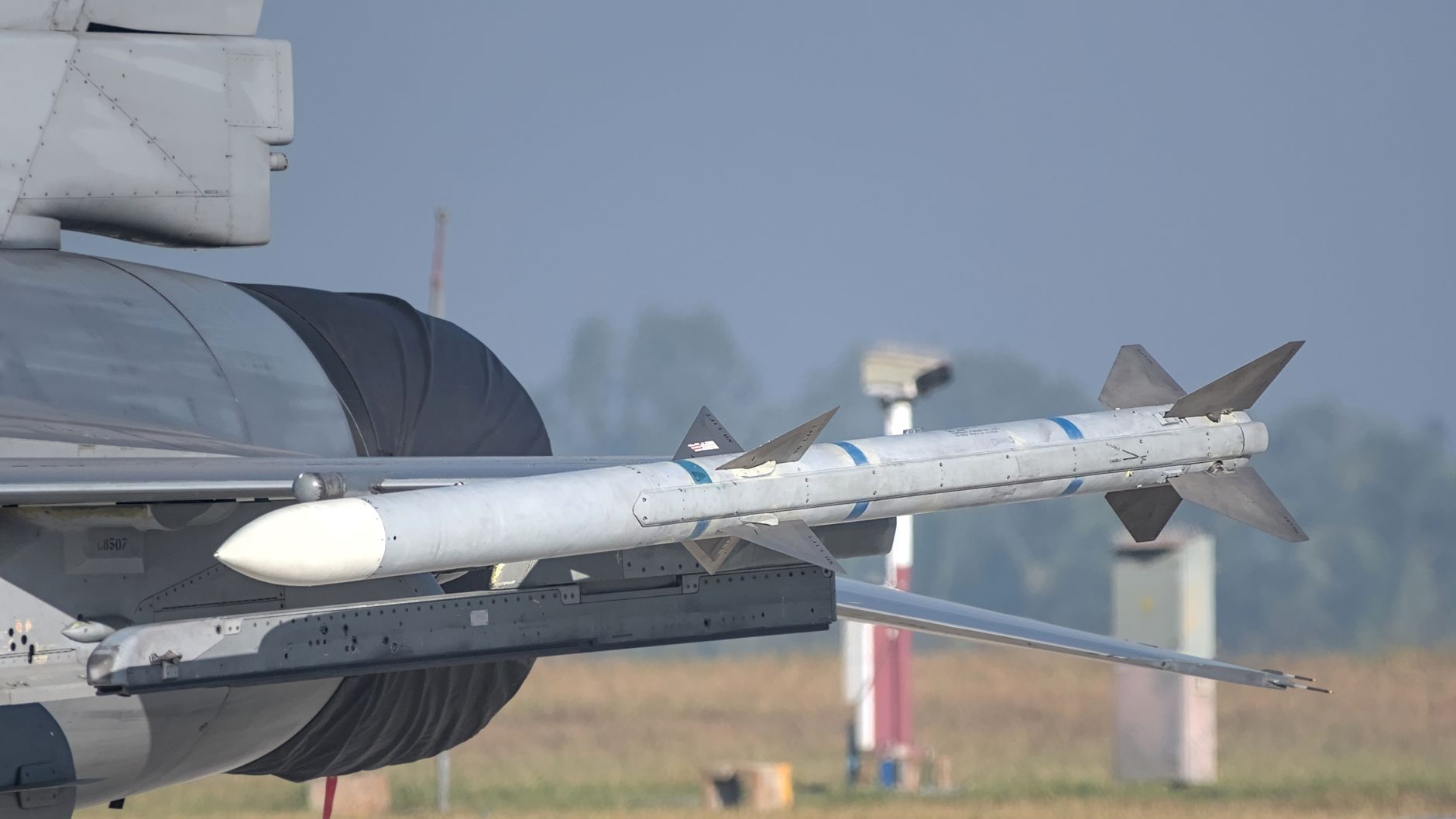
€50 million is a lot of money. For a defense startup building interceptor missiles, it’s a serious vote of confidence—and a signal that the old way of handling the drone and missile threat is falling apart. Alta Ares, the French company emerging from stealth with this Series A, isn’t just another defense contractor. It’s betting that the future of air defense isn’t about building bigger, more expensive missiles to shoot down other expensive missiles. It’s about a smarter, layered, and more affordable approach.

The timing is everything. We’re watching the battlefield evolve in real-time. Cheap, mass-produced drones and precision-guided missiles are flooding modern conflicts, overwhelming traditional air defense systems like the Patriot or the SAMP/T. These systems are magnificent pieces of engineering, but they’re like using a gold-plated sledgehammer to swat a fly. The economics simply don’t work. A $3 million missile to take down a $20,000 drone is a losing proposition for any army on the planet.
The Problem with Today’s Missile Defense
The current paradigm is built for a Cold War that’s over. Systems are optimized to counter high-value targets: intercontinental ballistic missiles, sophisticated fighter jets, high-altitude bombers. They weren’t designed for the swarm. They weren’t designed for the saturation attack, where a dozen cheap rockets are launched to force an adversary to spend a hundred million dollars in response.
This cost-exchange ratio is the defining crisis for defense ministries worldwide. Ukraine has been a brutal, real-time classroom on this. Soldiers have been improvising solutions, sometimes using modified anti-aircraft guns or even MANPADS to down Shahed drones. The need for a dedicated, cost-effective interceptor—a “counter-UAS” or counter-drone missile—isn’t theoretical anymore. It’s a bloody necessity.
What Alta Ares is Actually Building
Details on the specific tech are still emerging, but the core philosophy is clear from the company’s pedigree and the problem space. Alta Ares comes from the founders of CAILabs, a French tech firm known for advanced optics and beam shaping. You can draw a straight line from manipulating light to designing the advanced seeker heads and guidance systems needed for a precision interceptor.
Their interceptor likely focuses on three things: affordability, scalability, and software-defined targeting. Instead of a monolithic missile, think of a more modular system. The goal is an interceptor that costs a fraction of a traditional surface-to-air missile but can be produced in the thousands. It needs to be smart enough to distinguish between a flock of birds, a commercial quadcopter, and a weaponized drone carrying a payload.
This isn’t about building a new Patriot. It’s about building the necessary layer below it. Imagine a system that uses cheap interceptors to handle the bulk of the drone swarm, preserving the expensive, long-range missiles for the truly critical threats. That’s the layered defense model every military is scrambling to implement.
Why €50M Signals a Tectonic Shift
The investment itself, from defense-focused venture capital, is telling. It means sophisticated investors believe the European defense ecosystem, and NATO at large, will pay a premium for innovative, agile solutions from non-traditional primes. Companies like Airbus, Raytheon, and Lockheed Martin move slowly. Their development cycles are decades long and tied to massive government contracts. A startup like Alta Ares can move at the speed of software.
The Series A fuel will go toward scaling R&D and, crucially, building manufacturing capacity. In defense, the prototype is the easy part. The hard part is proving you can build tens of thousands of units that work every time, on a timeline that matters. This funding buys them the chance to try.
The broader trend is clear: the democratization of destructive technology demands a democratic response. Drones are cheap and proliferating. The countermeasure must also be cheap and proliferating. We’re seeing it with electronic warfare, with directed energy, and now with kinetic interceptors. Alta Ares is placing a significant bet that kinetic solutions will still be a vital part of the mix.
The battlefield of the future won’t be decided by who has the most expensive missile. It will be decided by who can solve the cost curve. With €50 million and a clear-eyed view of the problem, Alta Ares is lining up its shot.
Source: original report