India’s Rapido Just Became a $3B Unicorn. Here’s Why That Matters Beyond the Valuation.

Forget the familiar playbook. The latest Indian startup to hit a $3 billion valuation isn’t another e-commerce giant or a fintech trying to be a bank. It’s Rapido, the bike-taxi service that started by letting college students zip across Bangalore. Their recent $240 million fundraise isn’t just a big number; it’s a signal that the future of urban mobility in emerging markets is being rewritten on two wheels, not four.
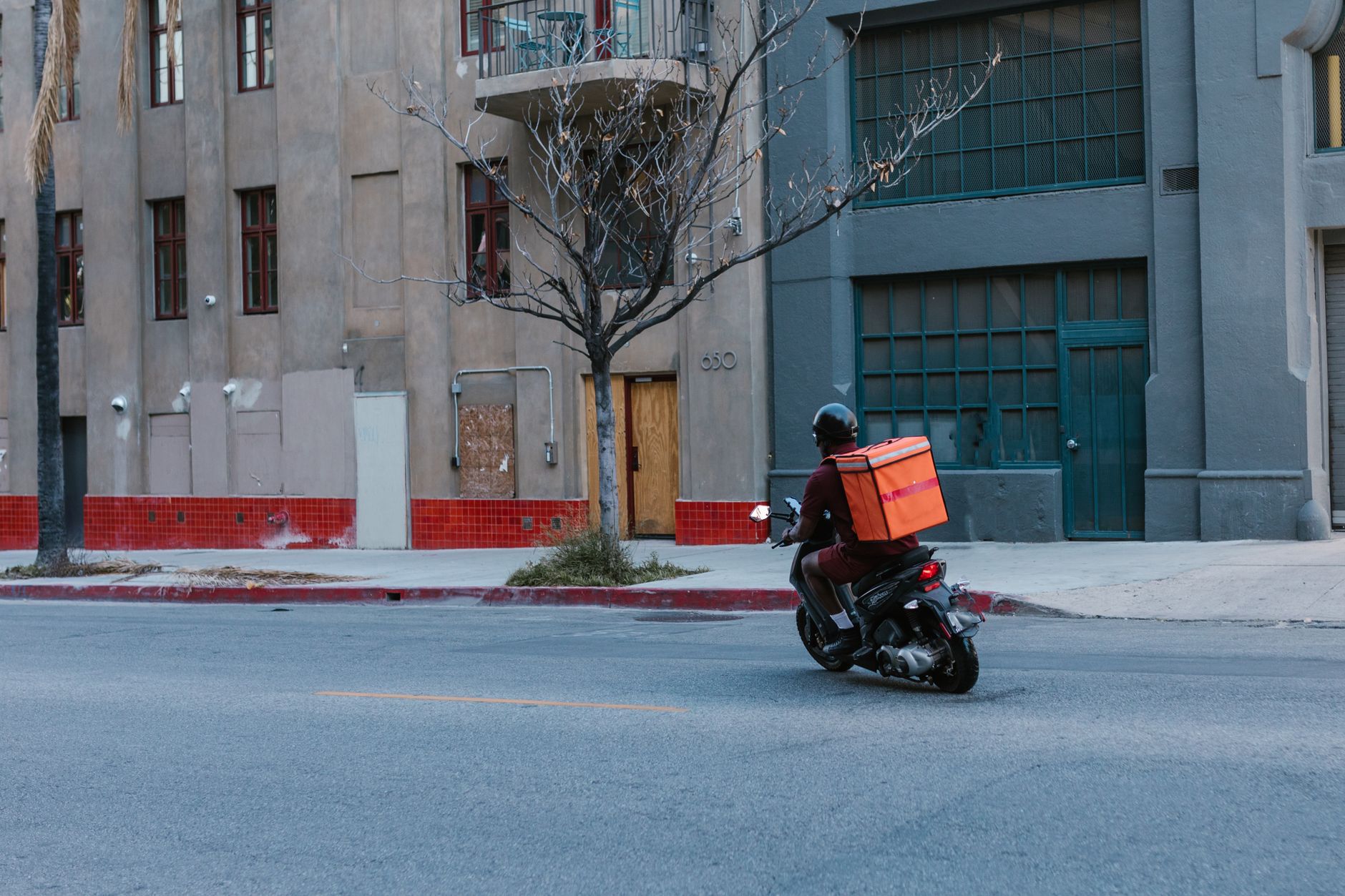
While global headlines fixate on electric vehicle giants and autonomous robo-taxis, Rapido has executed a masterclass in hyper-local, asset-light logistics. They’ve proven that sometimes the most powerful technology isn’t the most complex, but the most adaptable. The real story isn’t the valuation—it’s the operational model that made it possible.
The Bike-Taxi Pivot: From Ride-Hailing to Last-Mile Logistics
Most people outside of India still think of Rapido as just a bike-taxi app. That was the entry point, the Trojan horse. The core of their $3 billion thesis lies in a far more expansive vision: becoming the logistics backbone for the country’s chaotic, fragmented last-mile delivery ecosystem.
Think about the challenge. Indian cities are a labyrinth of narrow lanes, epic traffic jams, and delivery addresses that are often just guesses. A car-based service is slow, expensive, and ill-suited for this environment. A motorcycle is a surgical tool. Rapido saw this gap and built a network of over 5 million riders—a network that doesn’t just move people, but moves everything from a single meal to a critical pharmaceutical package.
- Efficiency at Scale: A bike can navigate a traffic jam that would paralyze a car for twenty minutes. For a delivery platform, that time difference is the entire margin.
- Lower Cost, Higher Earnings: The operational cost for a bike rider is a fraction of a car driver. This allows Rapido to offer competitive prices to consumers while reportedly offering higher take-home pay to its rider-partners, creating a more sustainable two-sided marketplace.
- Data Density: Every single trip—whether it’s a passenger or a parcel—feeds Rapido’s algorithm with granular, real-time data on urban flow, congestion patterns, and demand hotspots. This data goldmine is used to optimize routing, predict demand, and ultimately, make the entire network smarter and more efficient.
Why This Valuation Makes Sense in a Skeptical Market
At a time when global tech funding is frosty, a $240 million raise for a $3 billion company is a bold bet. But look closer at the investors: Prosus Ventures (the venture arm of Naspers) and others. These aren’t tourists. They are placing a calculated wager on a specific thesis: that in high-density, emerging economies, the future of logistics is two-wheeled, aggregated, and digitally managed.
Rapido’s growth validates this. They’ve moved from being a competitor to Uber Moto and Ola Bike to becoming a direct threat to their core delivery businesses. The platform now handles a massive volume of deliveries for major e-commerce players and local stores. It’s not just about beating the other bike; it’s about replacing a patchwork of independent, inefficient local delivery contractors with a reliable, tech-driven fleet.
The company’s approach to its rider-partners is also a key differentiator. In a landscape often criticized for the gig worker model, Rapido has marketed itself as the “partner” app, emphasizing better earnings and a more flexible model. Whether this holds up under intense scale is a critical question, but the perception has helped them build a loyal and massive supply of riders faster than competitors.
The Road Ahead: Beyond the Ride
The next phase for Rapido will be about deepening its logistics moat. We can expect to see them move aggressively into more specialized delivery verticals: groceries, pharmaceuticals, and perhaps even business-to-business logistics between local shops. Their challenge will be to maintain quality and reliability as they manage millions of parallel missions across a dozen cities.
The bigger picture, however, is the exportable nature of their model. As megacities from Lagos to Jakarta grapple with the same challenges of congestion and inefficient delivery, a playbook built on motorcycles, smart routing, and a massive partner network becomes incredibly valuable. Rapido’s success suggests that the most impactful technology platforms of the next decade might not be the ones that build the fanciest robots, but the ones that best orchestrate the human-powered infrastructure already moving through our streets.
The $3 billion number will grab the headlines. But the real valuation is in the network they’ve built—a living, breathing map of mobility and commerce, powered by two wheels and a smart algorithm. That’s a far more interesting asset.
Source: original report