AgiBot’s Real Play Isn’t Just Building Humanoid Robots — It’s Manufacturing Them
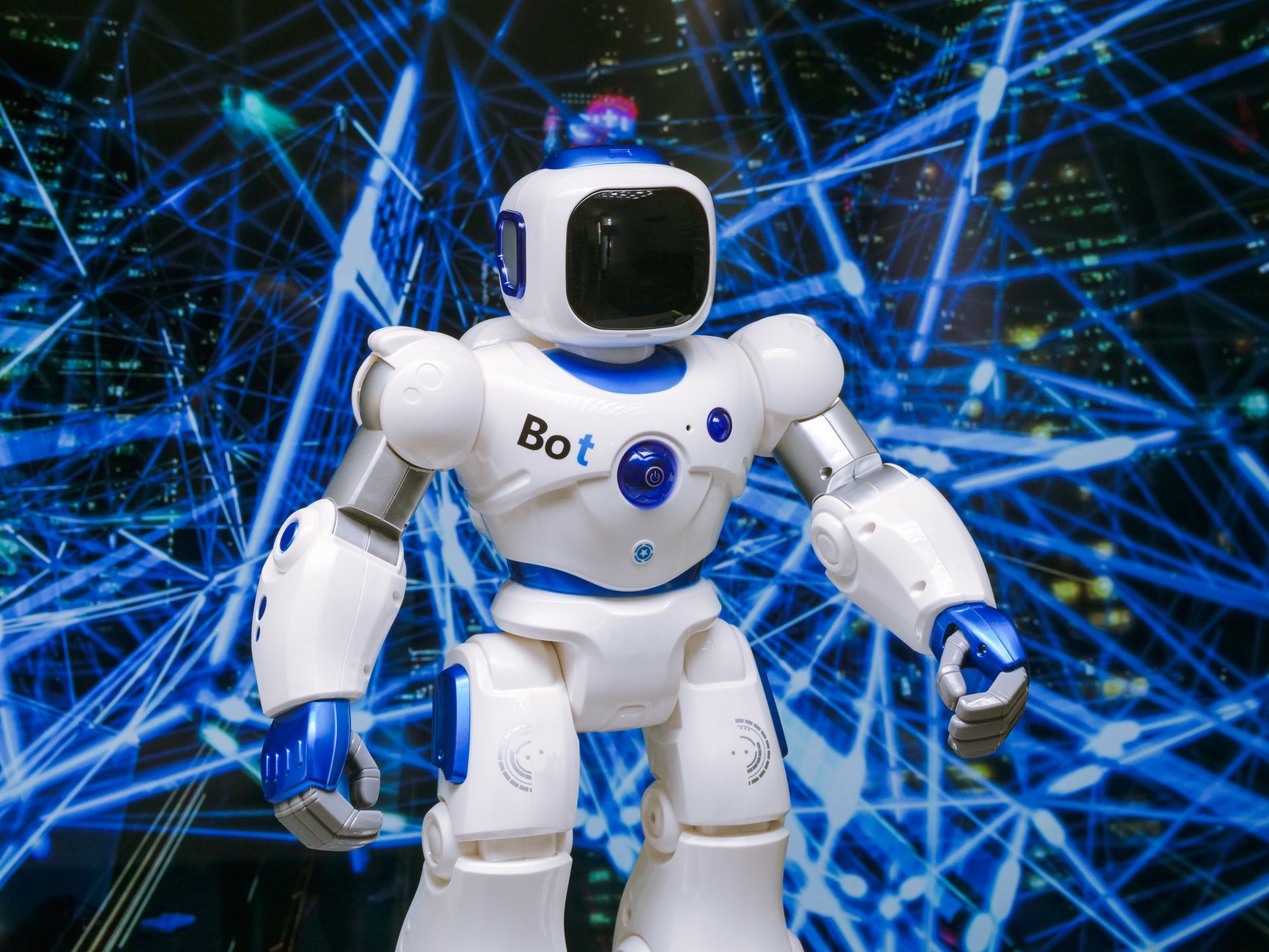
The conversation around humanoid robots has been stuck in a loop of impressive demos and “future is coming” promises for years. We’ve seen the flashy backflips from Boston Dynamics and the eerily smooth hand movements from other labs. But what good is a single, perfect robot if you can’t build more than one? That’s the wall AgiBot, a Shenzhen-based startup, is trying to smash through. Their goal isn’t just to create a humanoid that works; it’s to create a humanoid that can be manufactured at scale, turning what’s been a bespoke engineering marvel into a genuine volume business.
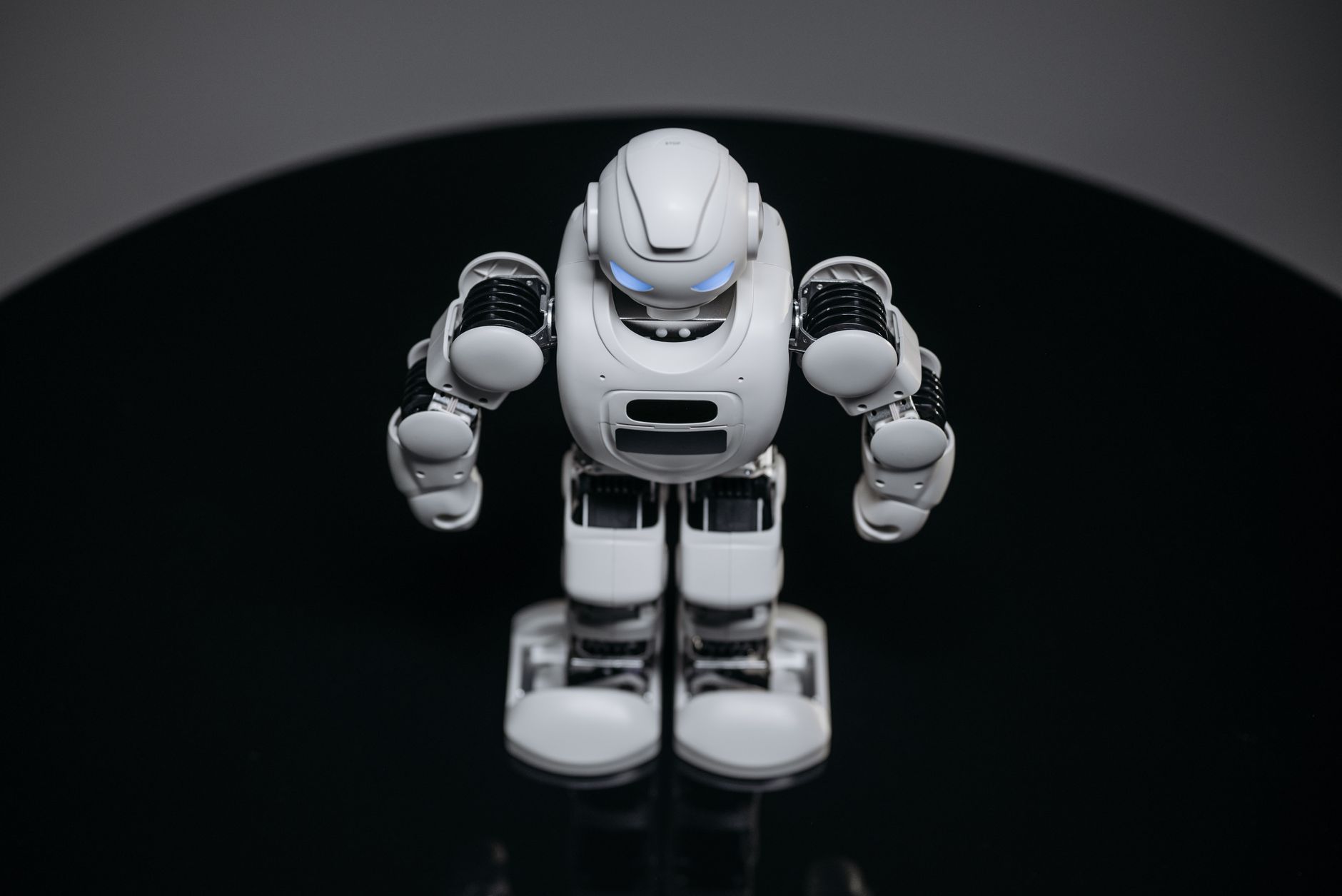
Forget the sci-fi fantasy for a moment. The immediate, practical market for a general-purpose humanoid isn’t in our homes—it’s in warehouses, factories, and logistics hubs. AgiBot knows this. Their focus is on creating a standardized platform that can be adapted for various industrial tasks, from sorting packages to assisting in assembly lines. The real innovation here isn’t a single technological breakthrough, but a commitment to the unsexy, capital-intensive work of building a production line. They’re reportedly already scaling toward production in the thousands, a number that would have been unthinkable for this class of robot just two years ago.
The Assembly Line Problem: From Lab to Factory Floor
Building one advanced robot in a controlled environment is a different discipline entirely than building thousands. The latter requires a complete re-engineering of the design for manufacturability. It means simplifying complex joints, sourcing cost-effective sensors and actuators that meet performance specs, and developing a supply chain that doesn’t rely on exotic, single-source components. AgiBot’s approach suggests they’re borrowing heavily from the playbook of consumer electronics manufacturing—prioritizing design-for-assembly, modular components, and rigorous quality control that can be replicated across units.
This shift in focus is crucial. For every humanoid robot that performs a flawless demo, there are dozens of prototypes that break down, require constant calibration, or cost more to build than a small car. AgiBot is targeting that cost and reliability problem head-on. If they can successfully bring the price point down and achieve consistent uptime in demanding industrial settings, they unlock a massive market. Warehouses are desperate for flexible automation that can handle varied tasks without the fixed infrastructure of traditional robotic arms.
What This Really Means for the Robotics Industry
AgiBot’s manufacturing push is a reality check for the entire sector. It signals that the most valuable companies in the next wave of automation won’t necessarily be those with the most advanced AI or the most human-like gait. Instead, they’ll be the ones who master the supply chain, optimize for cost, and can deliver reliable hardware at scale. It’s a less glamorous race, but it’s the one that will determine which lab experiments become actual products on a factory floor.
The competition is fierce and coming from unexpected angles. Established industrial robotics giants are watching closely, as are automotive companies with deep manufacturing expertise. AggiBot’s bet is that by focusing now on the production problem, they can create a defensible position before the market truly explodes. They’re not just selling a robot; they’re attempting to sell a new category of capital equipment.
The path ahead is brutal. Scaling production of complex electromechanical systems is notoriously difficult, with margins tight and failure rates high. But if AggiBot succeeds, they won’t just have built a cool robot. They will have laid the foundation for an industry, proving that humanoids can exist outside the lab and become a standard tool in the modern warehouse.
Source: original report