Why This 3D Modeling Startup Just Hit Unicorn Status in the AI Gold Rush
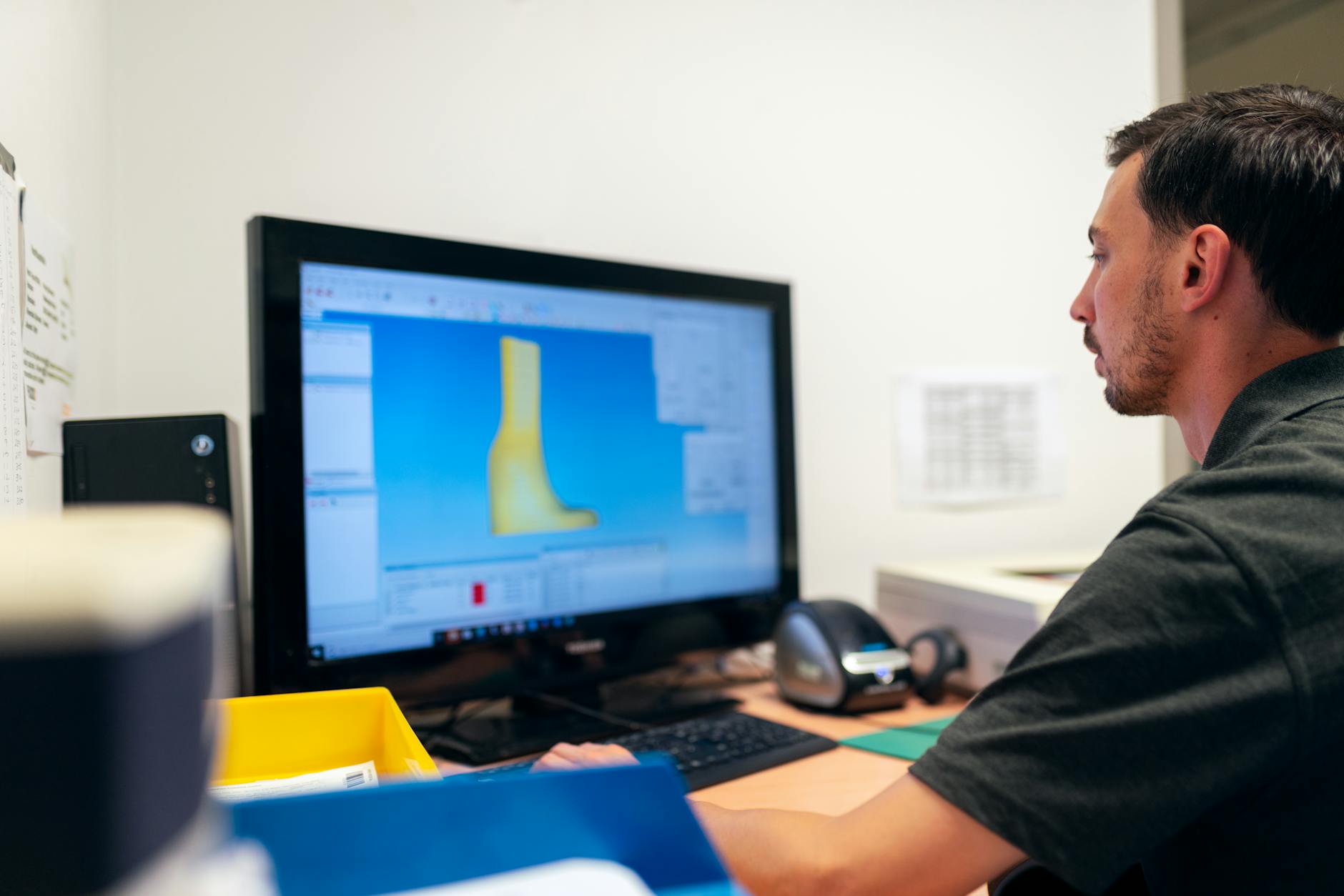
Another day, another AI unicorn. But this one’s different. Founded by a former Forbes Under 30 lister, a 3D modeling startup just crossed the billion-dollar valuation mark, and it tells us more about where the real money is being made in AI than most of the breathless hype cycles we’ve been seeing.

Beyond the Chatbot Bubble: Where AI Actually Meets the Economy
While everyone’s fixated on text generators and image creators, the most valuable AI applications are quietly transforming industrial workflows. This startup didn’t get to a billion dollars by making prettier pictures. They built tools that let engineers, designers, and manufacturers create complex 3D models by describing what they want in plain English. That’s not a toy—it’s a massive productivity unlock for industries where a single design change can cost millions in prototyping.
Think about automotive, aerospace, or even consumer electronics. The traditional 3D modeling process is a bottleneck, requiring specialized CAD operators and weeks of iteration. By letting a mechanical engineer say “create a heat sink with fins angled at 15 degrees and 2mm spacing” and getting a workable model in minutes, you’re not just speeding things up. You’re changing who gets to participate in the design process itself.
The Founder’s Journey: From List to Unicorn
What makes this story particularly interesting is the founder’s path. Being named to a prestigious “30 Under 30” list isn’t just about bragging rights—it provides credibility that translates directly into investor confidence and enterprise sales. When you’re selling to conservative manufacturing firms that take years to adopt new tools, having that kind of validation matters.
But the real test isn’t the valuation. It’s whether these AI-generated models are actually production-ready. Most generative AI outputs still require significant human cleanup. If this startup has cracked that problem—creating models that can go straight to simulation or manufacturing—they’ve solved a problem that’s worth far more than a billion dollars. That’s the difference between a demo and a moat.
What the Valuation Really Tells Us
A billion-dollar valuation in this market isn’t just about technology. It’s about timing and positioning. Investors are pouring money into “AI for X” companies, but they’re getting smarter about what’s defensible. A 3D modeling play has natural advantages:
- High switching costs: Once a design team integrates your tools into their workflow, replacing you is painful and expensive.
- Data network effects: Every model created trains the system, making it better for the next user. More users means a smarter product that attracts more users.
- Vertical specialization: Generic AI is commoditizing fast. Knowing the specific constraints of injection molding or CNC machining creates a knowledge moat.
The startup that owns the design layer in manufacturing might end up being more valuable than many of the foundation model companies getting the headlines right now.
The Bigger Pattern: AI’s Quiet Takeover of Professional Tools
This unicorn status is part of a larger pattern we’re seeing across professional software. Adobe’s integrating AI into every Creative Cloud app. Autodesk is doing the same with its suite. But startups have an advantage here—they can build natively AI-first rather than bolting features onto legacy codebases.
The real disruption isn’t in making existing workflows slightly faster. It’s in collapsing entire phases of the product development cycle. When you can go from concept to manufacturable model in hours instead of weeks, you change market dynamics. Smaller companies can compete with giants. Product iterations multiply. Time-to-market shrinks.
That’s why investors are excited. Not because it’s another AI company, but because it’s an AI company that might actually make manufacturing more agile—and that’s an industry worth trillions.
Source: original report