Why Manual Data Entry Is Quietly Bleeding Your Company Dry: A CFO’s Audit

Picture this: your finance team spends three days each month reconciling invoices, only to discover a 2% error rate that cost the firm $50,000 last quarter. That’s not a hypothetical—it’s the daily reality for countless organizations still relying on manual data entry. For CFOs, the spreadsheet isn’t just a tool; it’s a battlefield where inefficiency and human error wage war on profitability. The true cost of punching numbers by hand extends far beyond salaries, seeping into strategic decisions, scalability, and competitive edge.
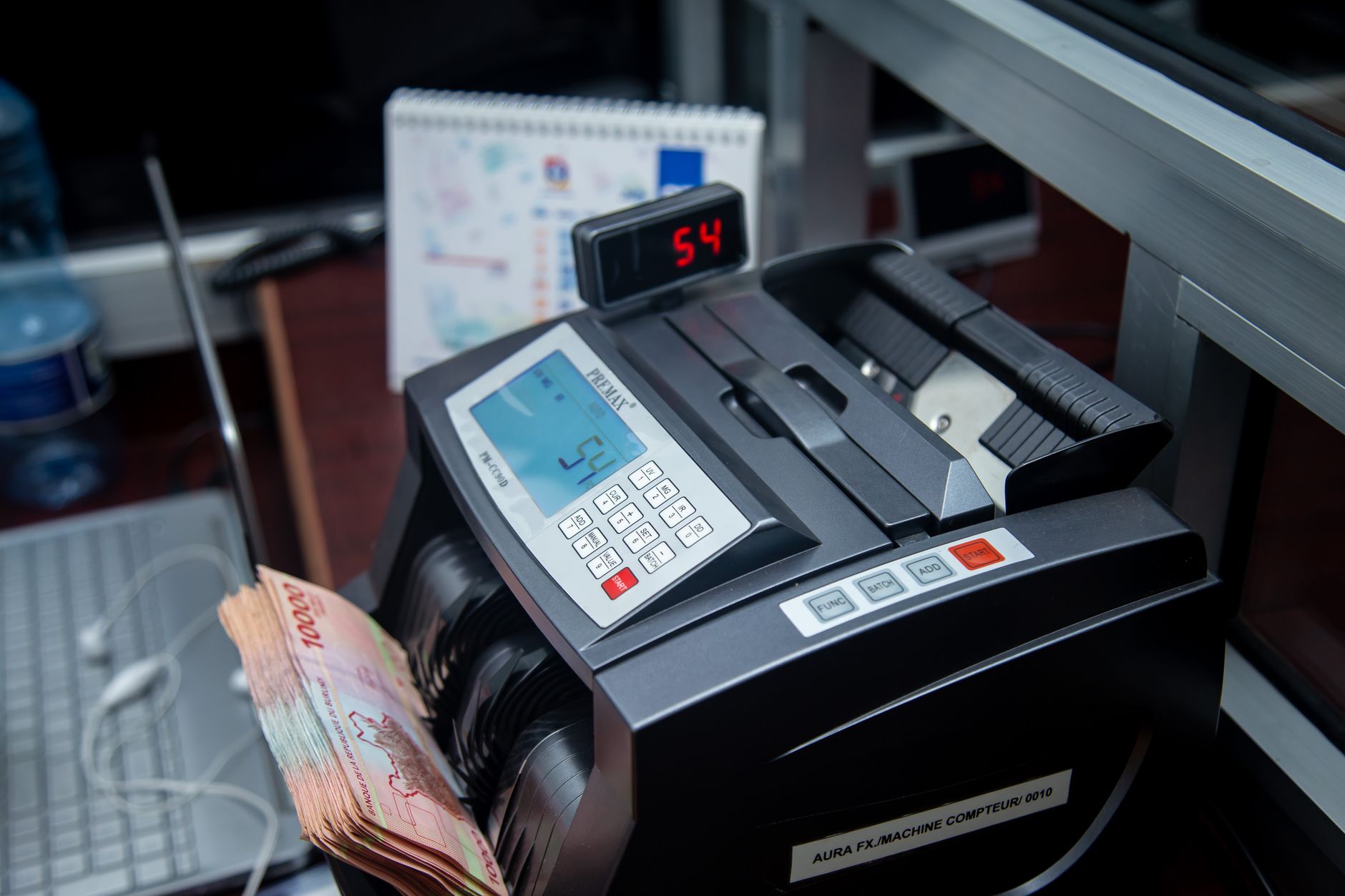
The Ledger’s Dirty Secret: Quantifying the Financial Hemorrhage
At first glance, manual data entry seems cheap—it’s just labor, right? Wrong. A 2025 study by TechProcess Insights found that the average company loses 4.3% of its annual revenue to errors and rework stemming from manual input. For a mid-sized firm with $100 million in revenue, that’s $4.3 million vanishing into thin air each year. These costs manifest in overpayments to vendors, under-billing clients, and audit fees that spike when inconsistencies surface. One CFO I interviewed described it as “death by a thousand papercuts”—each typo, misplaced decimal, or duplicated entry compounds into a fiscal drag that rarely shows up on a single line item.
Time: The Invisible Budget Destroyer
CFOs care about time because time is money, literally. Manual processes devour hours that skilled employees could spend on analysis, forecasting, or innovation. Take Sarah Chen, a controller at a logistics firm: her team manually entered shipment data across three systems, consuming 120 hours per month. That’s equivalent to one full-time employee doing nothing but data entry. When they automated the workflow with an RPA tool, that time shifted to predictive analytics, helping the company cut fuel costs by 15%. The opportunity cost is staggering—while your team types, competitors are strategizing.
The Productivity Paradox
There’s a cruel irony here: as companies grow, data volume explodes, but manual methods don’t scale. A retailer processing 10,000 orders daily can’t sustain a team of data entry clerks; errors multiply, turnover rises, and training costs balloon. This isn’t just an operational headache—it’s a strategic barrier. CFOs are now framing data entry labor not as an expense, but as a drag on return on assets (ROA). Every hour spent keying in figures is an hour not spent optimizing supply chains or personalizing customer experiences.
Error Cascades: From Typo to Catastrophe
Humans make mistakes; it’s in our wiring. But in data entry, a single miskey can trigger a chain reaction. Imagine entering a product price as $5.00 instead of $50.00—suddenly, your margin reports are off, inventory forecasts are skewed, and sales targets get missed. A healthcare provider shared a story where a manual entry error led to a patient’s insurance claim being denied repeatedly, costing $20,000 in administrative appeals and damaging trust. These aren’t minor glitches; they’re operational failures that erode credibility and invite regulatory scrutiny.
- Financial Errors: Duplicate payments, incorrect tax calculations, and misclassified expenses.
- Operational Delays: Lag in order processing, inventory miscounts, and missed shipments.
- Compliance Risks: Inaccurate reporting that violates GDPR or SOX standards, leading to fines.
Automation: Not Just a Tool, But a Financial Strategy
For CFOs, the case for automation isn’t about shiny tech—it’s about fiscal discipline. Solutions like AI-powered OCR (Optical Character Recognition) and RPA (Robotic Process Automation) can process invoices in seconds, with error rates near zero. A manufacturing company deployed such tools and saw its data entry costs drop by 70% within six months, while accuracy climbed to 99.8%. The ROI is clear: automation transforms a variable cost (labor hours) into a fixed, predictable expense, freeing capital for R&D or market expansion.
But it’s not plug-and-play. Successful automation requires upfront investment in software, integration, and change management. CFOs must weigh the cost of implementation against the bleed of status quo. One pragmatic approach is to start with high-volume, low-complexity tasks—like invoice processing—then scale to more complex workflows. The key is to treat automation as a strategic asset, not an IT project.
The CFO’s New Role: Architect of Efficiency
In 2026, the CFO is no longer just a numbers guardian; they’re an efficiency architect. This means collaborating with CIOs to audit data flows, quantify manual processes, and build business cases for automation. It also involves upskilling teams—when data entry roles evolve into data analytics positions, employee engagement rises, and innovation follows. Companies that cling to manual methods will find themselves outpaced, not just in cost savings, but in agility and insight.
The verdict is in: manual data entry is a silent profit killer with compounding effects. By addressing it head-on, CFOs can turn a operational weakness into a strategic strength, ensuring their organizations don’t just survive, but thrive in an automated world.